AI & Machine Learning
Projects focused on artificial intelligence, machine learning, and data science applications.
14 projects
Local-first quantitative research platform for systematic trading, alpha modeling, backtesting, portfolio research, and ML-driven strategy development
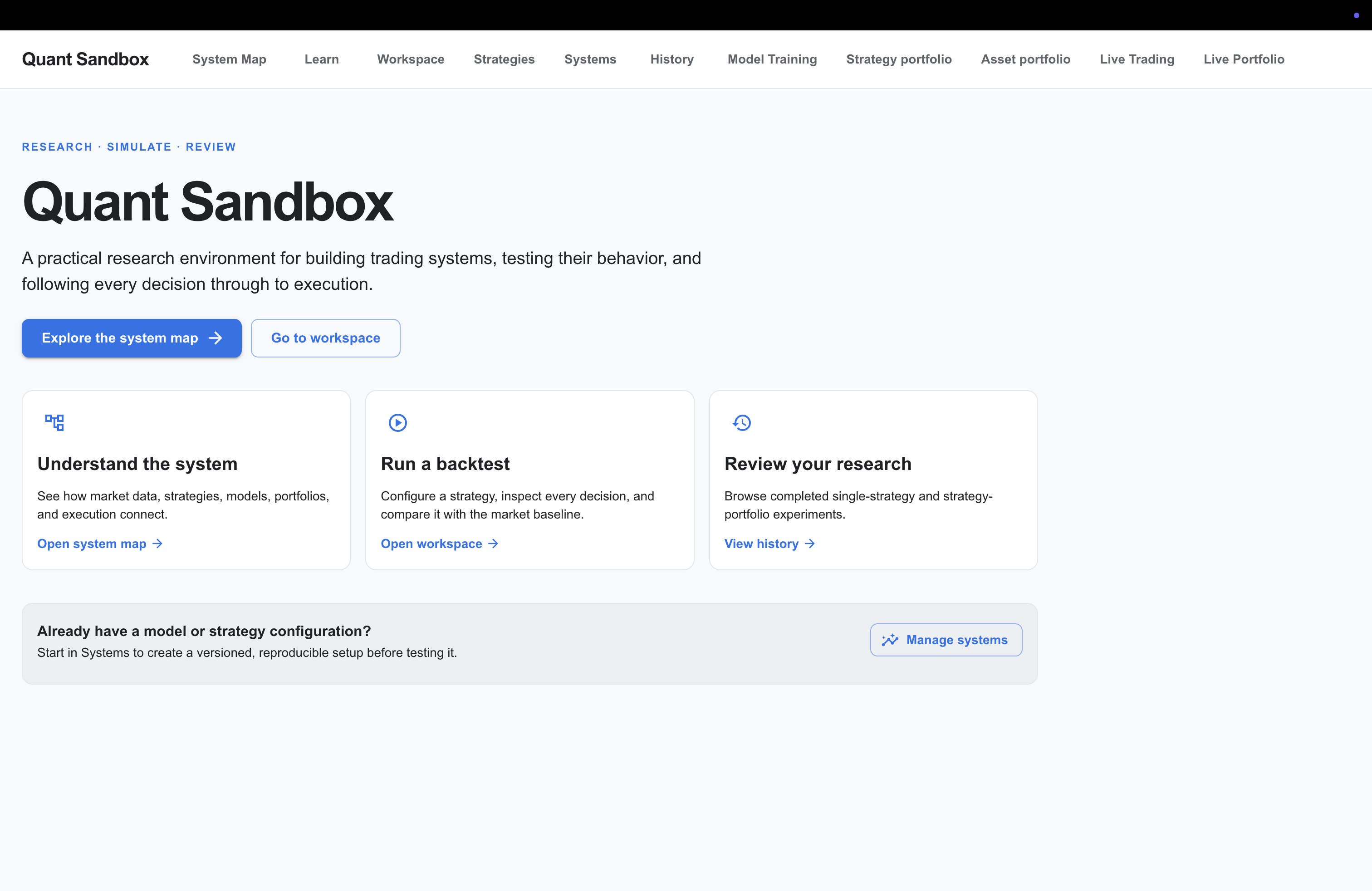
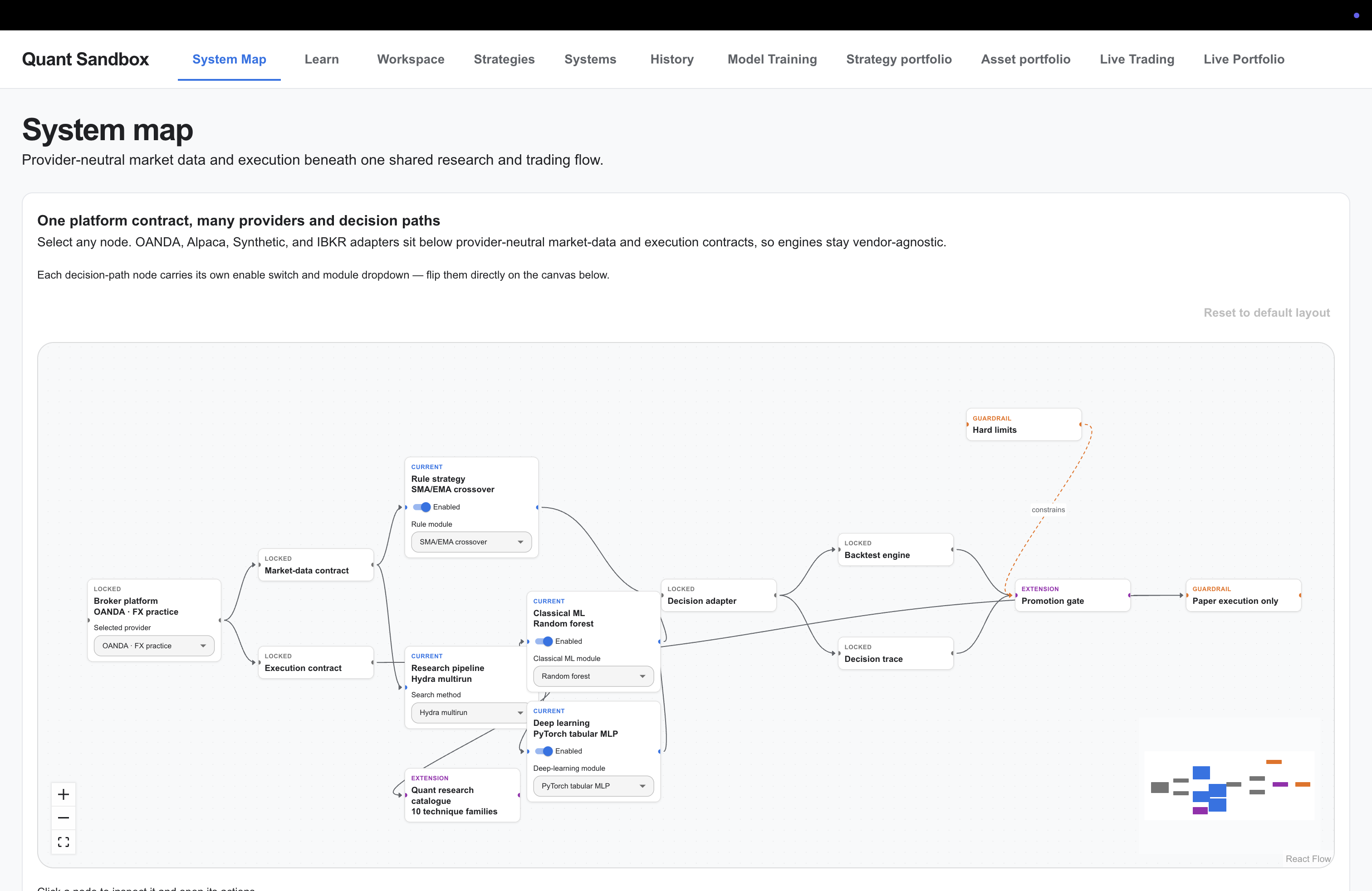
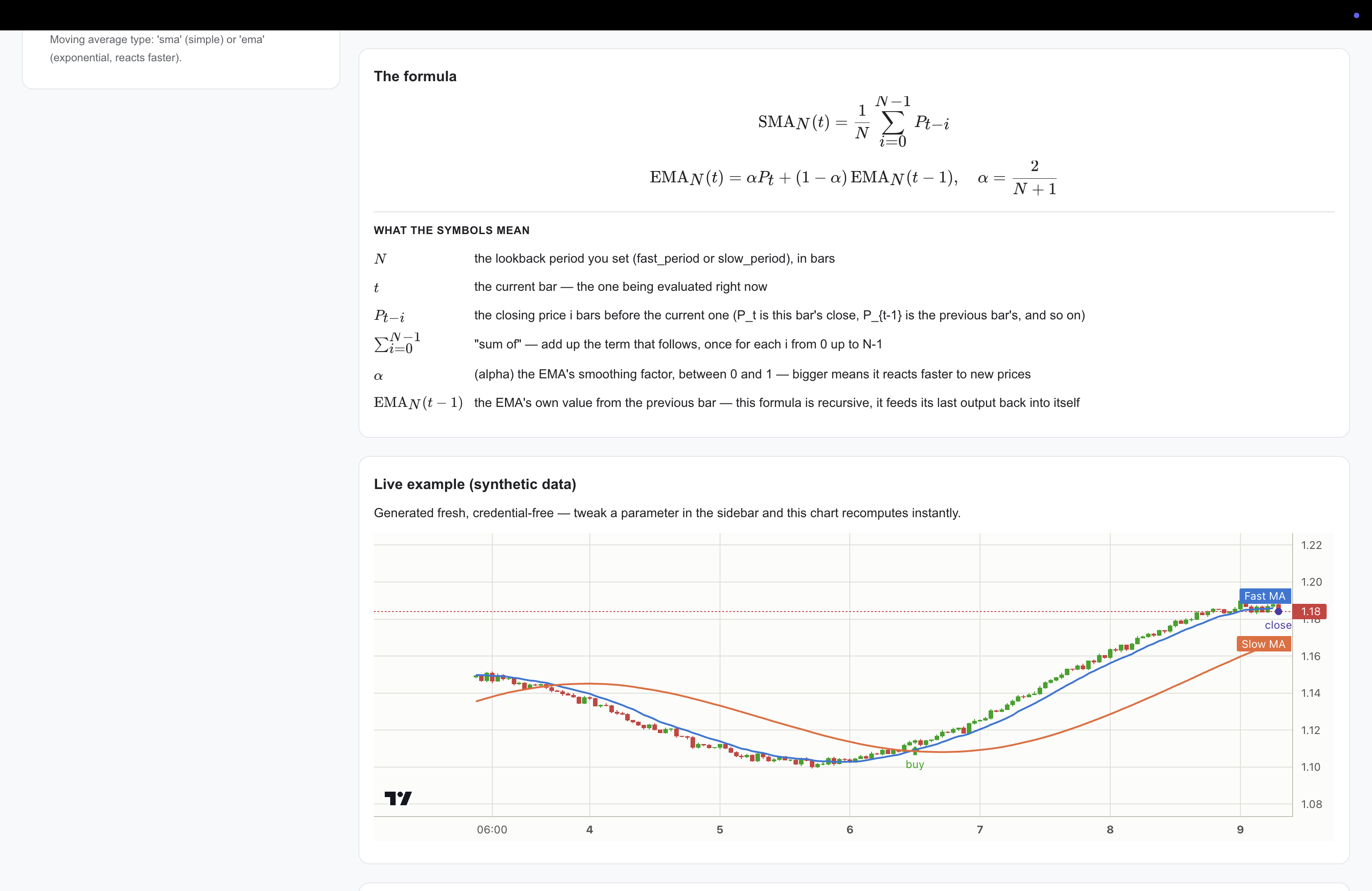
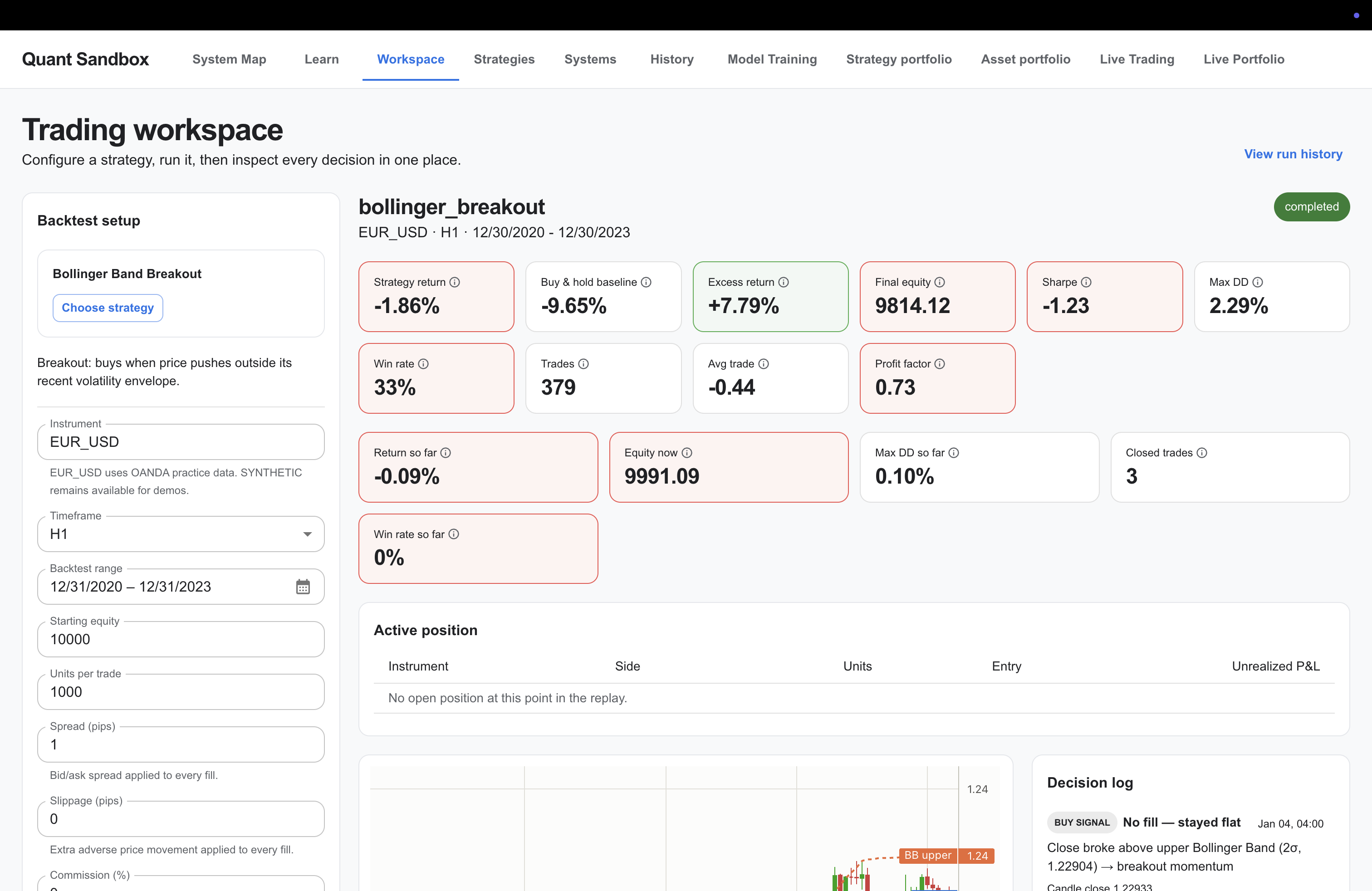
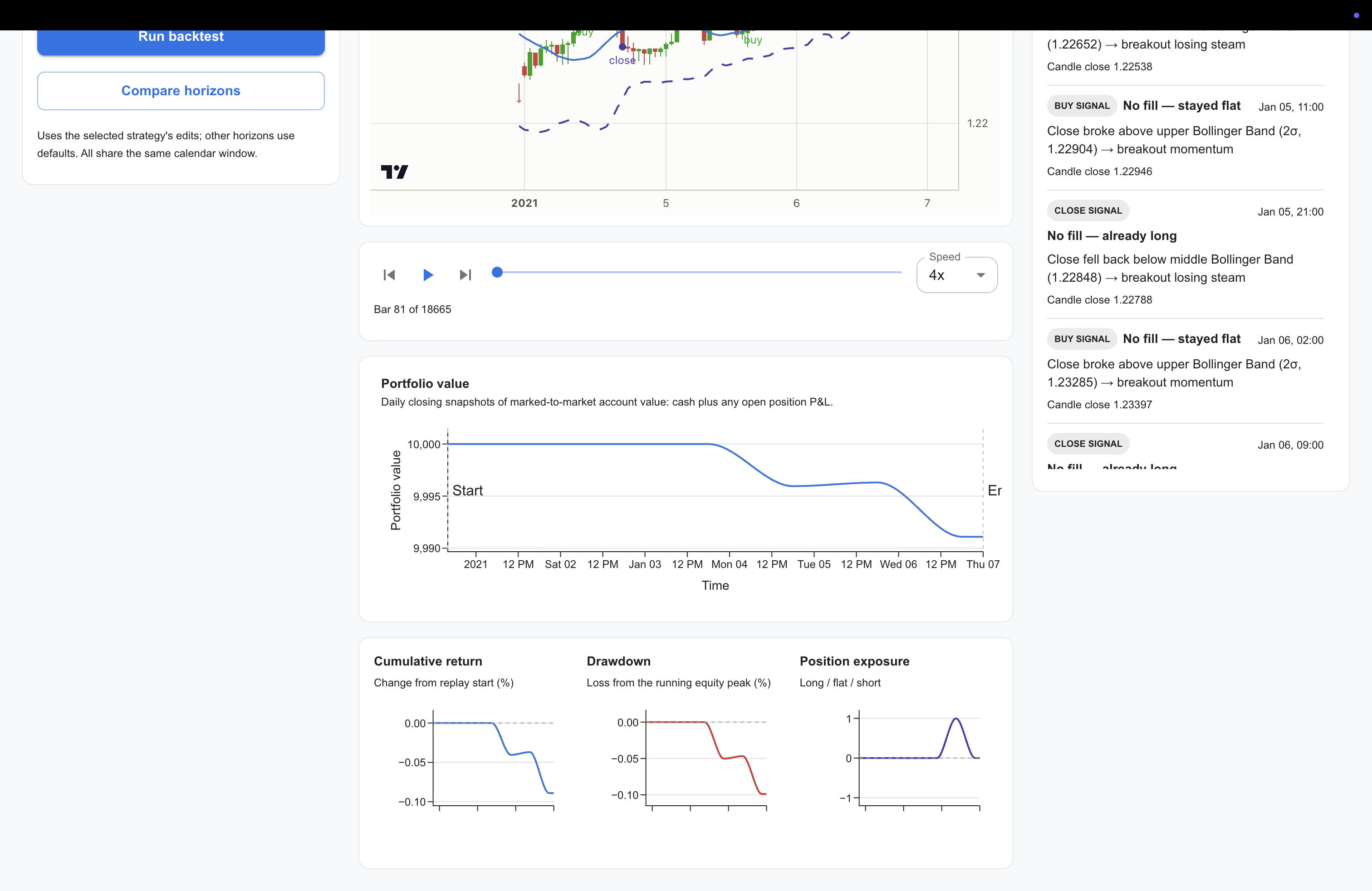
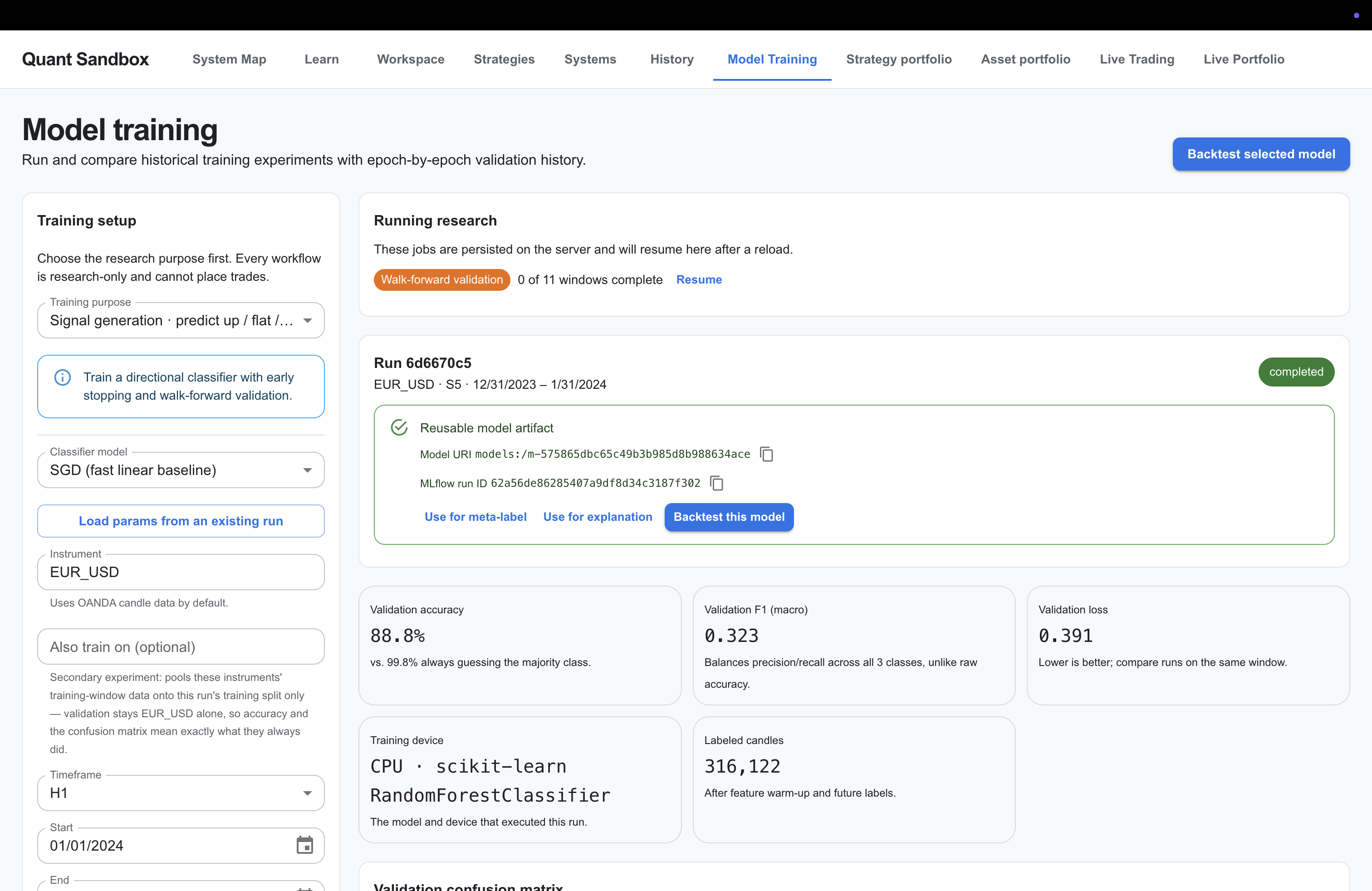
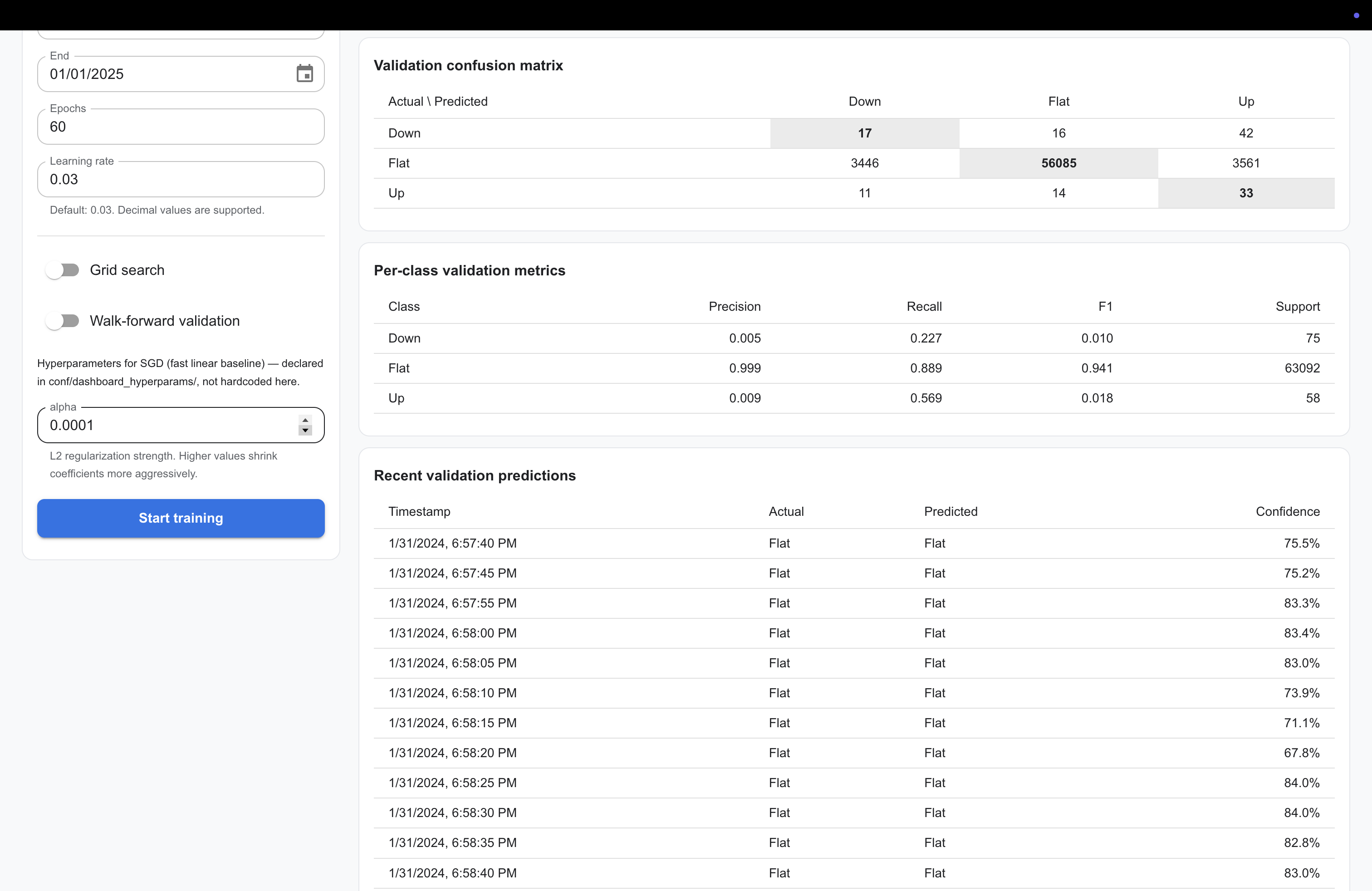
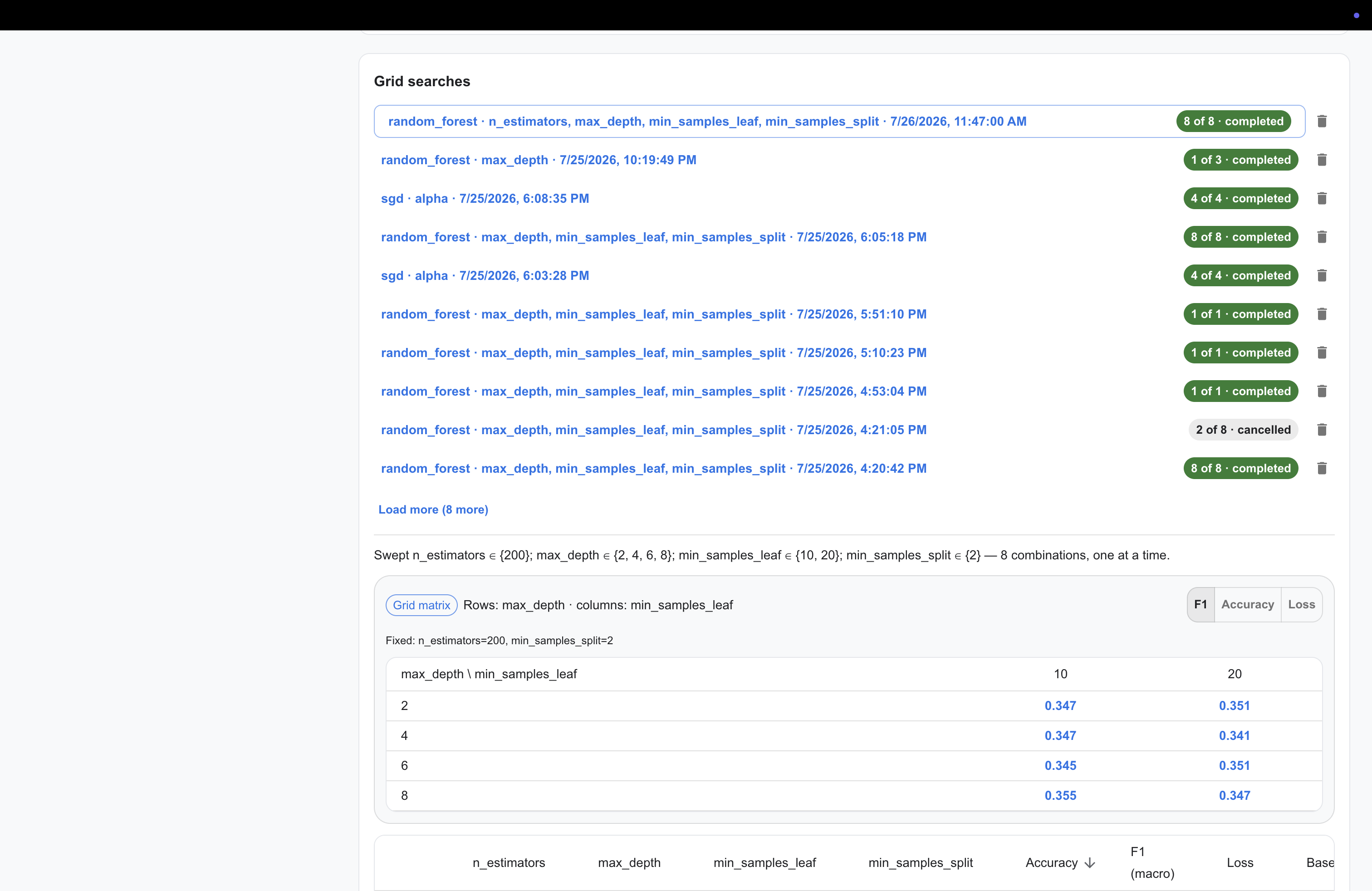
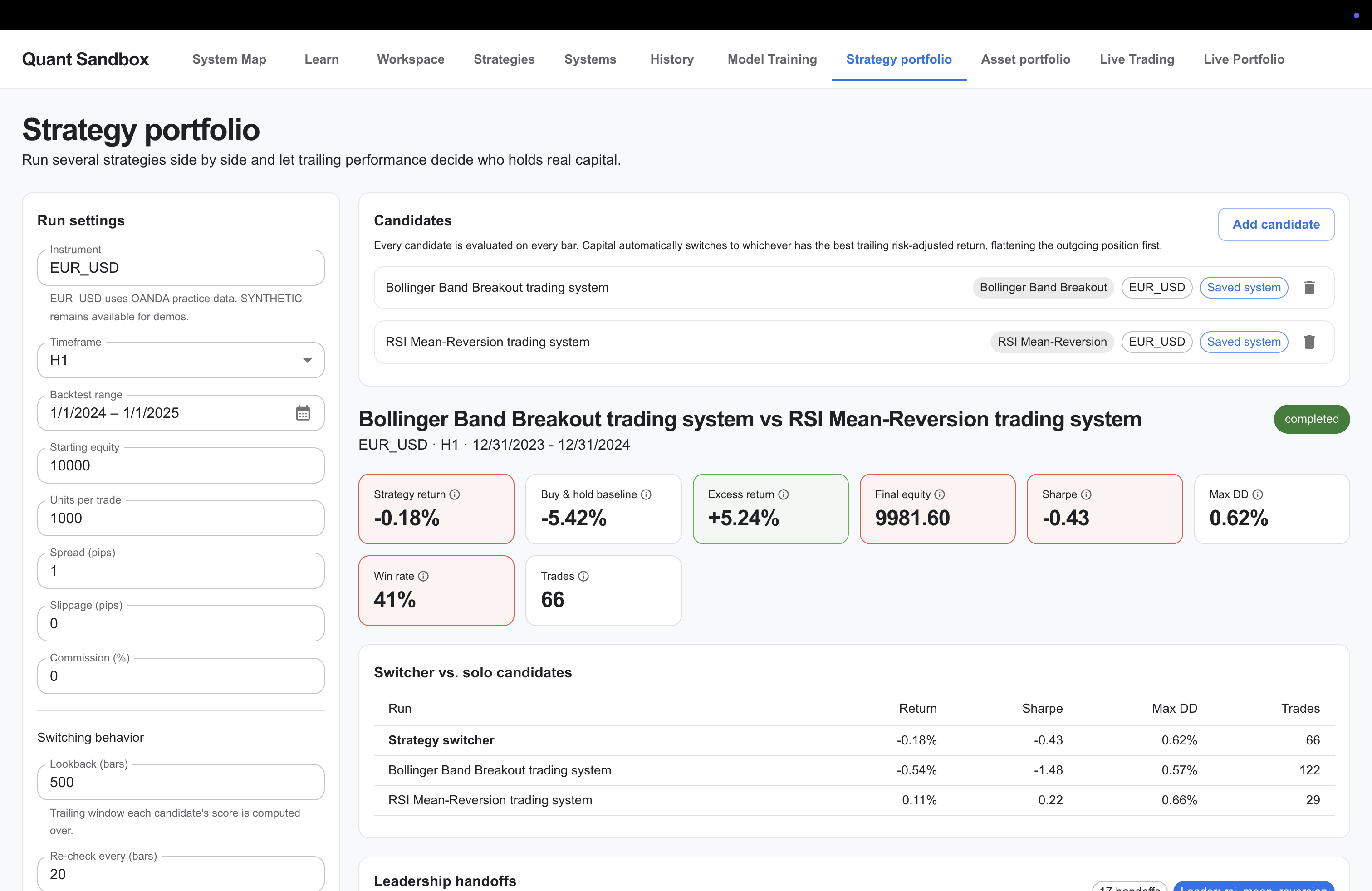
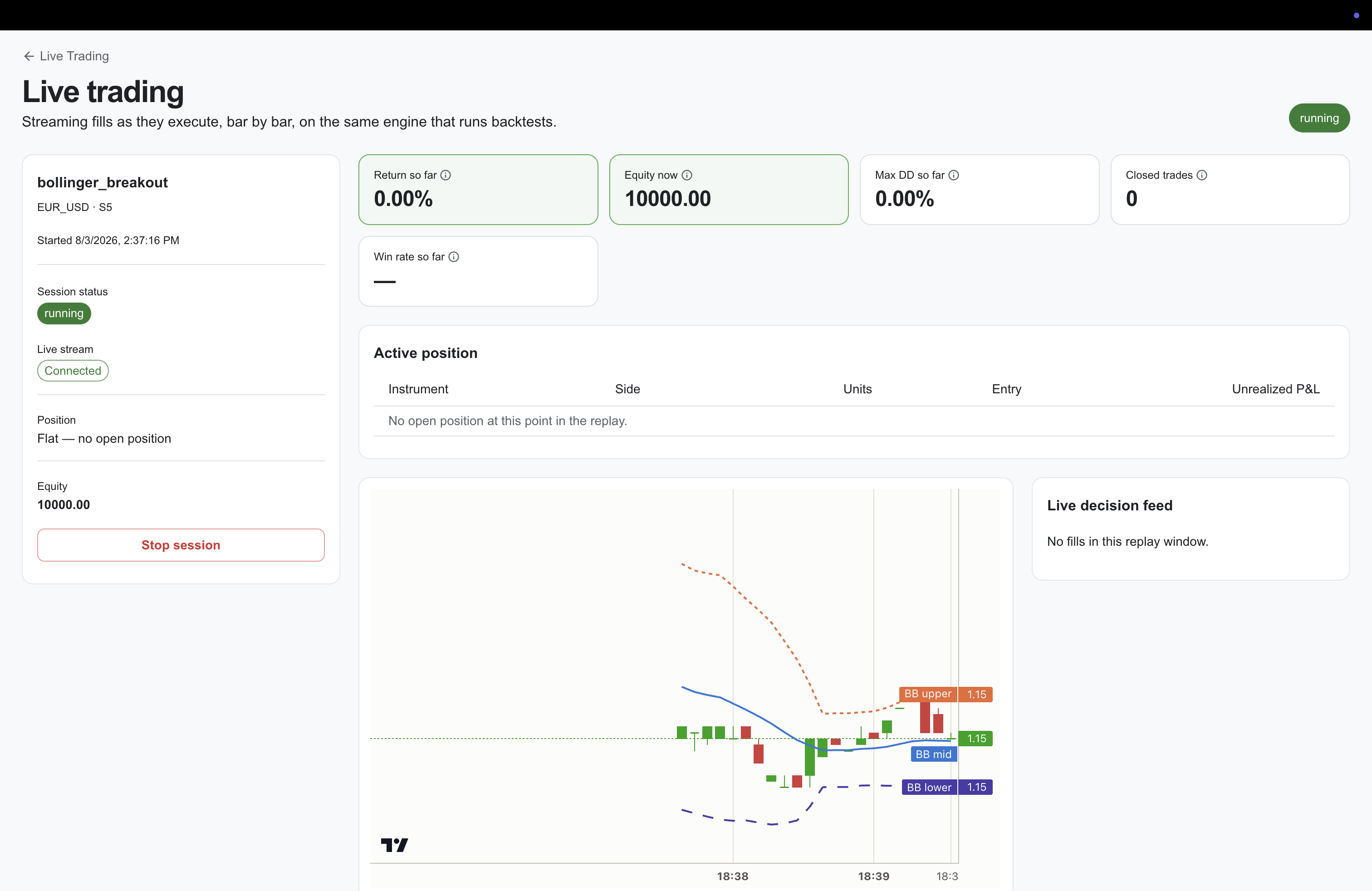
- Designed and built Quant Sandbox, a local-first quantitative research platform for developing, validating, and paper-trading systematic strategies across 14+ rule-based and ML-driven strategies across 10+ years of historical market data, powered by a Python/FastAPI quant engine and Next.js/TypeScript research dashboard.
- Architected a unified event-driven trading framework with a shared Event schema capturing market data, indicators, signals, execution state, and decision rationale, enabling identical bar-by-bar replay and analysis across historical backtests and paper-trading sessions.
- Built a vectorized backtesting engine supporting multi-year historical market datasets, transaction-cost modeling, strategy evaluation, and risk analytics including Sharpe ratio, maximum drawdown, VaR/CVaR, and bootstrap confidence intervals across trend, momentum, mean-reversion, and ML strategies.
- Implemented quantitative research workflows for factor analysis (IC/Rank IC, Information Ratio, quantile returns, factor decay), statistical testing, portfolio optimization, and strategy attribution to evaluate robustness across market conditions.
- Developed ML research pipelines with 11 engineered features, Hydra + MLflow experiment tracking, hyperparameter search, time-series cross-validation, rolling walk-forward validation, regime detection, volatility forecasting, SHAP explainability, and López de Prado-style meta-labeling/bet sizing.
 Canopy: AI Course Generation & Mastery Platform
 OpenAI Build Week Hackathon, Top 20 Finalist
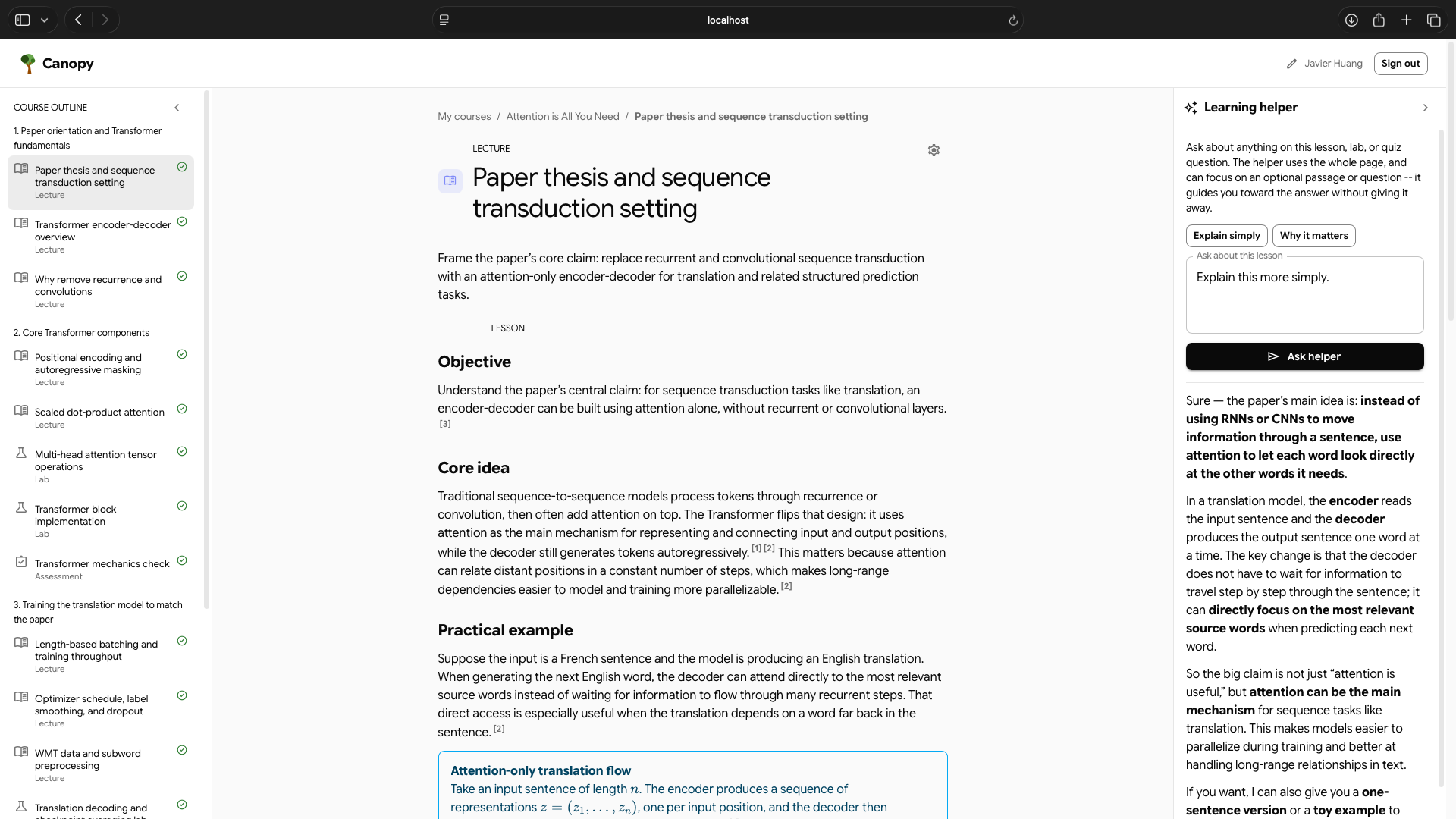
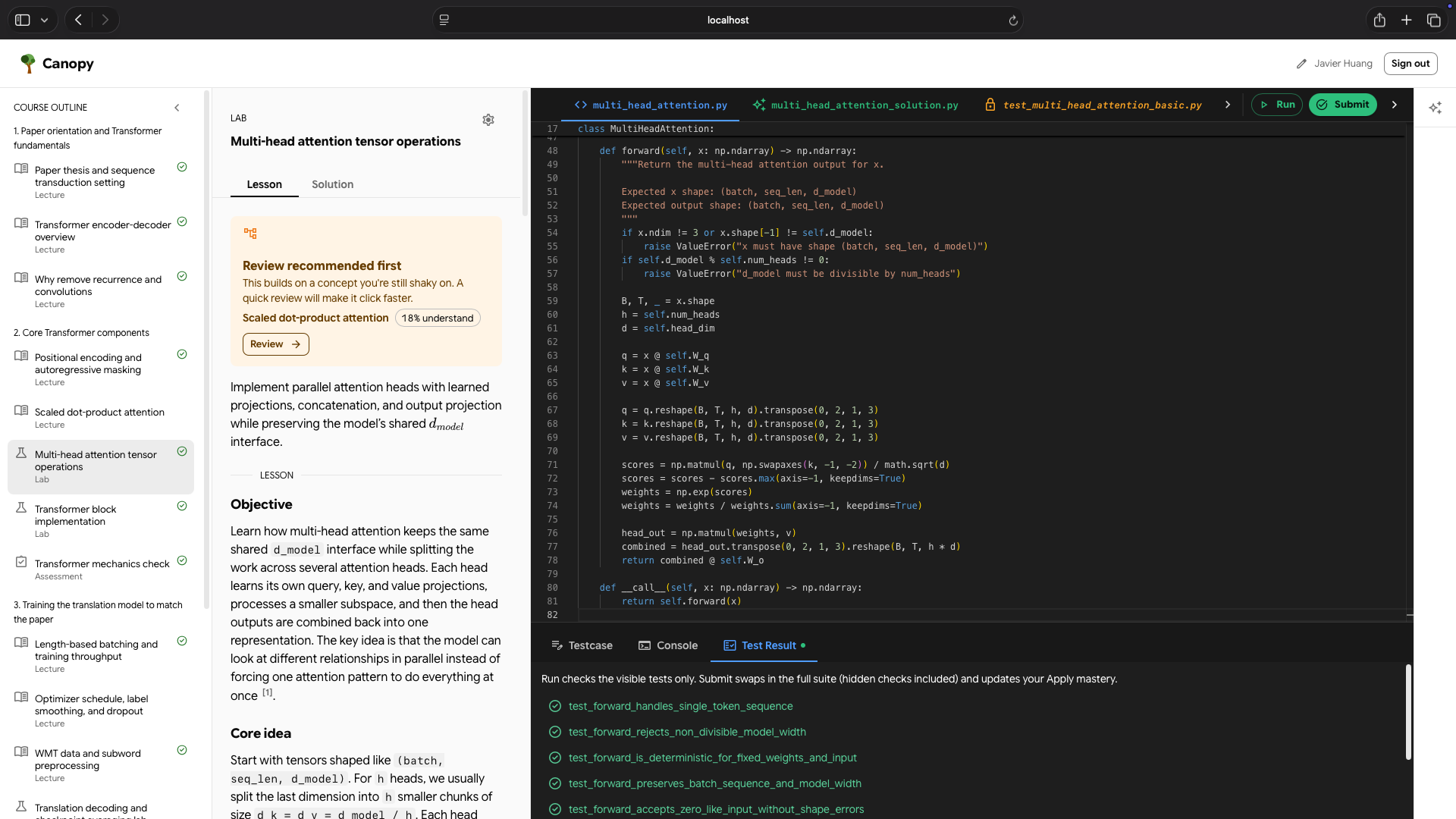
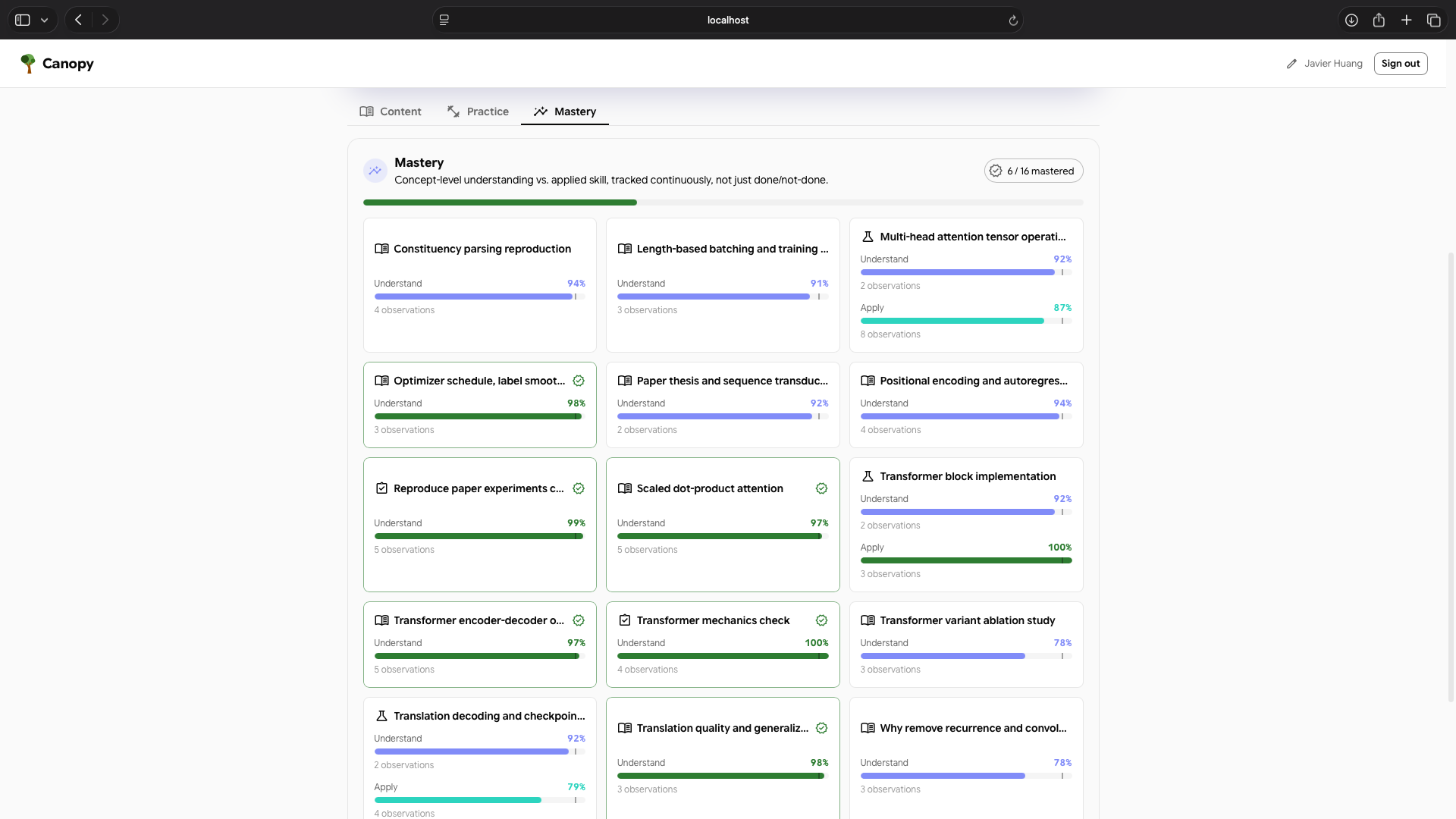
- Selected as a Top 20 Finalist in the 2026 OpenAI Build Week from 8,000+ projects and 46,000+ participants.
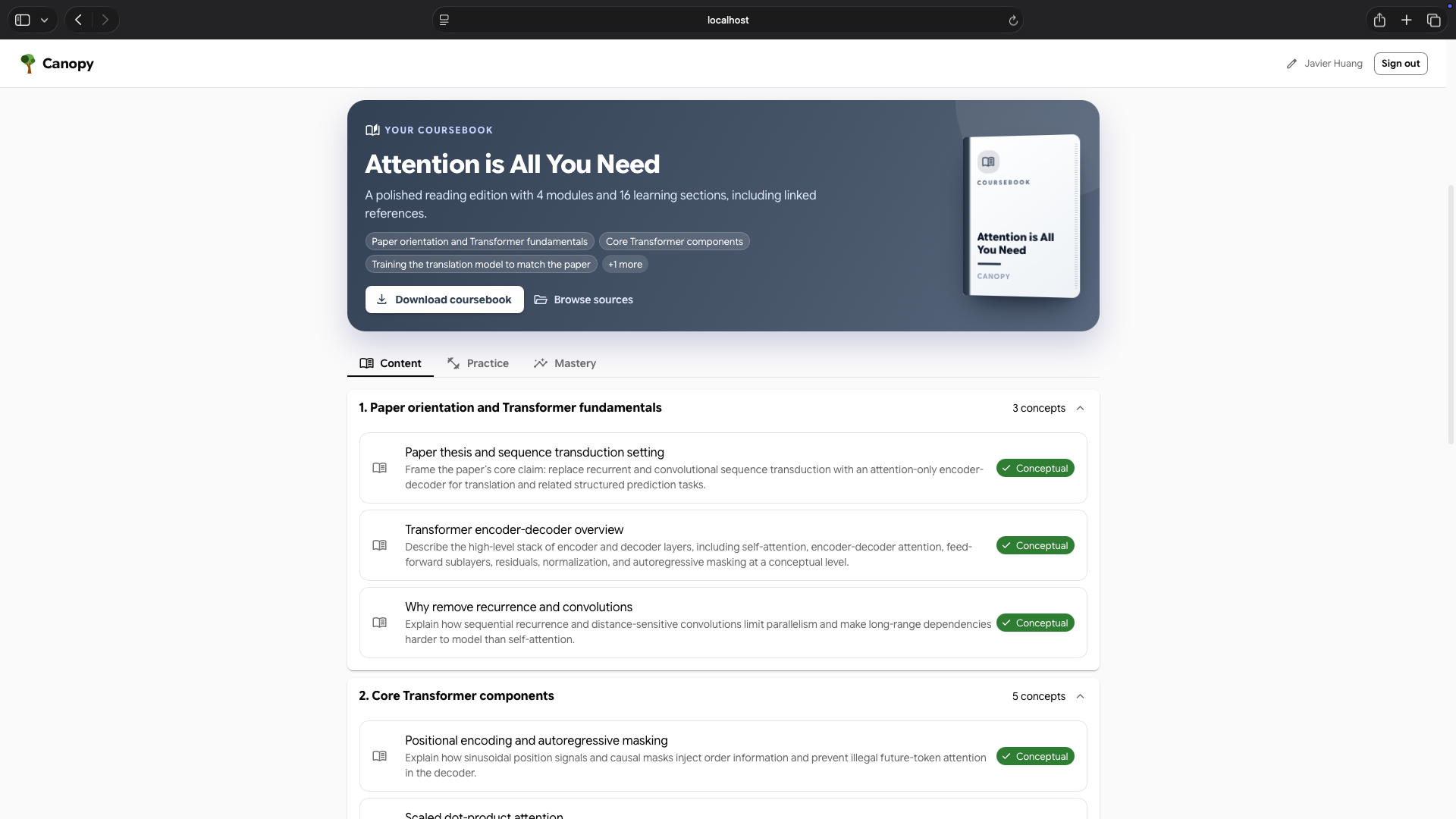
- Built Canopy, an AI learning platform that turns research papers, documentation, personal notes, or other sources, plus a stated learning goal, into complete source-grounded courses with lessons, worked examples, quizzes, and coding labs. Tracks per-concept mastery as separate Understand (quiz) and Apply (lab) estimates using Bayesian Knowledge Tracing, with prerequisite-aware review for weak concepts.
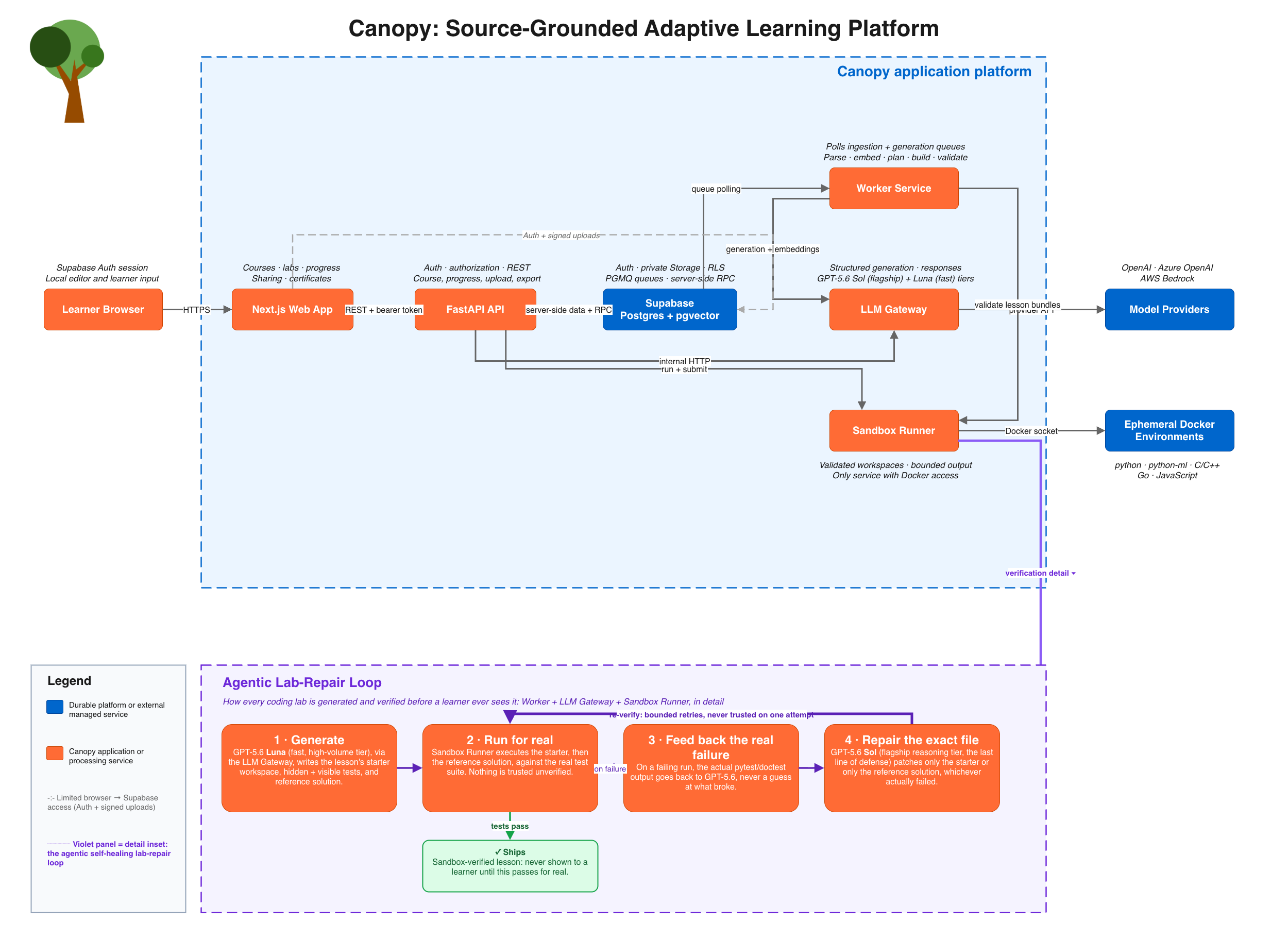
- Coding labs run in a Monaco-based editor and are validated before reaching learners through a bounded generate, execute, repair, and re-verify loop: reference solutions run against hidden tests in fresh, network-disabled, non-root sandbox containers, with real tracebacks fed back into regeneration.
- Built as a five-service platform: Next.js web app, FastAPI service, ingestion/generation worker, LLM gateway, and sandbox runner, backed by Supabase for authentication, storage, Postgres, and vector search. GPT-5.6 is routed by task complexity: flagship Sol for planning and lab repair, and faster Luna for high-volume authoring, grading, and the in-lesson assistant.
- Demonstrated the full pipeline by generating an end-to-end interactive course from Vaswani et al.'s "Attention Is All You Need" (arXiv:1706.03762), including lessons, assessments, mastery tracking, and executable coding labs.
 Eyas: AI Security Camera Agent arrow_outward
 2026 Hugging Face Build Small Hackathon, Best Agent Award with a $1,000 Prize
 GitHub arrow_outward emoji_events 2026 Hugging Face Build Small Hackathon, Best Agent Award with a $1,000 prize arrow_outward
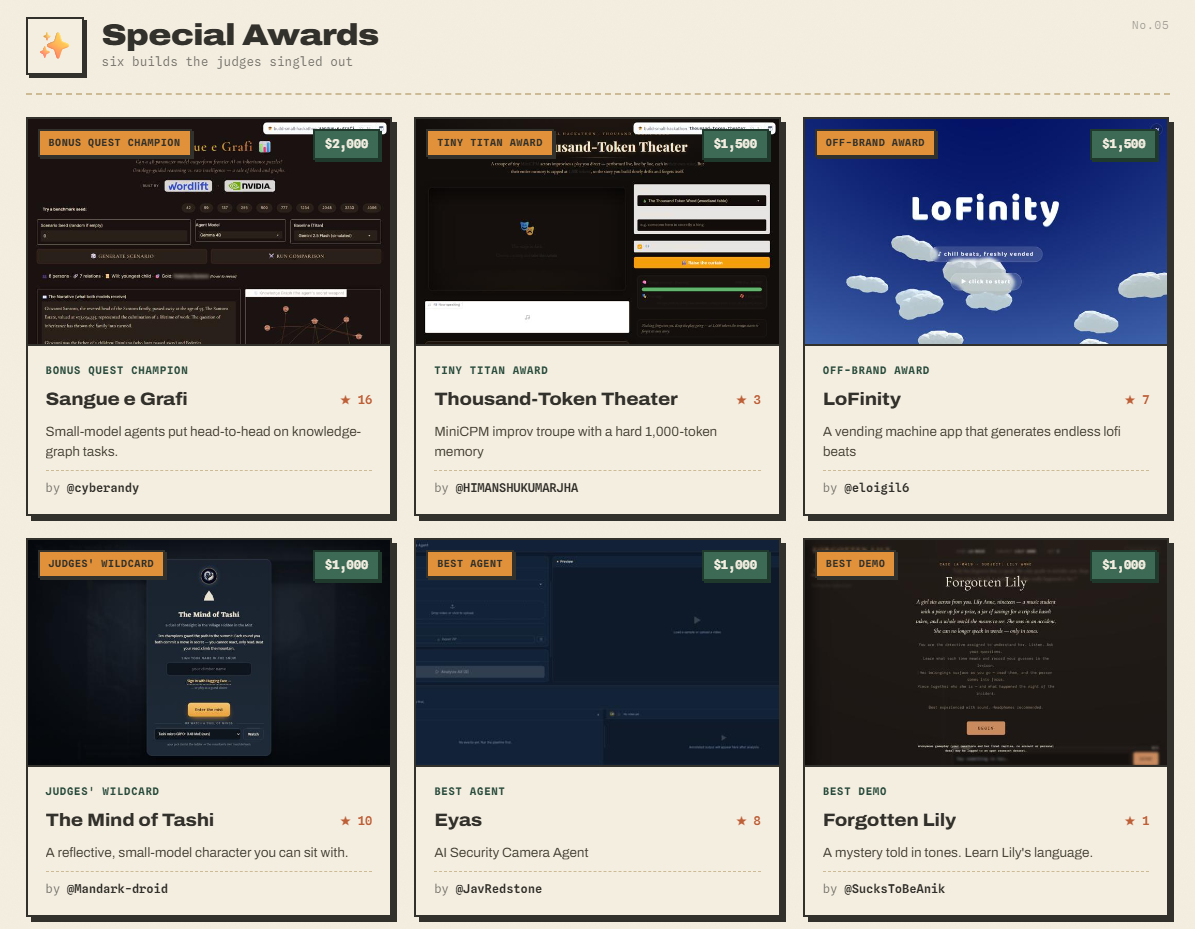
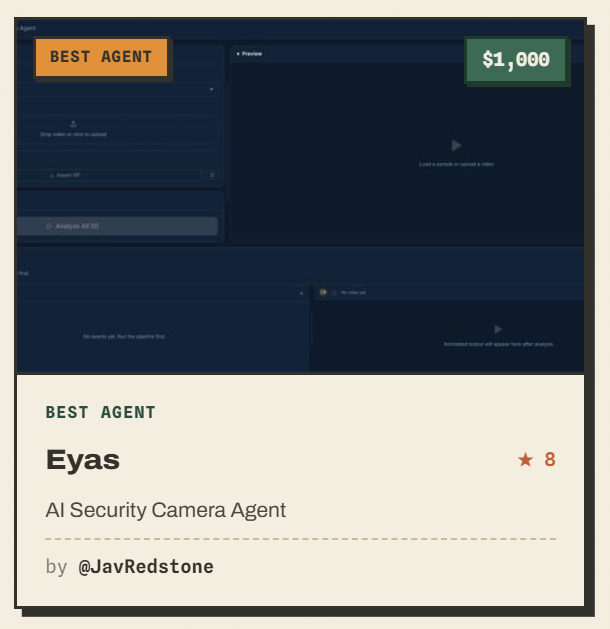
- Won the Best Agent Award with a $1,000 prize out of 946 apps created by hackers worldwide. Eyas is an offline CCTV intelligence agent that turns raw security footage into a structured event log using a chain of small, locally-running models with no cloud APIs, built to help convenience store owners detect shoplifting in real time instead of reviewing footage after the fact.
- Runs a four-stage pipeline entirely on CPU: YOLO11n detects and tracks people frame-by-frame; MiniCPM-V 4.6 (1.3B VLM) analyzes sub-sampled crops per tracked person and returns structured JSON observations; a heuristic event structurer converts observations into typed, zone-tagged events with timestamps using configurable evidence buffers; Nemotron 3 Nano 4B (Q4_K_M GGUF via llama-cpp-python) reasons over the structured event log to produce summaries, risk assessments, and natural-language Q&A with grammar-constrained JSON output. TinyAya handles Korean translation and VoxCPM2 generates audio briefings on CUDA-capable machines.
- Built a custom React SPA (Vite, MUI, Recharts, Framer Motion) served as static files through Gradio Blocks, replacing the default Gradio UI with a multi-camera review interface featuring resizable split panels, annotated video playback, a scatter-chart event timeline, and live pipeline progress tracking.
- Social media video filmed at Joy Convenience Store using mock camera angles. Demo footage sourced from publicly available CCTV clips, renamed and run through the full pipeline end-to-end.
 Mycelium: Autonomous GitLab Knowledge Continuity Agent arrow_outward
 Google Cloud Rapid Agent Hackathon
GitHub arrow_outward - Mycelium is a fully autonomous GitLab agent that prevents engineering knowledge loss by continuously modeling ownership, expertise, and structural fragility across a codebase and acting directly inside GitLab to stabilize it.
- Infers real ownership from commits, code reviews, module interaction patterns, and temporal signals. Identifies concentrated expertise risk, orphaned subsystems, and hidden fragility from evolving codebases and forks. When issues are detected, the agent autonomously creates targeted GitLab issues, generates onboarding context packs for new contributors, and produces handoff artifacts from historical activity when engineers go inactive.
- Runs a fully autonomous Observe → Model → Analyze → Decide → Act → Reflect → Persist → Summary pipeline. Webhook-driven triggers (push, merge request, issue, and member events) activate the pipeline in real time. A CLI enables direct operation with live streaming, on-demand onboarding and offboard generation, knowledge graph inspection, and event replay. A Next.js monitoring dashboard provides full visibility into live agent traces, per-stage reasoning, knowledge graph topology, bus factor analytics, and a complete action history log.
- Built on Google Cloud Agent Builder using Gemini via Vertex AI as the reasoning model and ADK as the agent runtime on Vertex AI Agent Engine. Execution layer uses the official GitLab MCP server alongside a custom GitLab MCP server for extended continuity workflows, and MongoDB MCP for persistent graph queries. Backend is a FastAPI server deployed on Cloud Run via Docker, handling webhook ingestion, pipeline orchestration, REST APIs, and SSE streams for real-time UI updates.
2026 Confluent Data Streaming World Tour AI Day Toronto Hackathon, First Place Winner, Most Impactful AI App Award (MacBook Pro Prize)
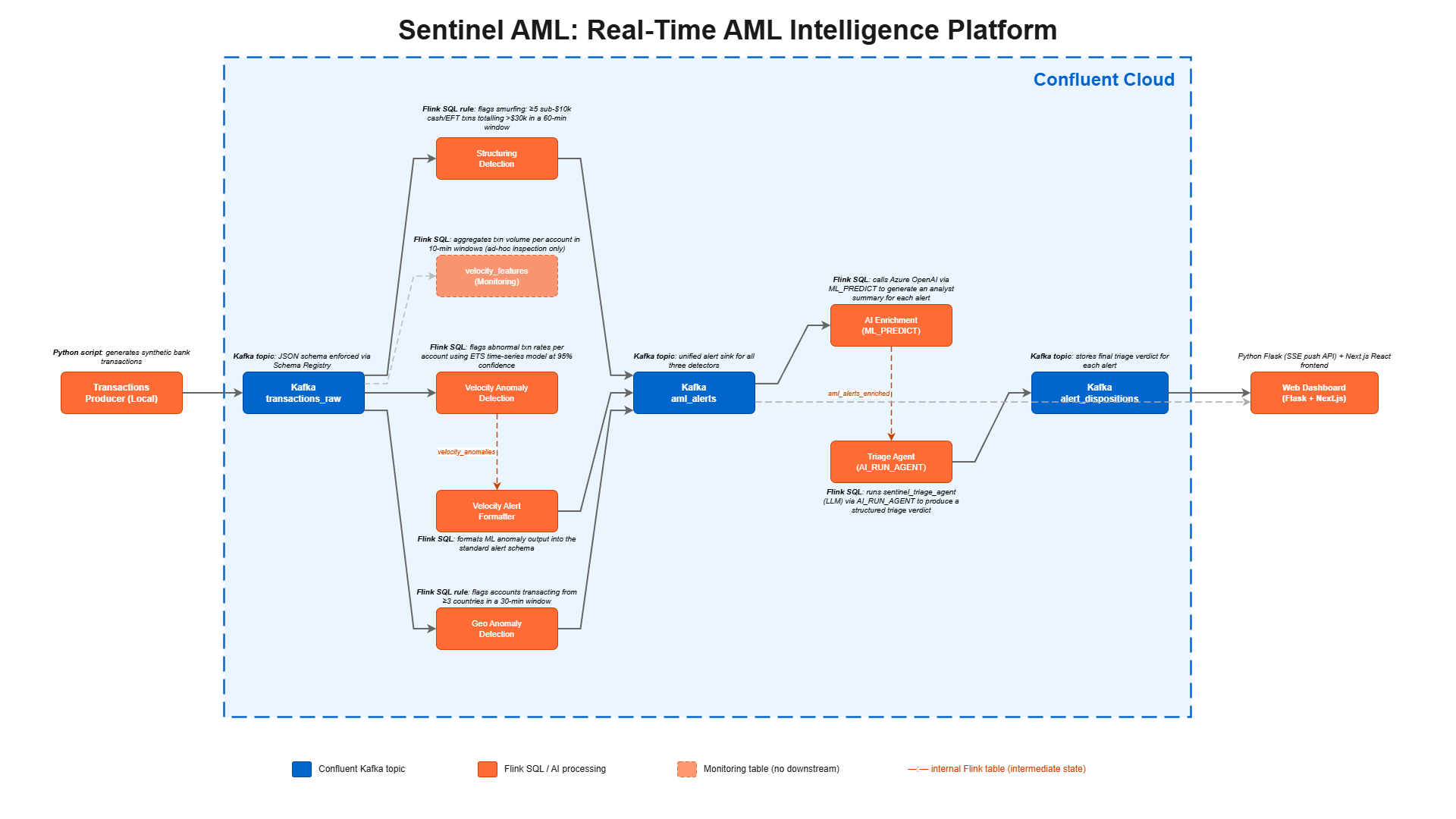
- First place winner at the 2026 Confluent Data Streaming World Tour AI Day Toronto Hackathon, with the Most Impactful AI App Award (MacBook Pro Prize). Built Sentinel AML, a real-time anti-money laundering (AML) intelligence platform that continuously analyzes financial transaction streams to detect suspicious activity as it occurs.
- Designed for compliance teams, financial crime investigators, and risk operations units in banks and fintechs, Sentinel AML replaces batch-based compliance with a continuous, autonomous, and auditable decision pipeline.
- Detection runs in Confluent Flink SQL using tumbling-window aggregations and statistical anomaly detection to surface behaviors such as structuring, velocity spikes, and cross-border anomalies within minutes.
- Alerts are enriched via Azure OpenAI (gpt-5-mini) using Confluent's ML_PREDICT function to produce concise analyst-ready explanations inside Flink, and routed to a streaming AI agent that triages cases to escalate, review, or dismiss with recommended Suspicious Activity Report (SAR) decisions.
- The system substantially reduces detection latency and manual investigation workload while improving response speed, operational efficiency, and auditability, lowering false positives compared to batch workflows.
1st Place Winner with a $15,000 prize - Hosted by Scotiabank × IMI BIGDataAIHUB
- Team lead of team 33. Led the team to win 1st place with a $15,000 prize among 430 competitors across 90+ teams, including PhD, Masters, and Undergraduate students, in the IMI Big Data & AI competition hosted by the Institute for Management & Innovation (IMI) UTM BIGDataAIHUB in partnership with Scotiabank.
- Engineered a data-intensive, interpretable AI Anti-Money Laundering (AML) system, with data analysis pipelines using 16 machine learning models across individual and small business entities, trained on customer-level features aggregated over 7 transaction types plus an all-types view in largely unlabelled financial data, capturing overall and transaction-specific anomalies.
- Designed and developed a source-compliant AML knowledge library (FINTRAC, FINCEN, FLSC, etc) mapping regulatory red flags to data features via AML patterns, enabling SHAP-generated, LLM-enhanced explanations that are human-readable, distinguish fraud vs. AML, and preserve auditability and factual consistency for compliance use.
- Built a full-stack Next.js web application integrating detection models, explainability, and the AML knowledge library into a unified investigator-facing workflow platform.
U of T ESC102 Praxis II Course Project
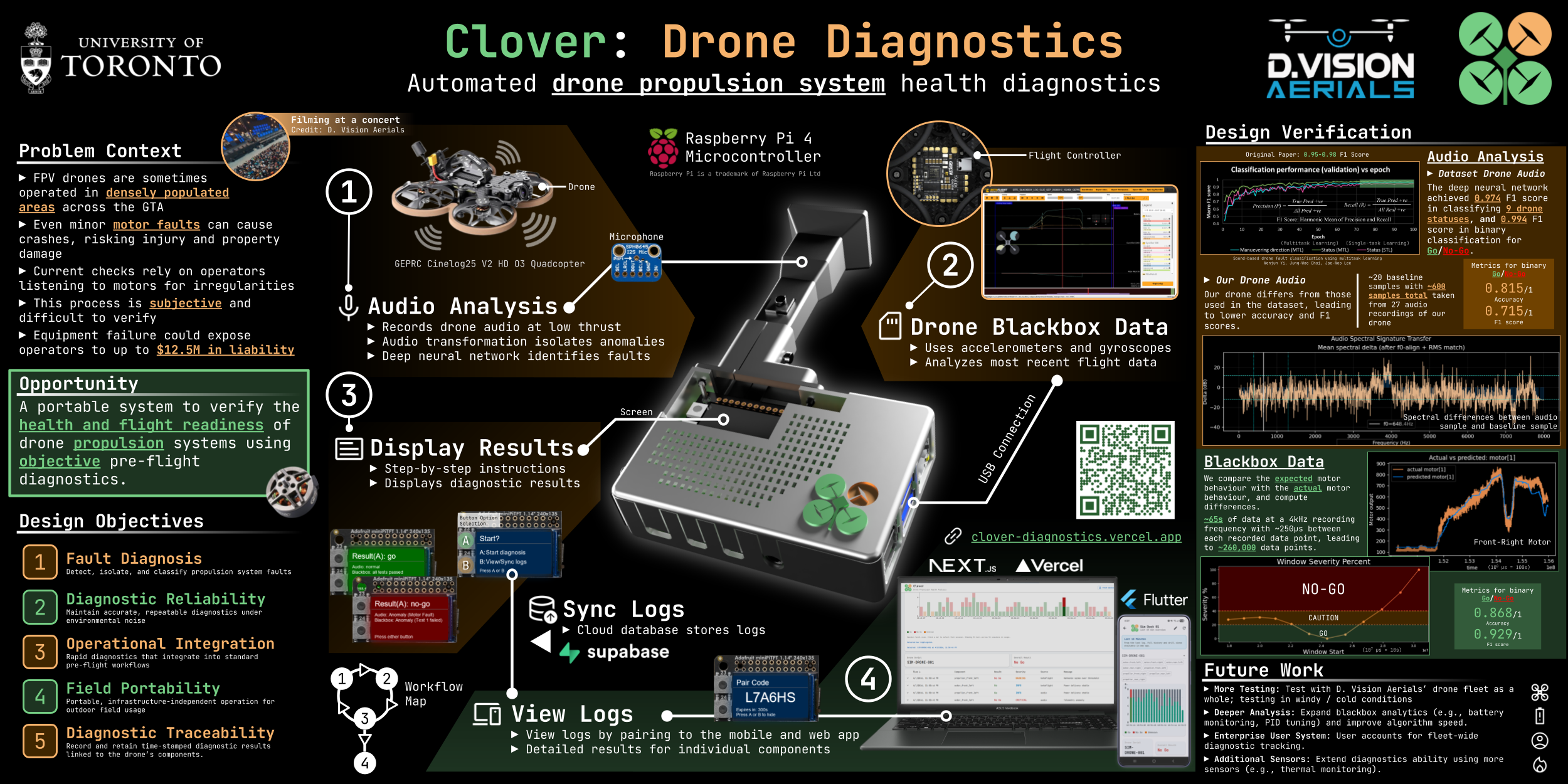
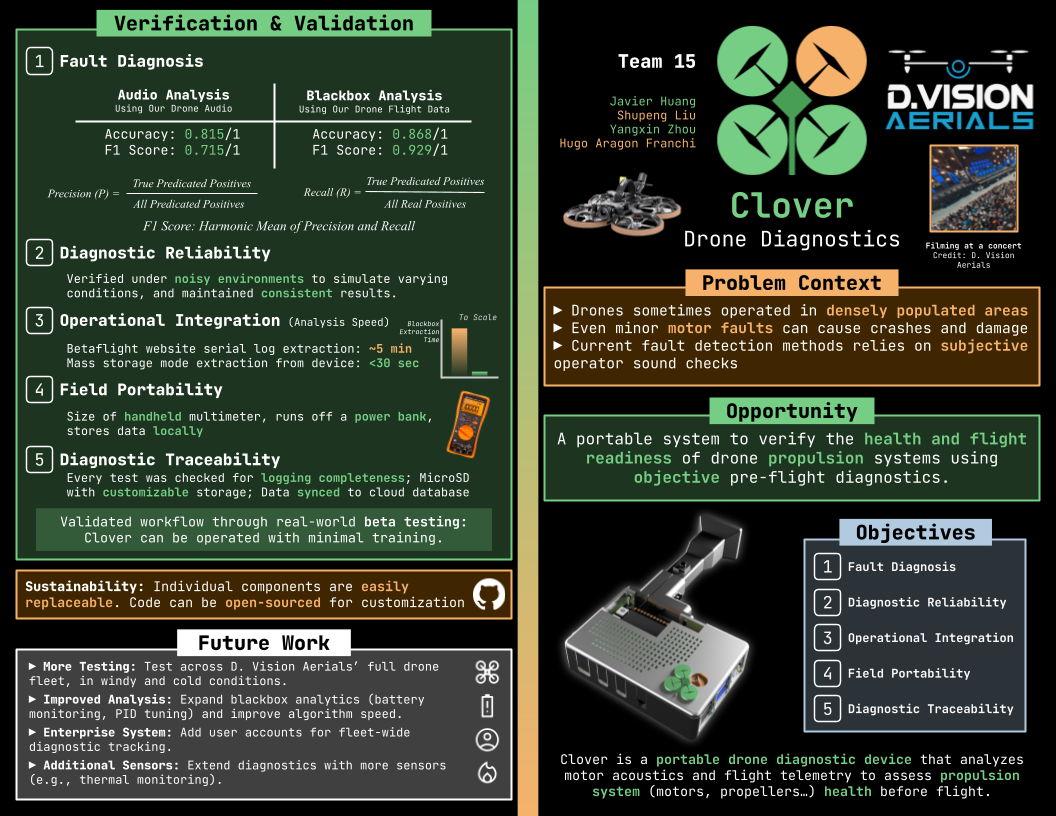
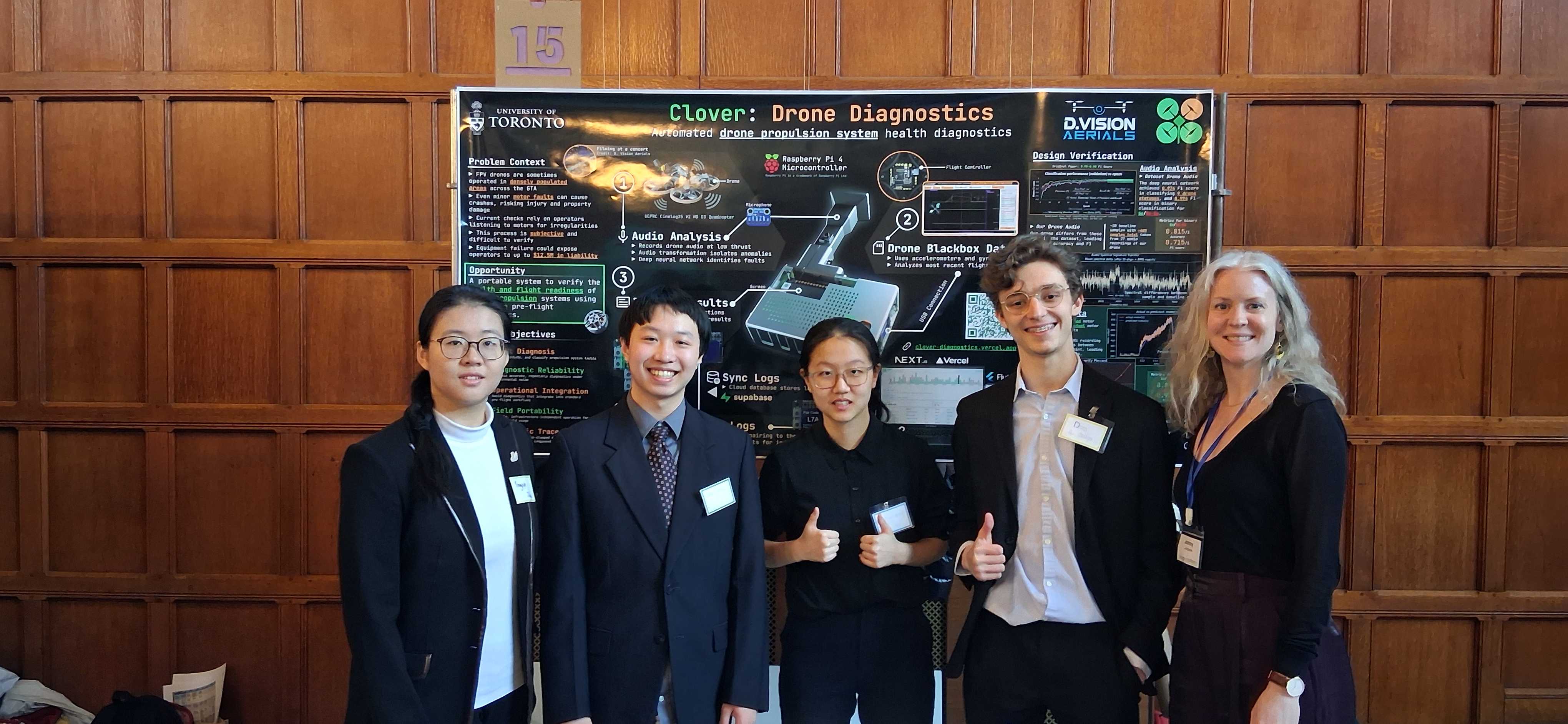
- Built Clover, a portable AI-powered pre-flight diagnostic system for D. Vision Aerials' FPV drones. Clover replaces manual motor spin checks with automated go/no-go assessments, improving consistency in pre-flight decisions and reducing operational risk in dense urban environments.
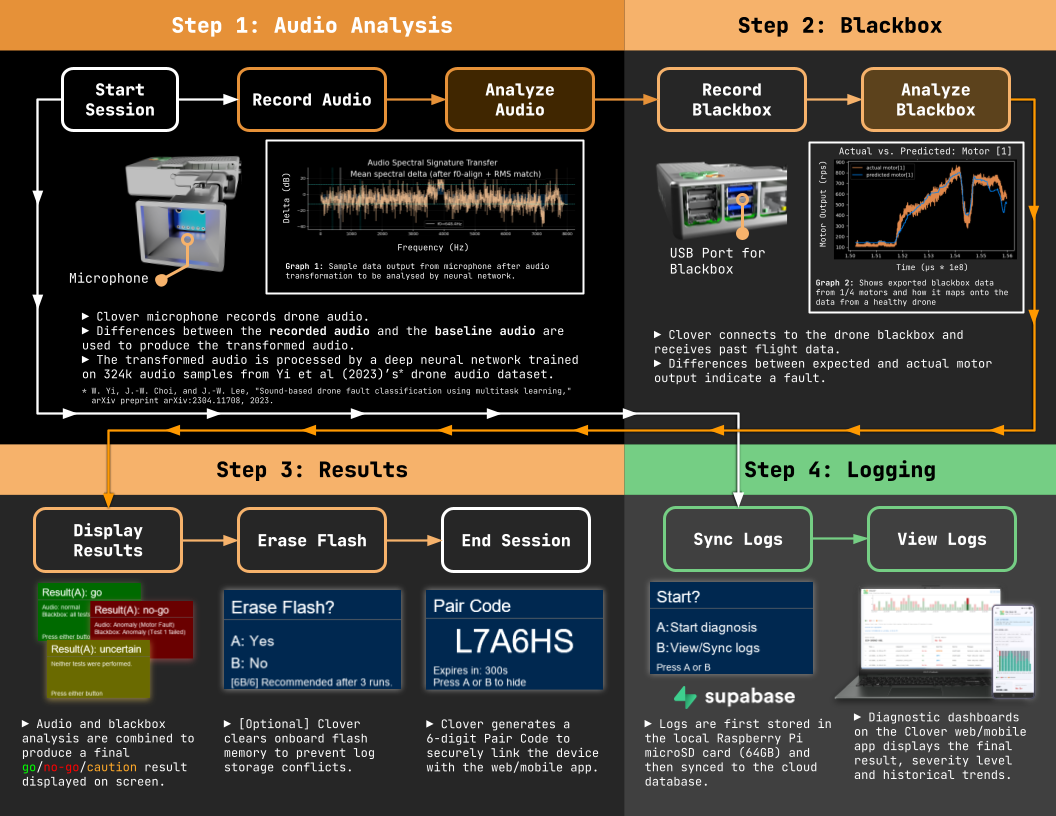
- The system evaluates drone health by combining acoustic motor analysis with onboard flight controller blackbox telemetry, comparing expected motor behavior against observed performance to detect and localize faults prior to flight.
- Clover runs on an edge platform (Raspberry Pi), producing real-time, time-stamped diagnostic outputs with full audit logs, and syncing results to a Supabase cloud database. Data is accessible remotely through a Flutter mobile app and a Next.js web dashboard for monitoring and review.
- For acoustic fault detection, it uses a multitask 1D CNN-ResNet architecture based on sound classification research. The deep learning model identifies fault types (motor, propeller) and infers flight direction. Audio inputs are standardized via preprocessing and domain normalization so that recordings from different drone units are mapped into the same feature distribution as the training dataset, ensuring compatibility and stable anomaly detection.
- The model was trained for 100 epochs on 324k audio samples, reaching 97.4% accuracy and F1 score on the reference dataset. In field testing, Clover achieved 81% accuracy/F1 on acoustic data and 87% on blackbox telemetry-based diagnostics.
Bronze Medalist in the U of T EngSci Pong AI Tournament 2025
- Bronze Medalist in the U of T EngSci Pong AI Tournament 2025. Developed an advanced computer AI for Pong that achieved a 50-1 win record against a chaser opponent (a simple player that follows the ball's Y-position).
- Implemented physics-based bounce simulation with accurate wall and paddle collision detection, and a two-bounce prediction algorithm that anticipates the ball's trajectory through multiple rebounds.
- Engineered offensive strategies that aim for paddle edges to generate unpredictable bounce angles, exploiting paddle angle mechanics to maximize scoring opportunities.
- Designed a detection sequence system to dynamically identify paddle positioning, and simulated opponent paddle movement to predict future game states for strategic decision-making.
 StackDAG arrow_outward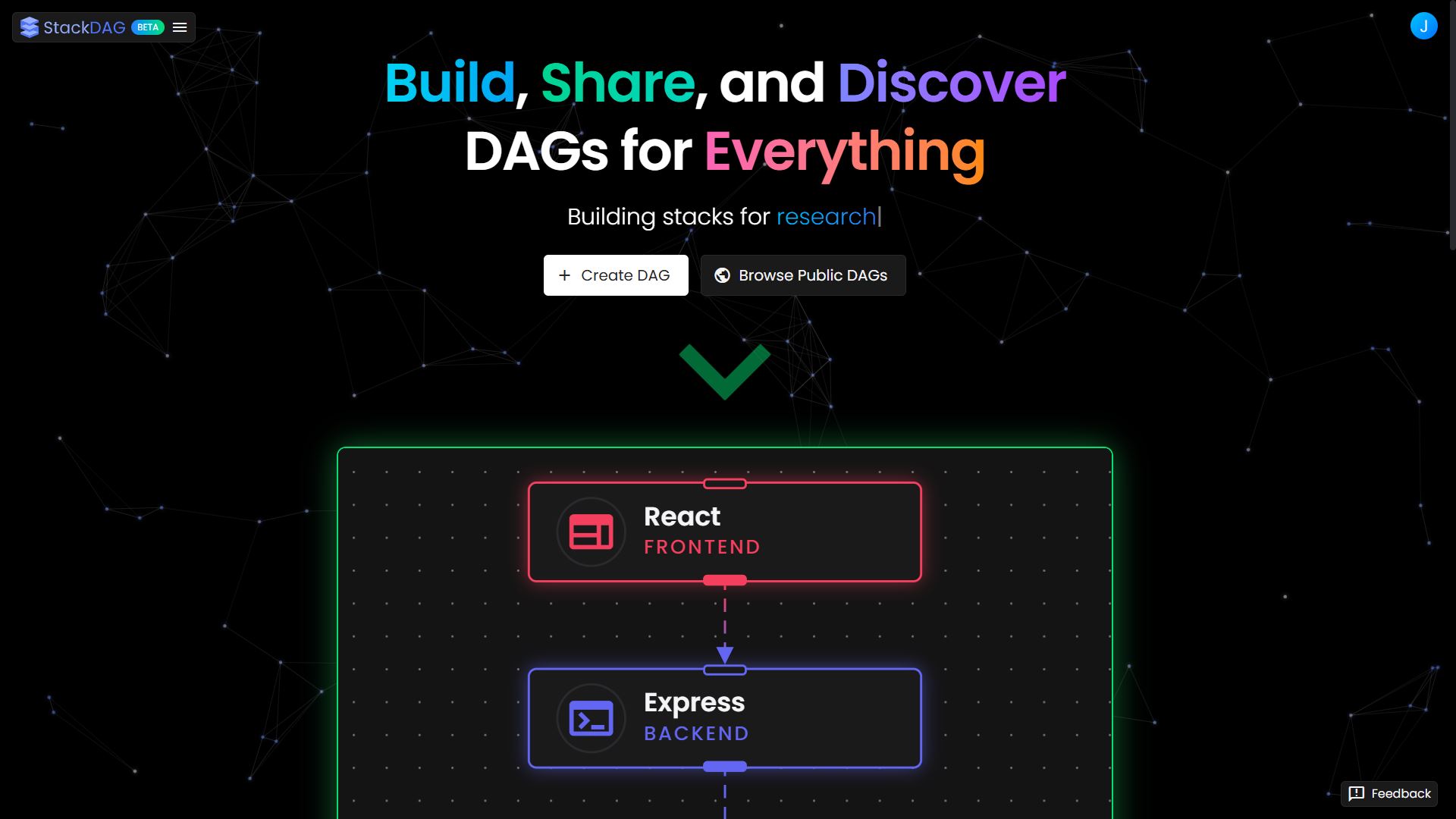
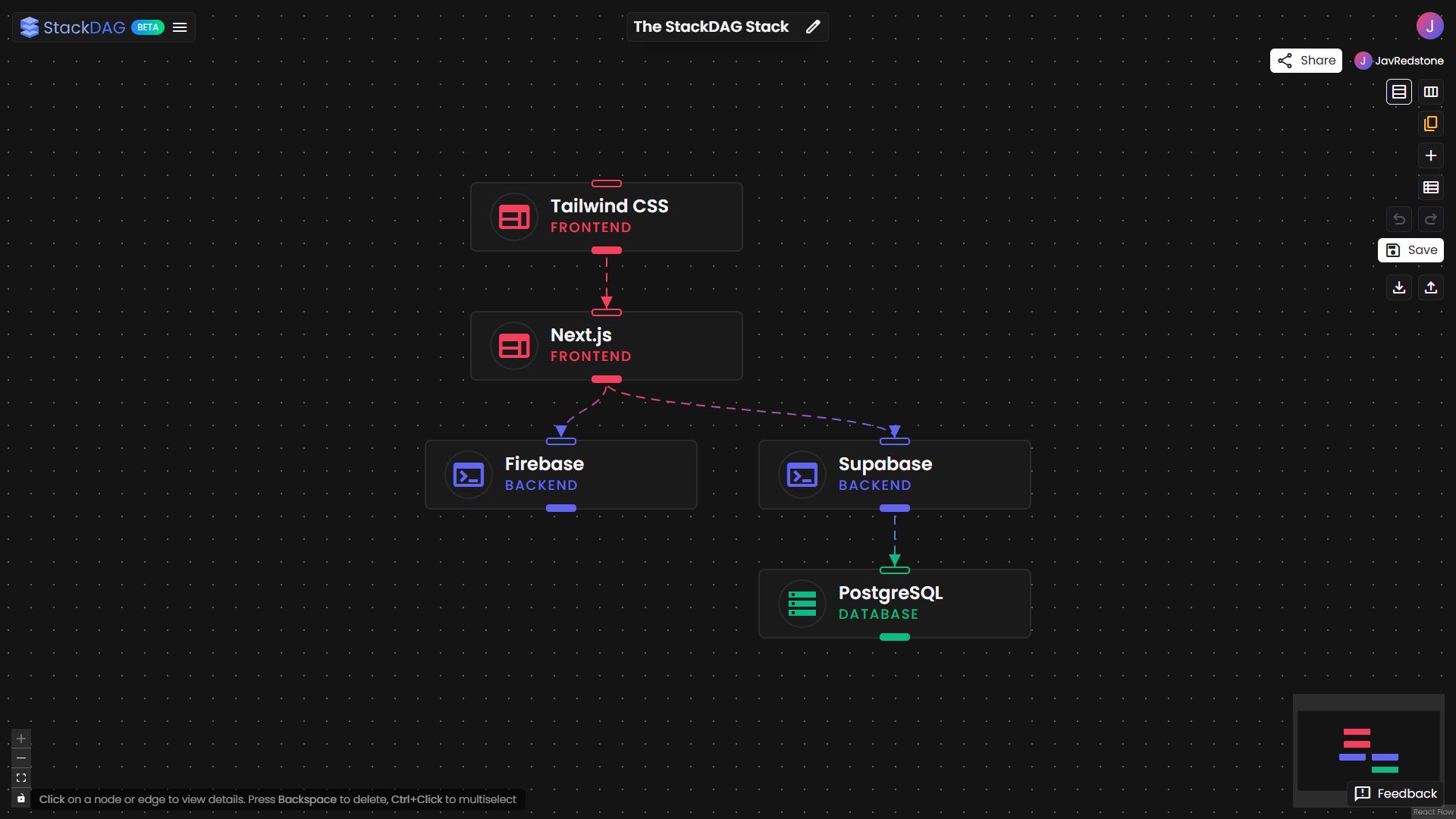
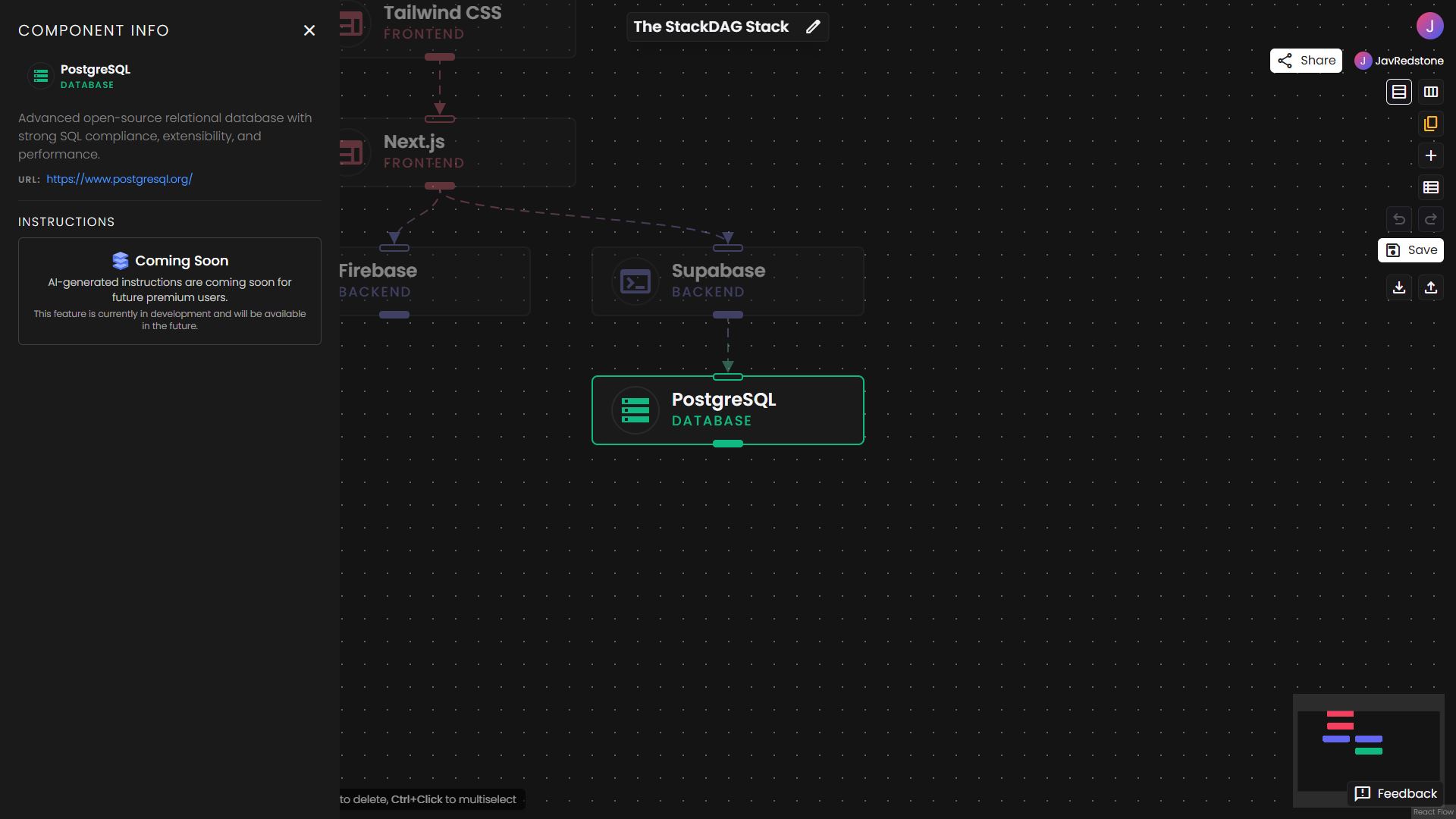
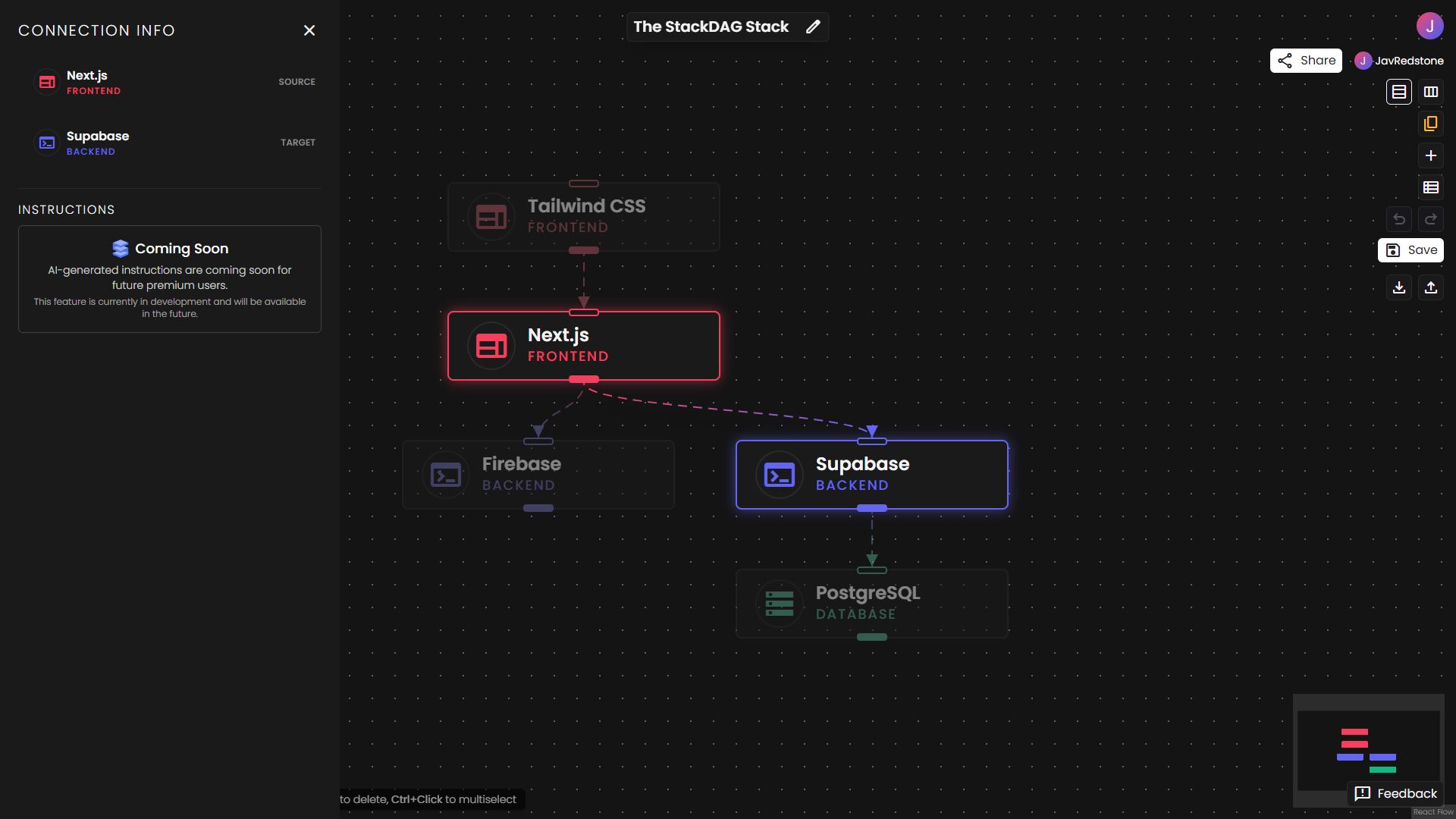
- Designed and developed StackDAG, a full-stack AI-integrated web application built with Next.js (React), Firebase authentication, and a Supabase cloud PostgreSQL database with Supabase Edge Functions for REST request processing and API security.
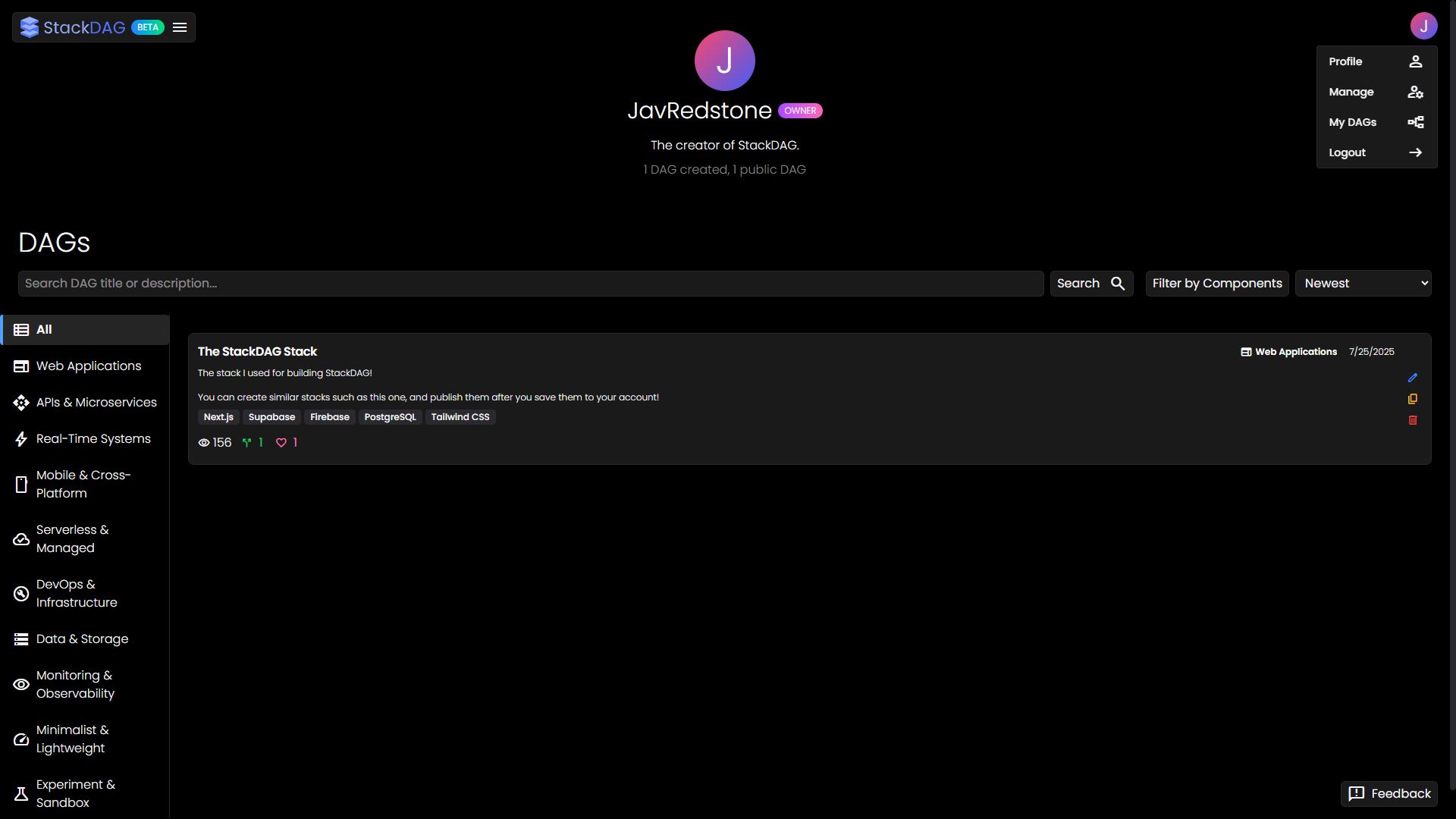
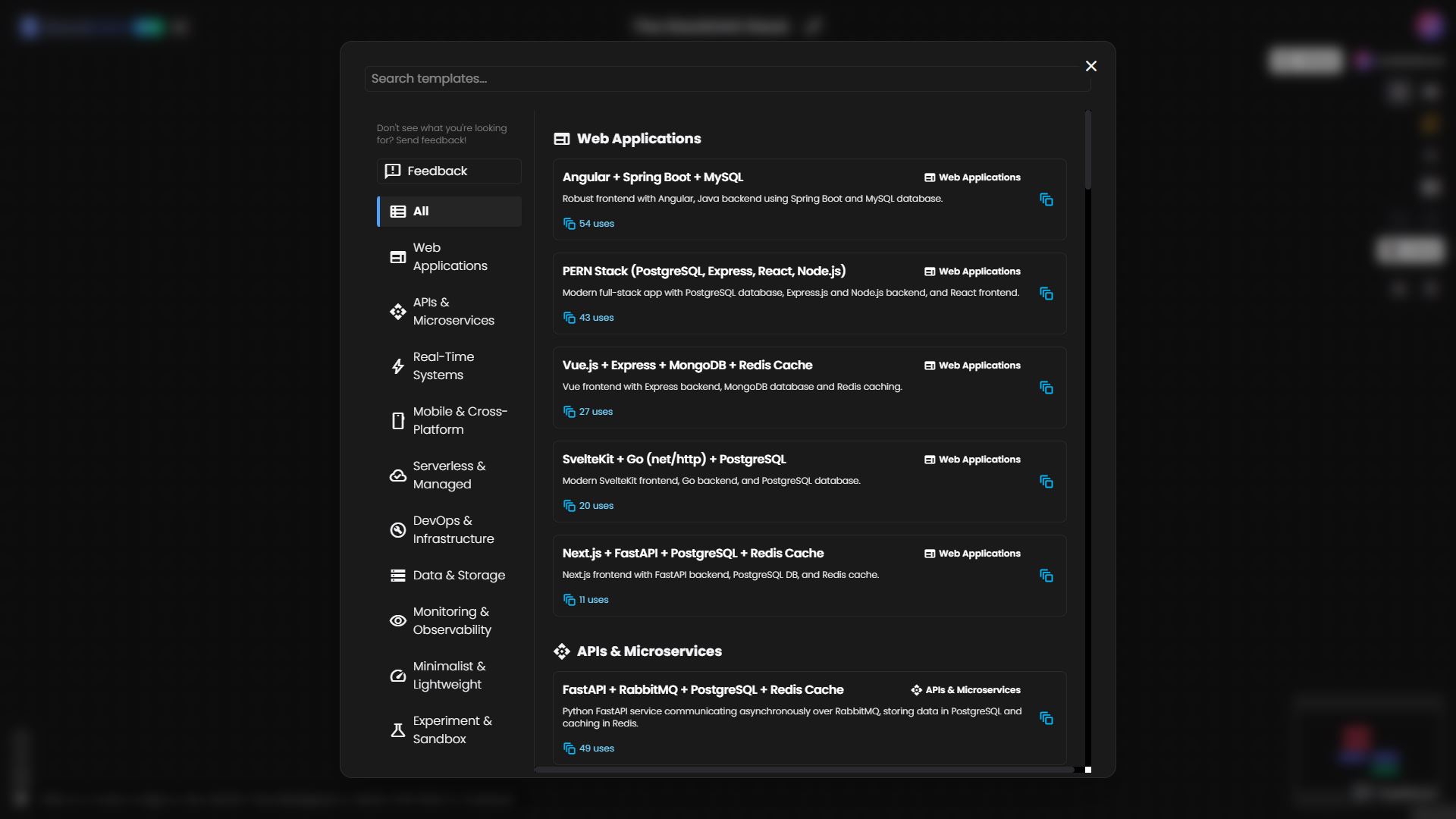
- Enables users to view, create, share, fork, and upvote Directed Acyclic Graphs (DAGs) representing technology stacks.
- Integrated the OpenAI API to provide layer-by-layer setup and integration guidance for each DAG, with all DAGs and AI-generated instructions stored in Supabase for fast retrieval.
GitHub arrow_outward - Developed an end-to-end deep learning aerial object detection pipeline using YOLOv11 Nano for the DOTA v1.5 dataset, focusing on preprocessing and data transformation for oriented bounding boxes.
- Implemented image tiling (640×640 with padding for YOLO format) to preserve resolution and detail, translated and clamped OBB annotations to tile boundaries, converted polygons to YOLO-oriented format with normalized coordinates, and mapped class names to indices.
- Trained and evaluated the YOLOv11 model on the processed dataset, producing detection visualizations, loss curves, and confusion matrices. Developed and documented my complete workflow and experimentation process in a Google Colab-hosted Jupyter Notebook.
GitHub arrow_outward - Developed an end-to-end deep learning pipeline for multi-class skin lesion classification using the HAM10000 dataset, using transfer learning with MobileNetV2 as the backbone.
- Addressed severe class imbalance through targeted data augmentation and stratified train/validation/test splits.
- Evaluated model performance with accuracy, loss curves, and confusion matrix analysis to identify common misclassifications. Developed and documented the end-to-end workflow, challenges, and results in a Google Colab-hosted Jupyter Notebook.
GitHub arrow_outward - Developed an end-to-end machine learning pipeline for Wellington Zone 1 Power Consumption Predictions using a Kaggle dataset of environmental and time series factors.
- Performed feature engineering, model evaluation, and selected Ridge Regression, achieving an R² score of 0.9963 on the test set with 382 ms prediction time. Developed and documented my workflow and experimentation step-by-step in a Jupyter Notebook.
 Tourista
 Hack the North 2023
GitHub arrow_outward - Tourista is an AI-driven travel guide that offers personalized travel recommendations.
- Integrated Cohere's AI API for intelligent location suggestions, Google Maps APIs for dynamic route mapping, and implemented Firebase authentication with clear, user-friendly messaging.
 FlexChat GitHub arrow_outward
 - FlexChat is a platform for testing and comparing Hugging Face AI chatbot models.
- Designed and developed the full-stack Angular application integrating Hugging Face APIs for model experimentation, with a user-friendly chat interface for creating, editing, and managing multiple chats to compare outputs from different models.
Business & Education
Applications designed for business management, educational tools, and collaboration platforms.
5 projects
 Buzby arrow_outward
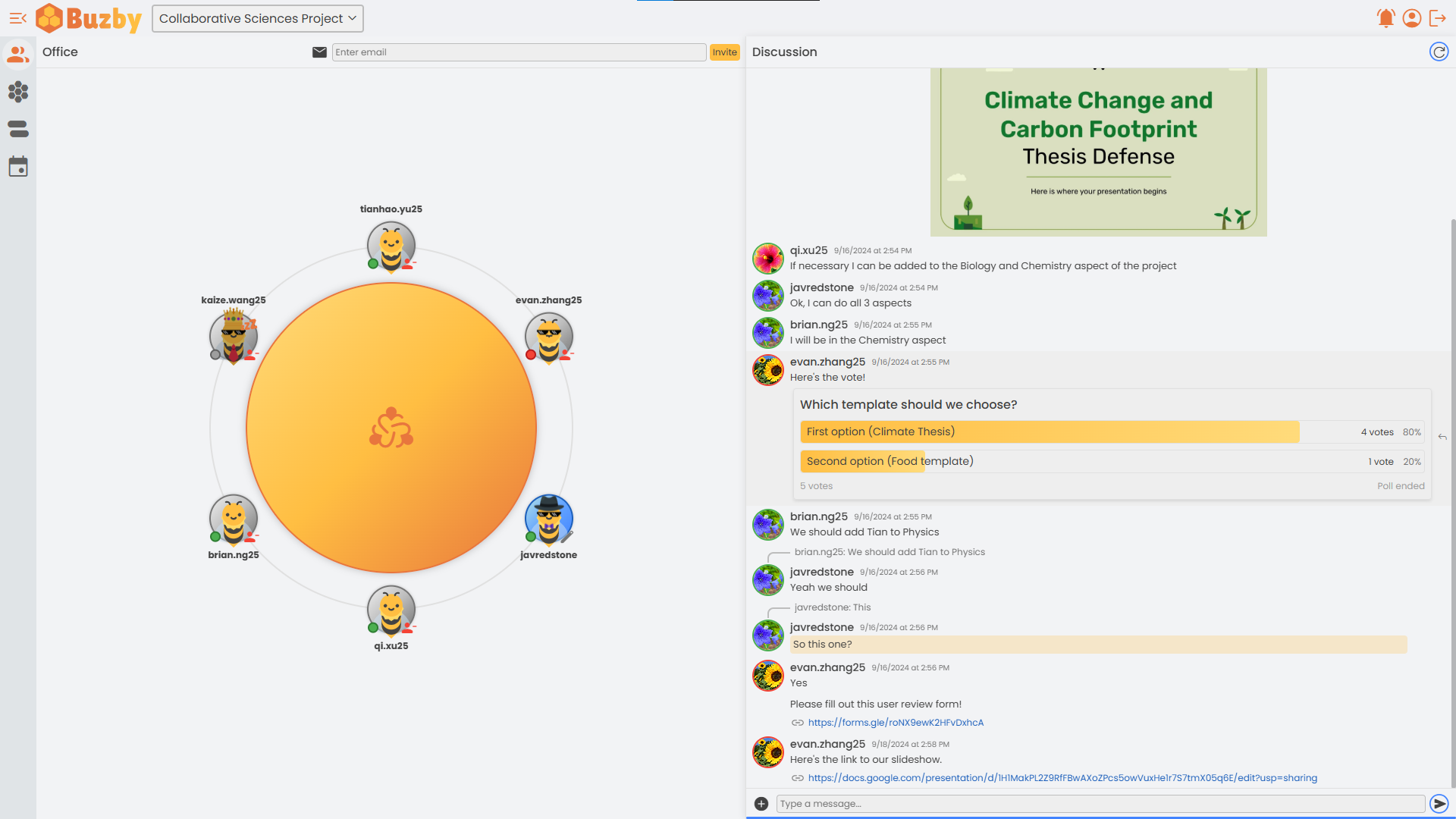
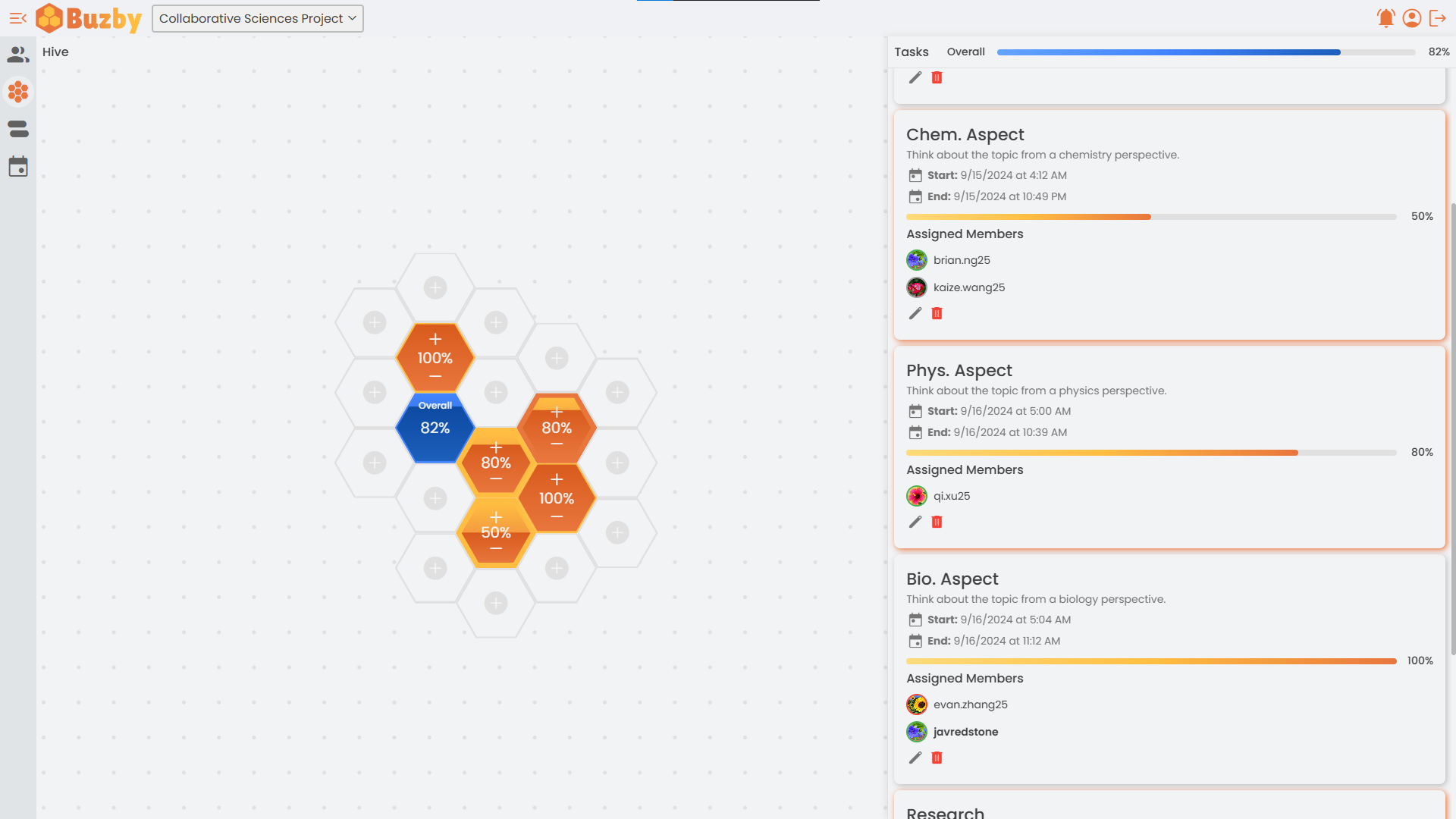
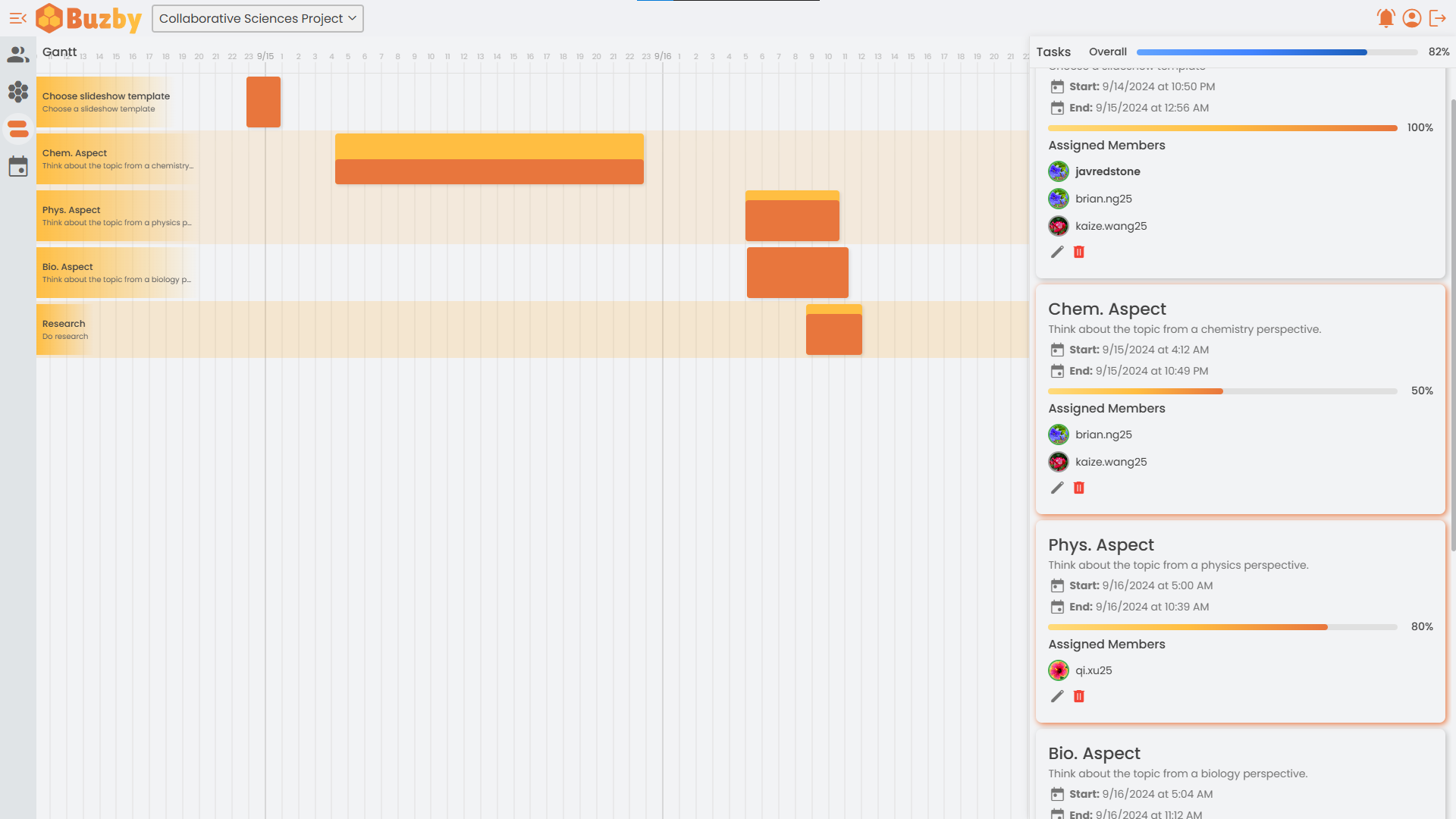
- Designed and developed Buzby, a full-stack SvelteKit web application with Firebase authentication and Firestore integration to streamline group project collaboration.
- Defined features and database schemas based on survey data, building user-friendly frontend components like project invitations, live chat, task lists, Gantt charts, and calendars.
- Continuously refined the app through beta testing and real-world user feedback from the International Baccalaureate Collaborative Sciences Project.
 Partner Sphere arrow_outward
 5th Place Nationally at 2024 FBLA CNLC Coding & Programming Event
GitHub arrow_outward emoji_events FBLA CNLC 2024 Coding and Programming Event, 5th Place National Finalist arrow_outward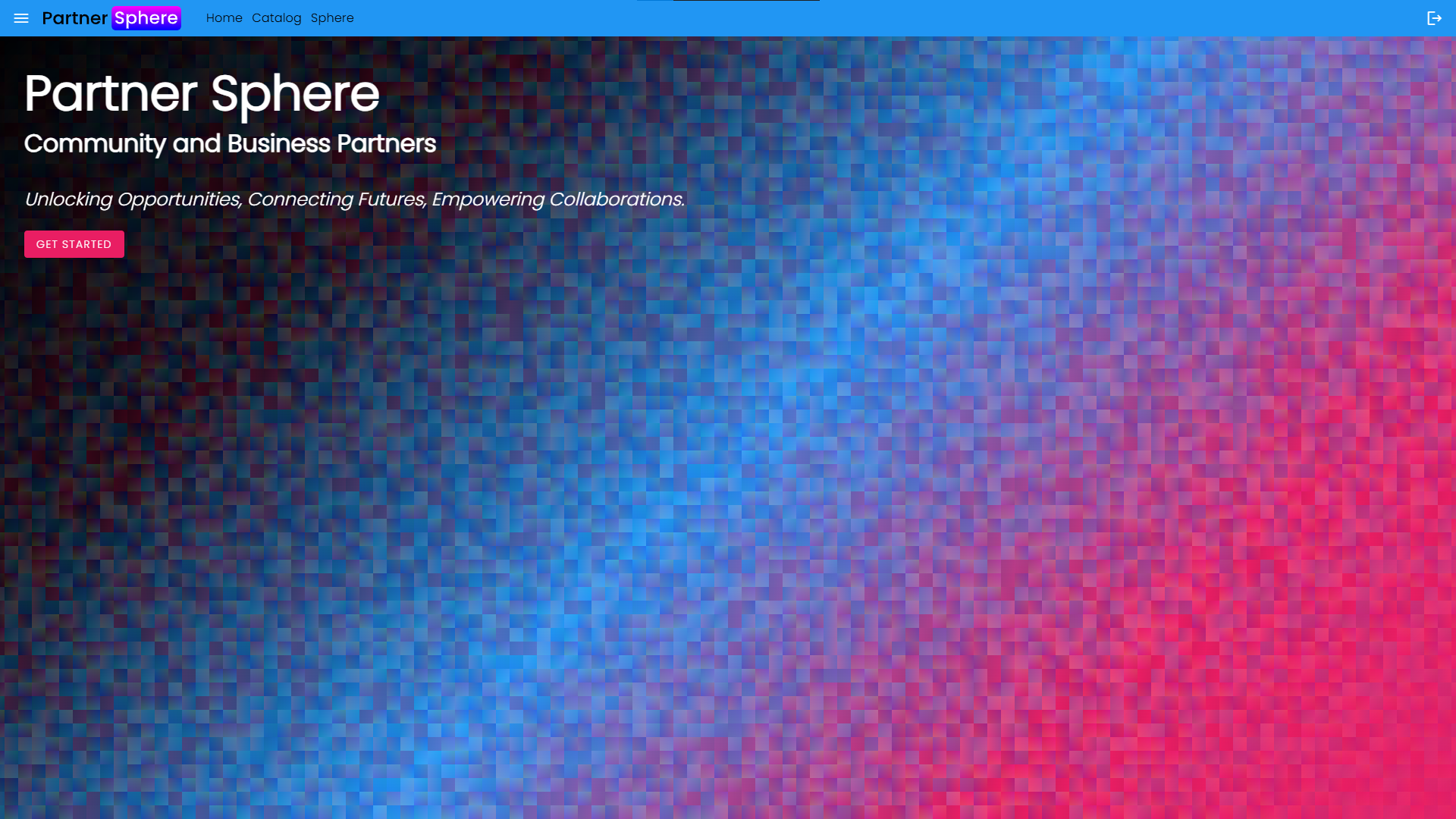
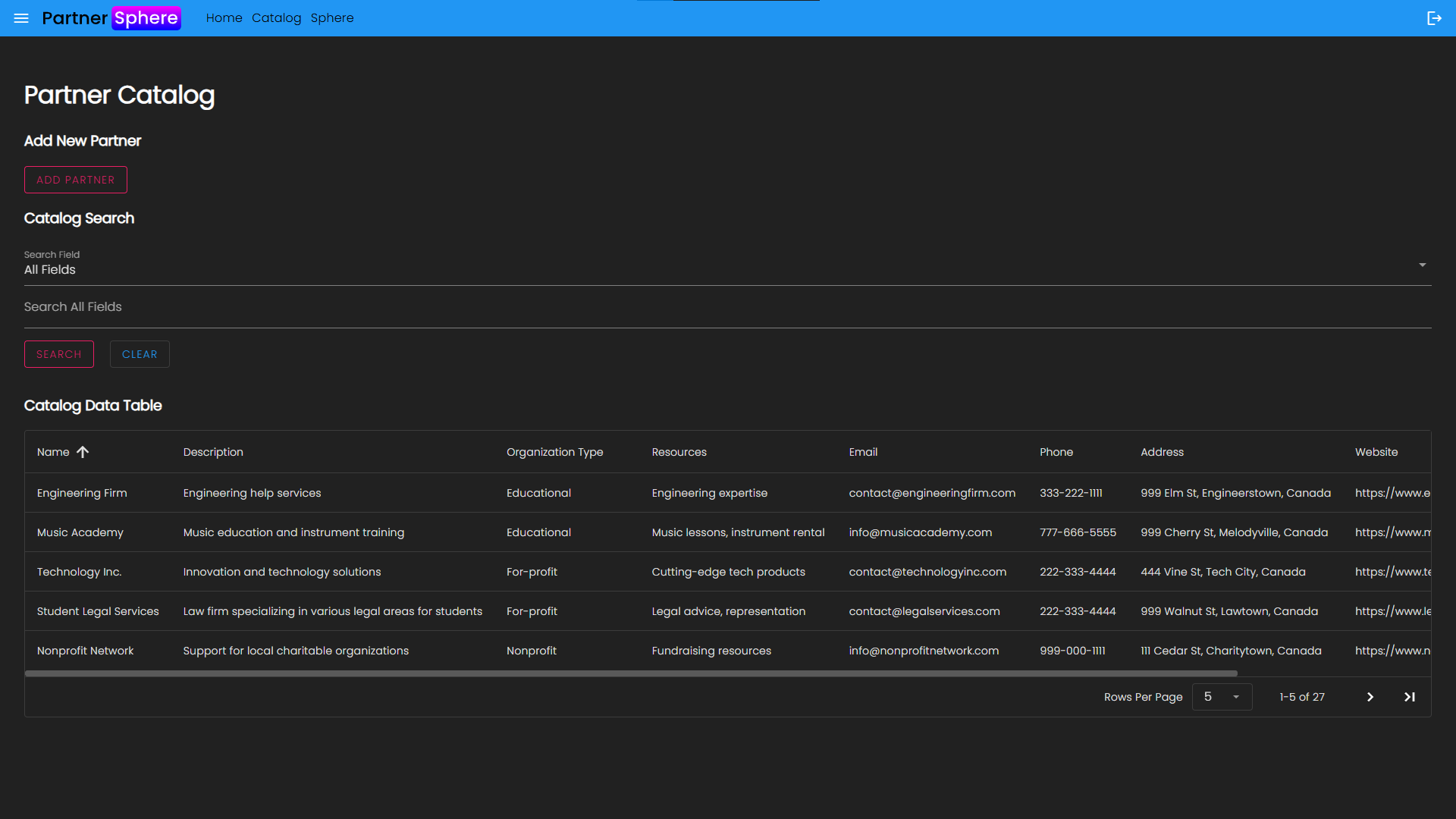
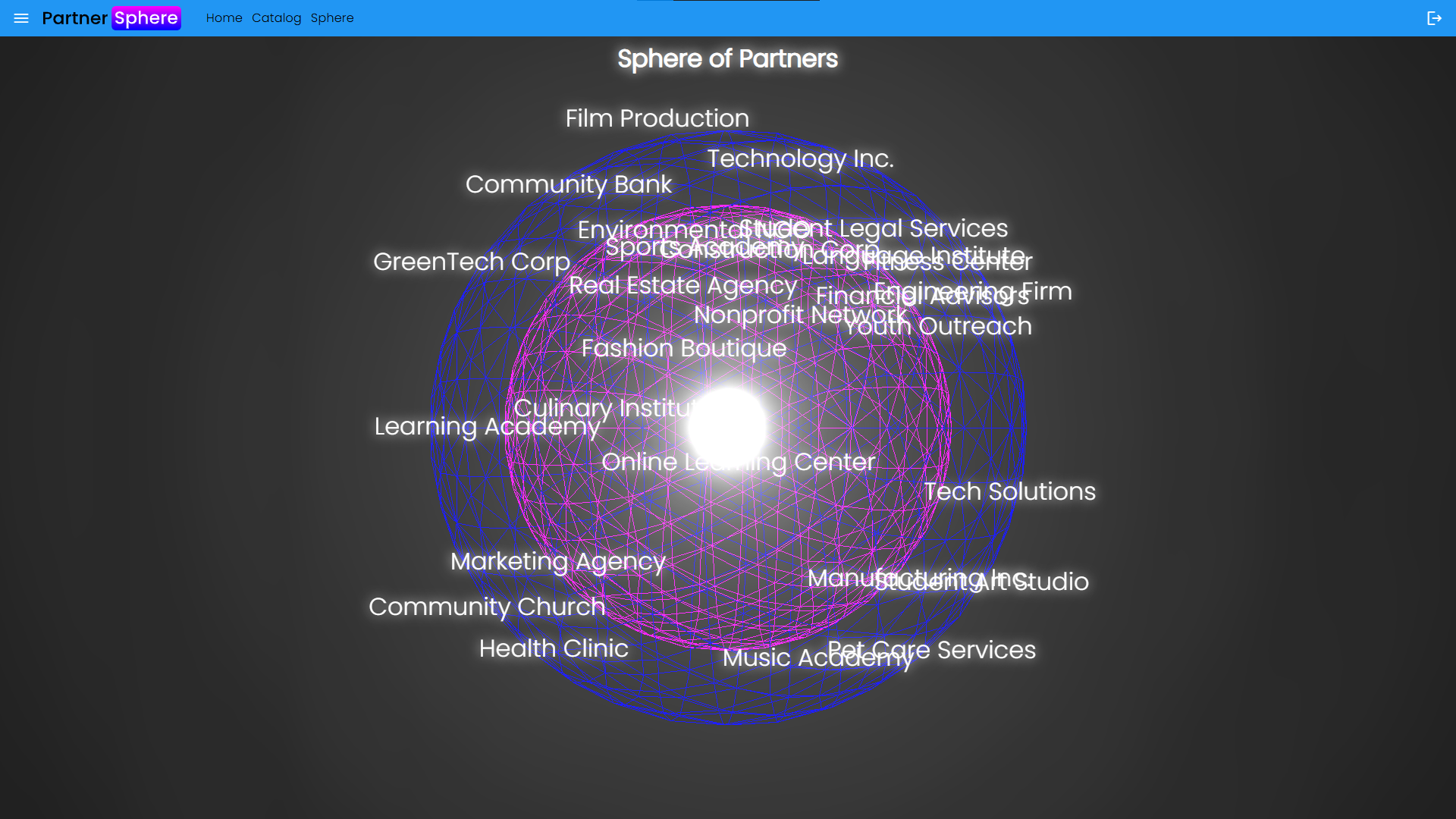
- Partner Sphere is a web application for managing and visualizing business partnerships, awarded 5th place nationally at the 2024 FBLA CNLC Coding & Programming event.
- Developed the full-stack application using SvelteKit with Firebase authentication and Firestore for data management.
- Designed efficient database schemas, implemented searchable and pageable partner catalogs with CRUD pop-ups, created PDF export functionality, and built a 3D spatial visualization of partners using Three.js. Hosted on Cloudflare Pages.
GitHub arrow_outward 

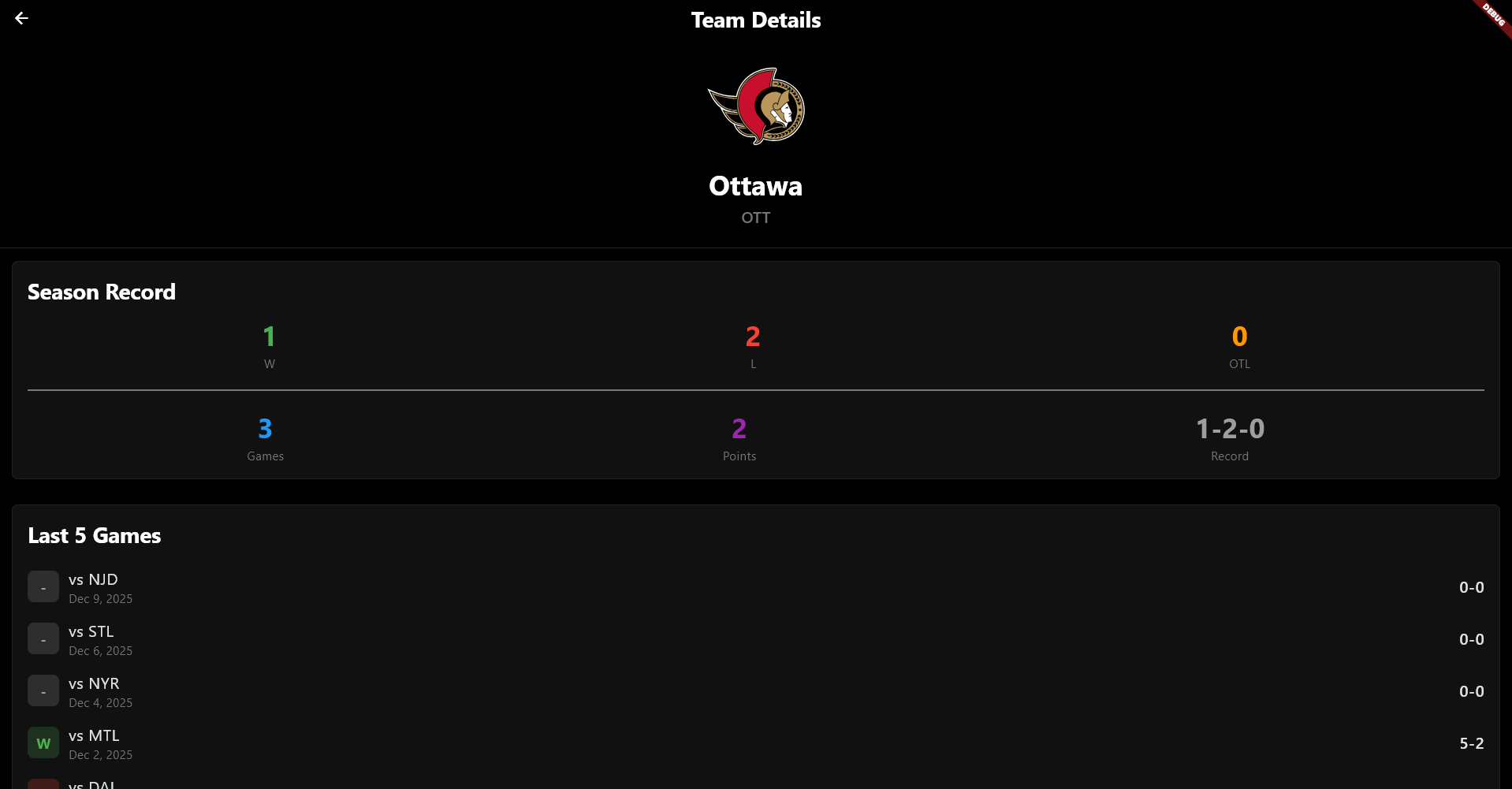
- Developed a full-stack NHL scores application with a Node.js backend ingesting game data from the NHL API into Firestore and a Flutter mobile app displaying real-time scores.
- Implemented idempotent data ingestion with error handling, denormalized team data for optimized read performance, and integrated real-time Firestore streams for live game updates.
- Built comprehensive game list and detail screens with date navigation, team screens showing season records and recent games, and offline support through Firestore cache with connectivity indicators.
 RamsEvents
 7th Place Nationally at 2023 FBLA CNLC Coding & Programming Event
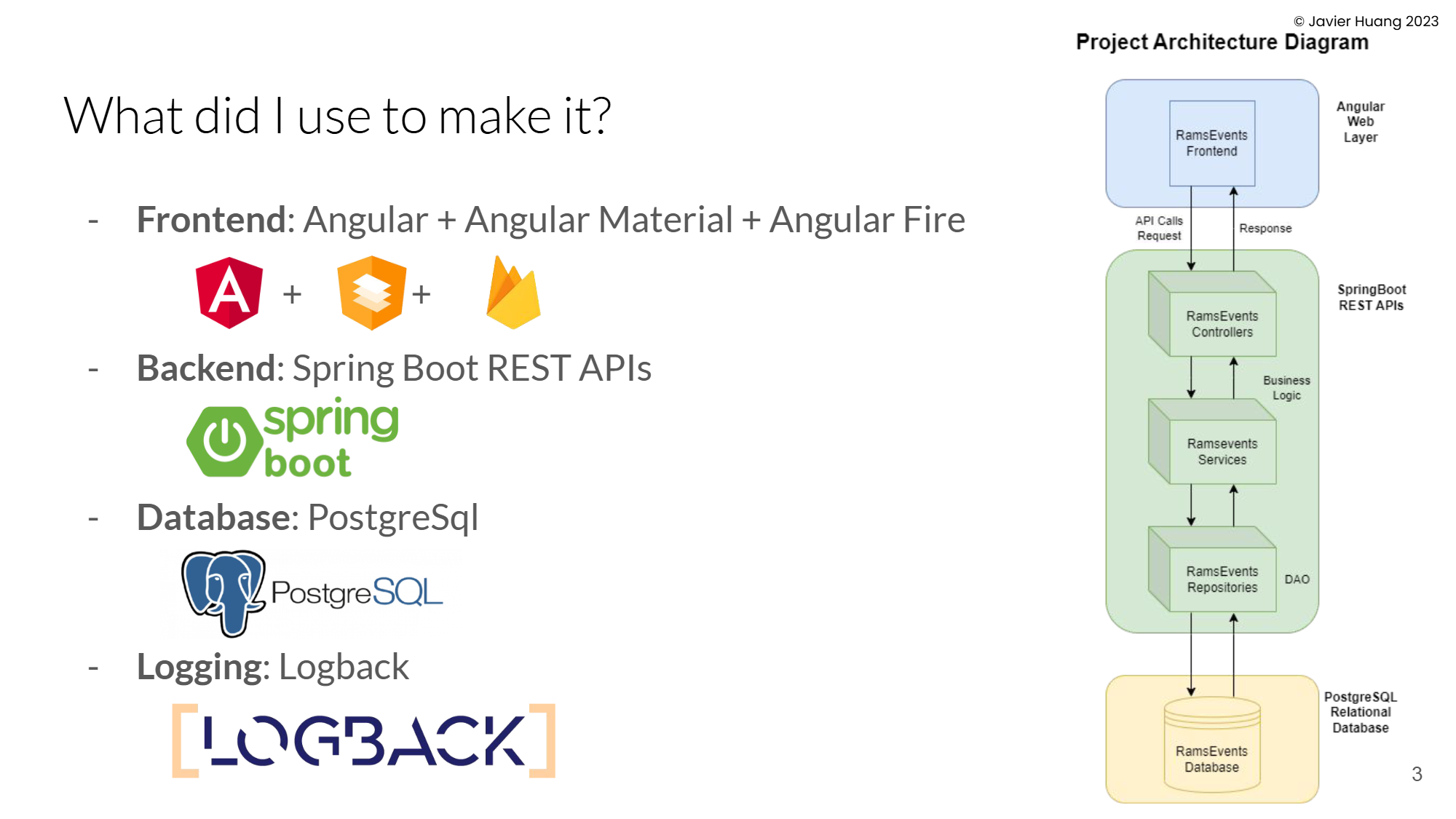
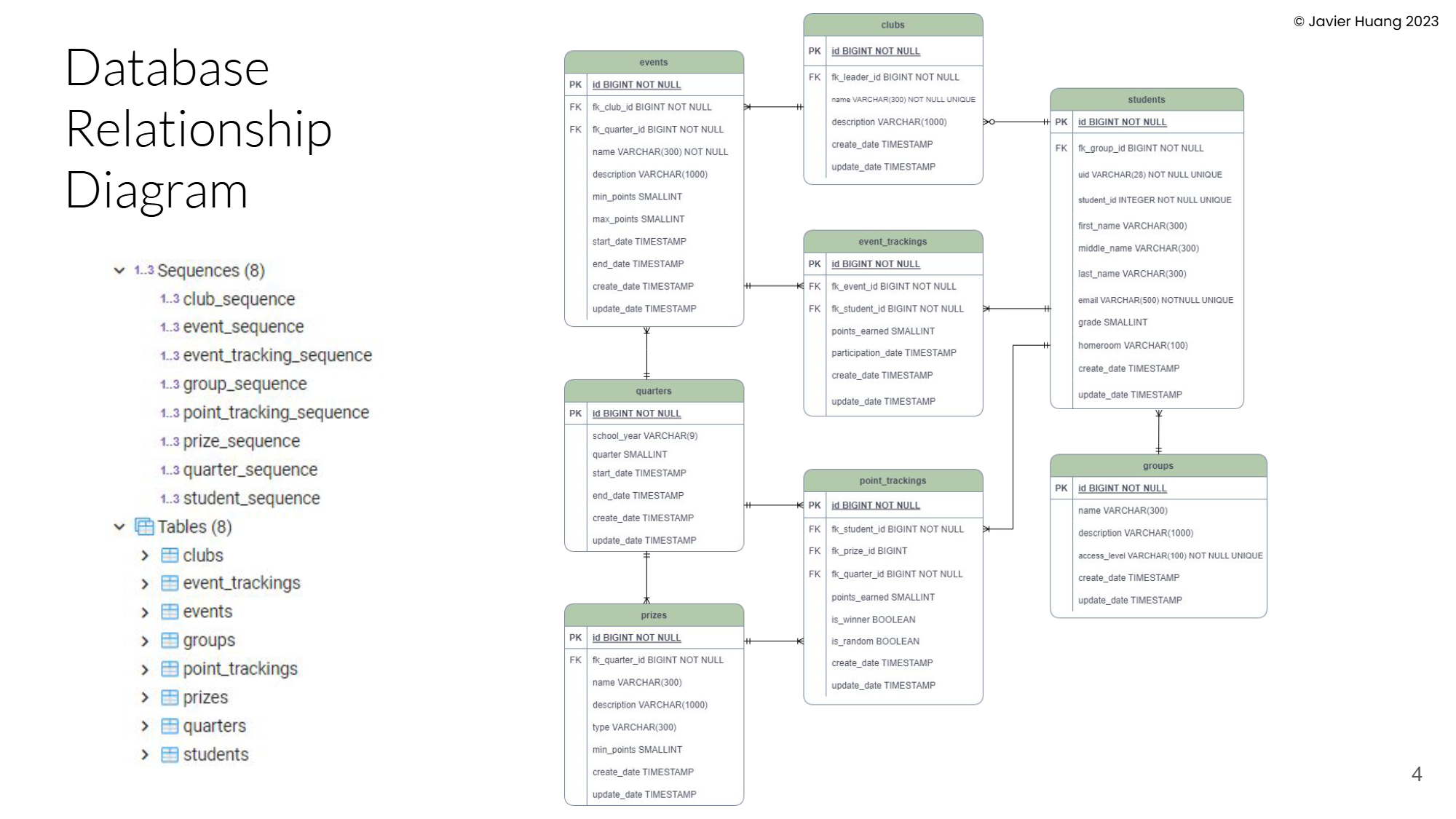
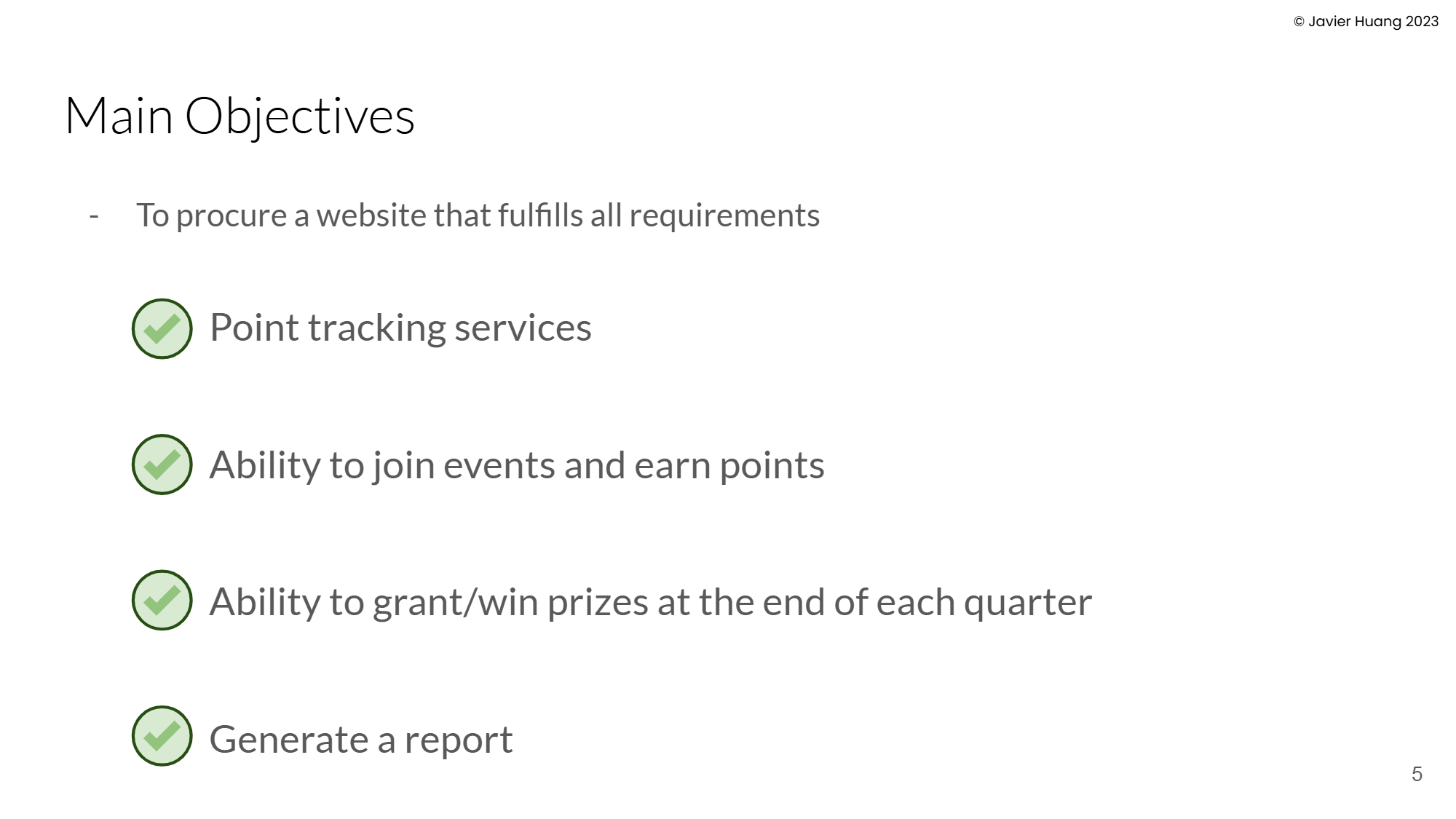
- RamsEvents is a full-stack web application that promotes student involvement by rewarding participation in school activities, awarded 7th place nationally at the 2023 FBLA CNLC Coding & Programming event.
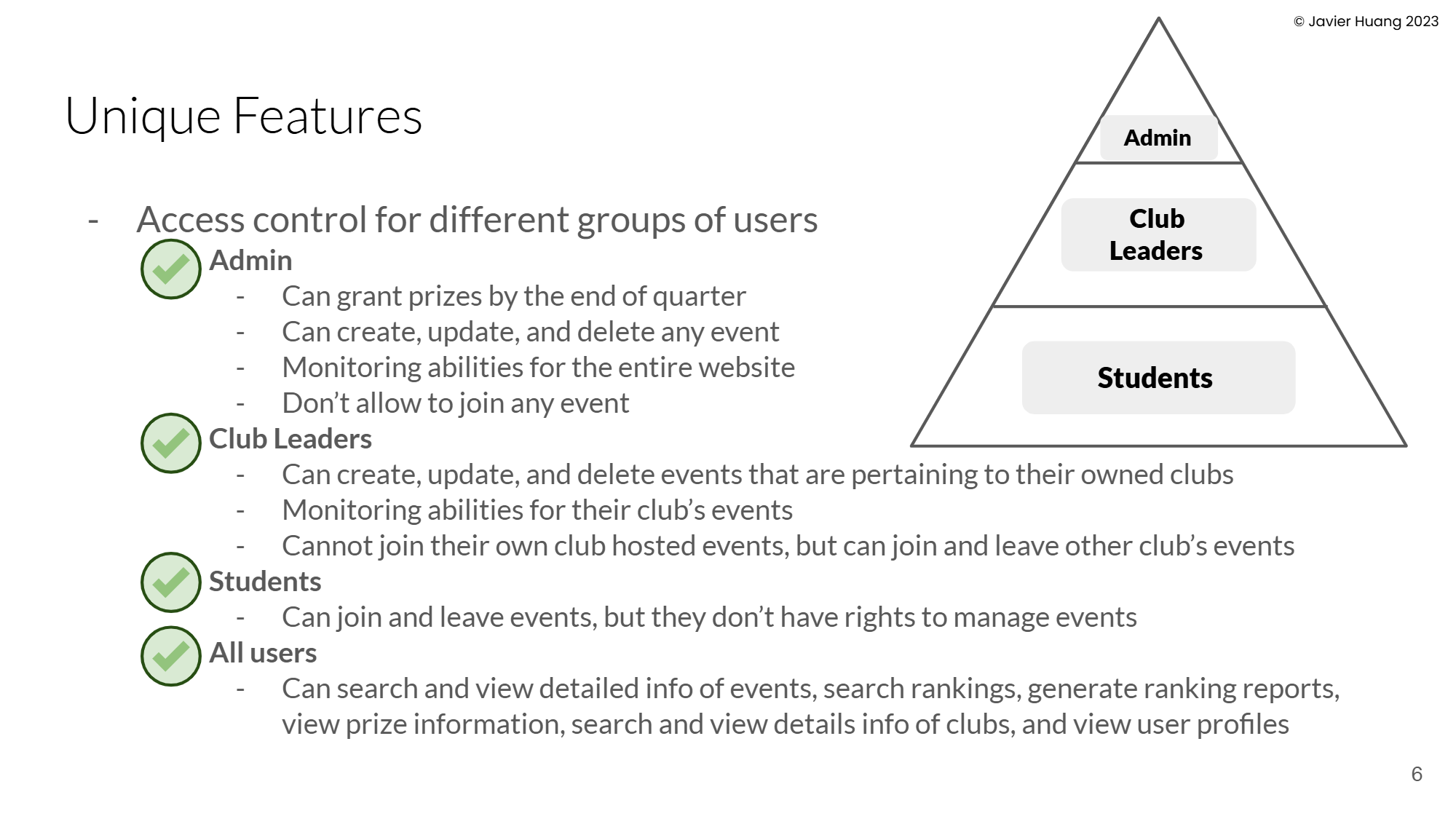
- Built with Angular, Spring Boot, and PostgreSQL, featuring Firebase authentication, secure role-based access control, and scalable RESTful APIs.
- Implemented a modular, searchable, and paginated data table with logic for managing students, clubs, and event winners, along with a PDF report generator categorized by grade.
 AtomVerse arrow_outward
 2nd Place Runners Up at GooseHacks 2023
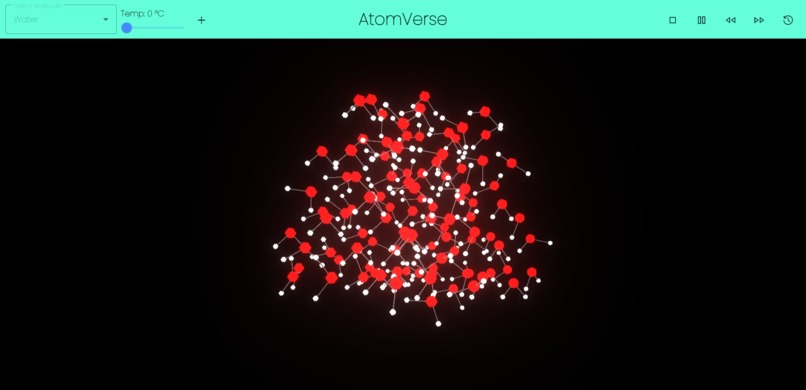
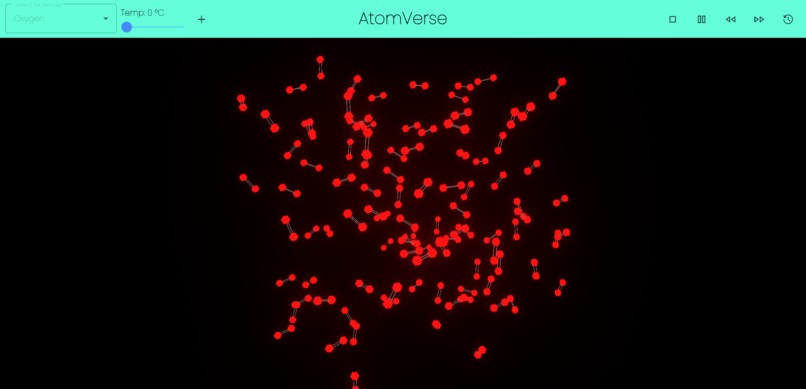
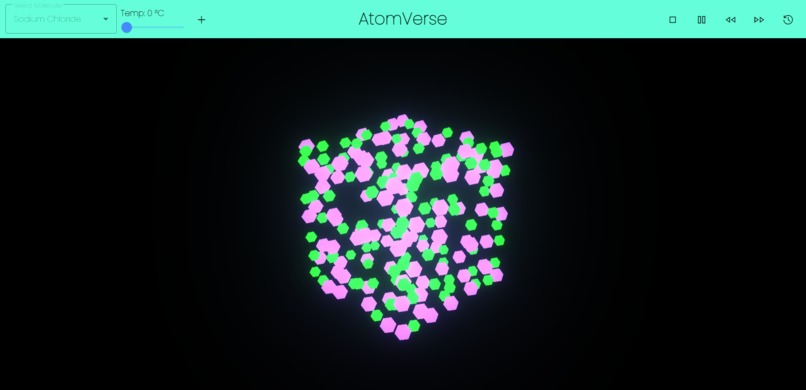
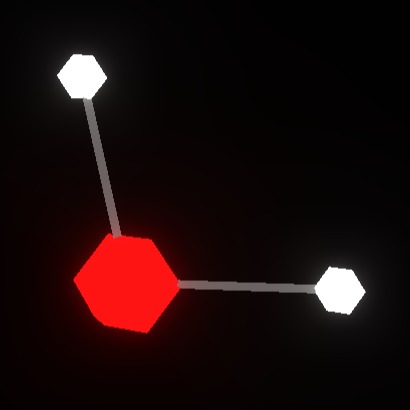
- AtomVerse is a 3D online educational tool designed to visualize molecules interactively. Won second place (Runners Up) out of around 200 international participants in the GooseHacks 2023 hackathon.
- Used Three.js in Angular to create stunning 3D molecule and atom visuals. Implemented a variety of molecular models and adjustable parameters for an interactive educational experience.
- Utilized VSEPR theory to accurately determine bond angles and create different molecular structures, simulating different types of bonds and molecules.
Online Web Games
Interactive games and simulations.
3 projects
 IFT-X arrow_outward GitHub arrow_outward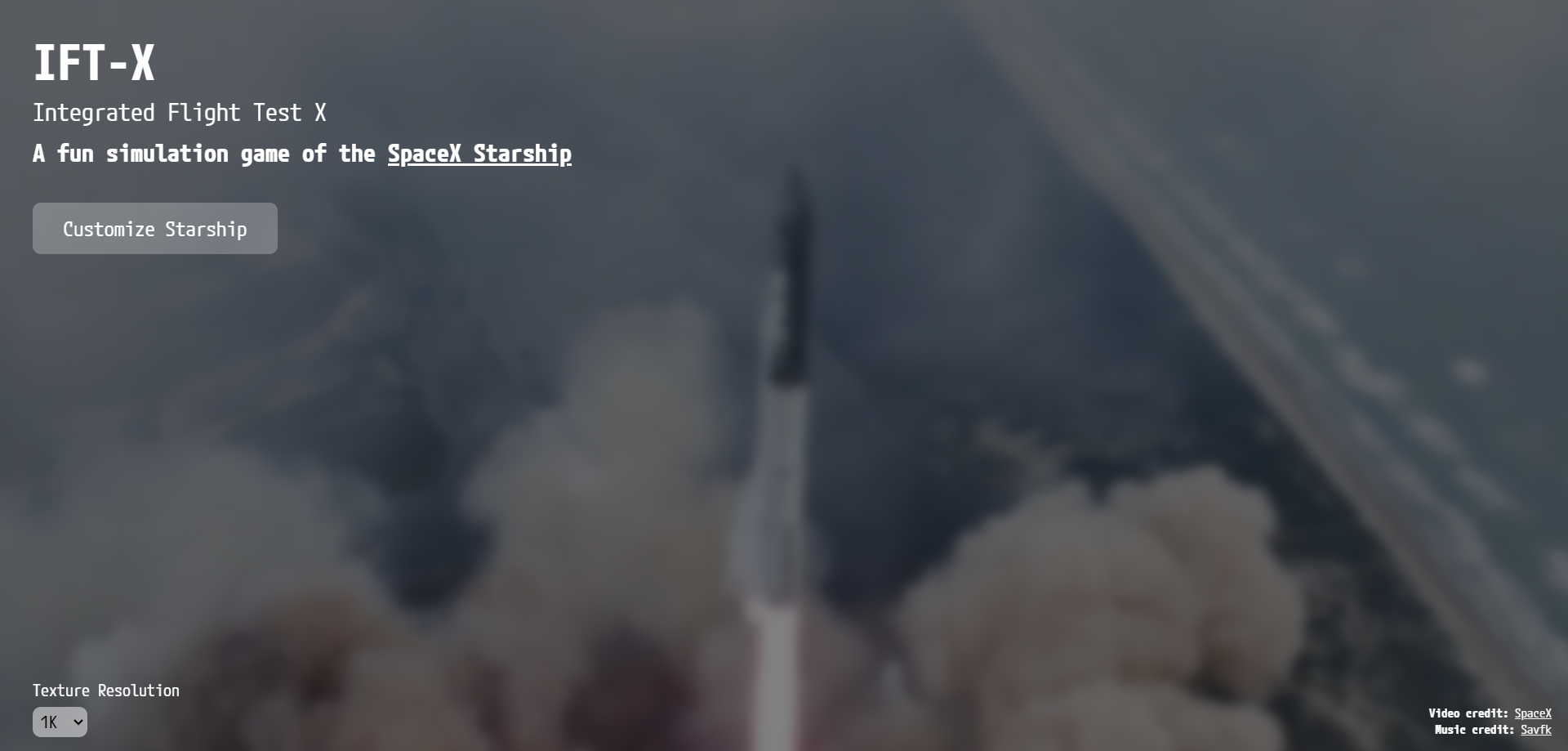
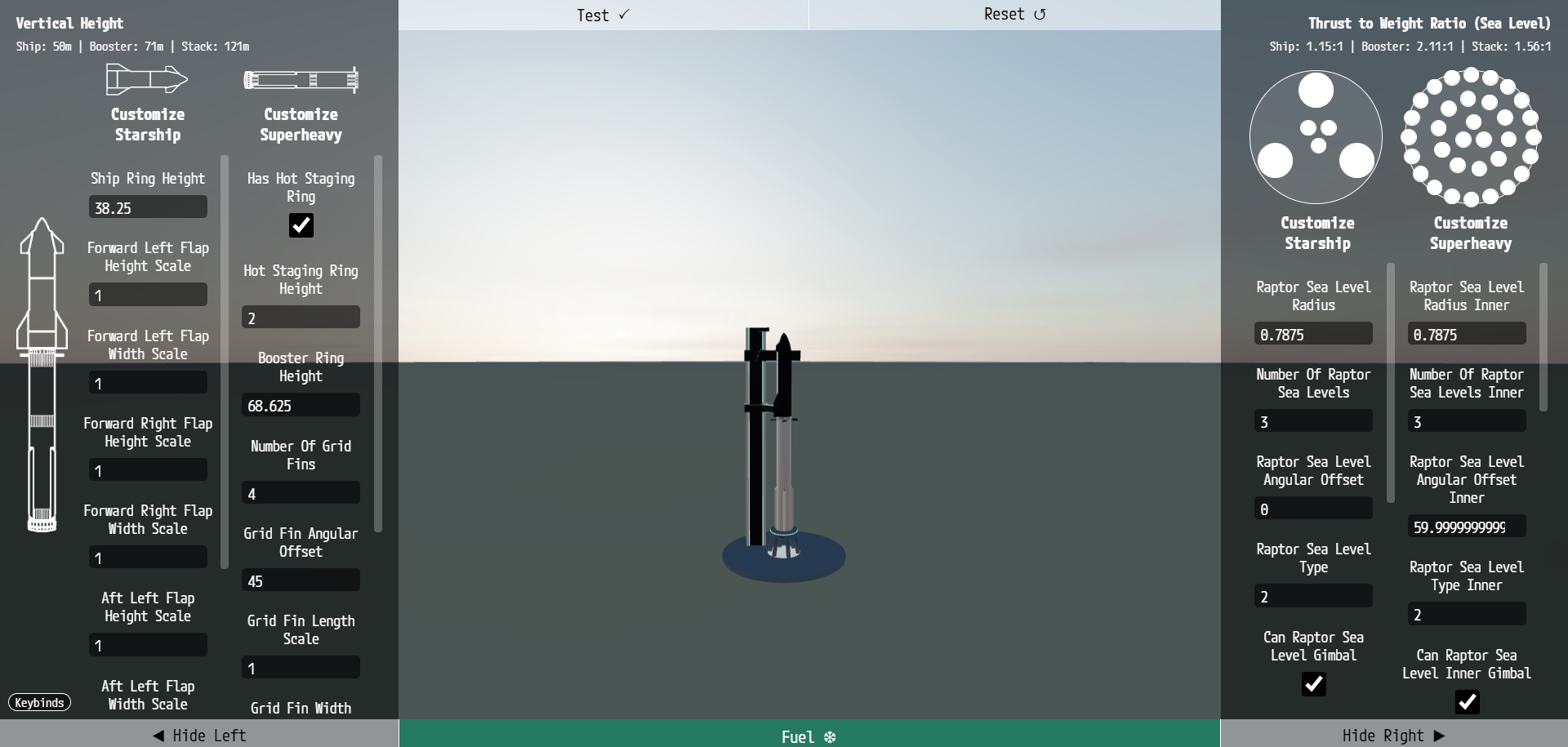
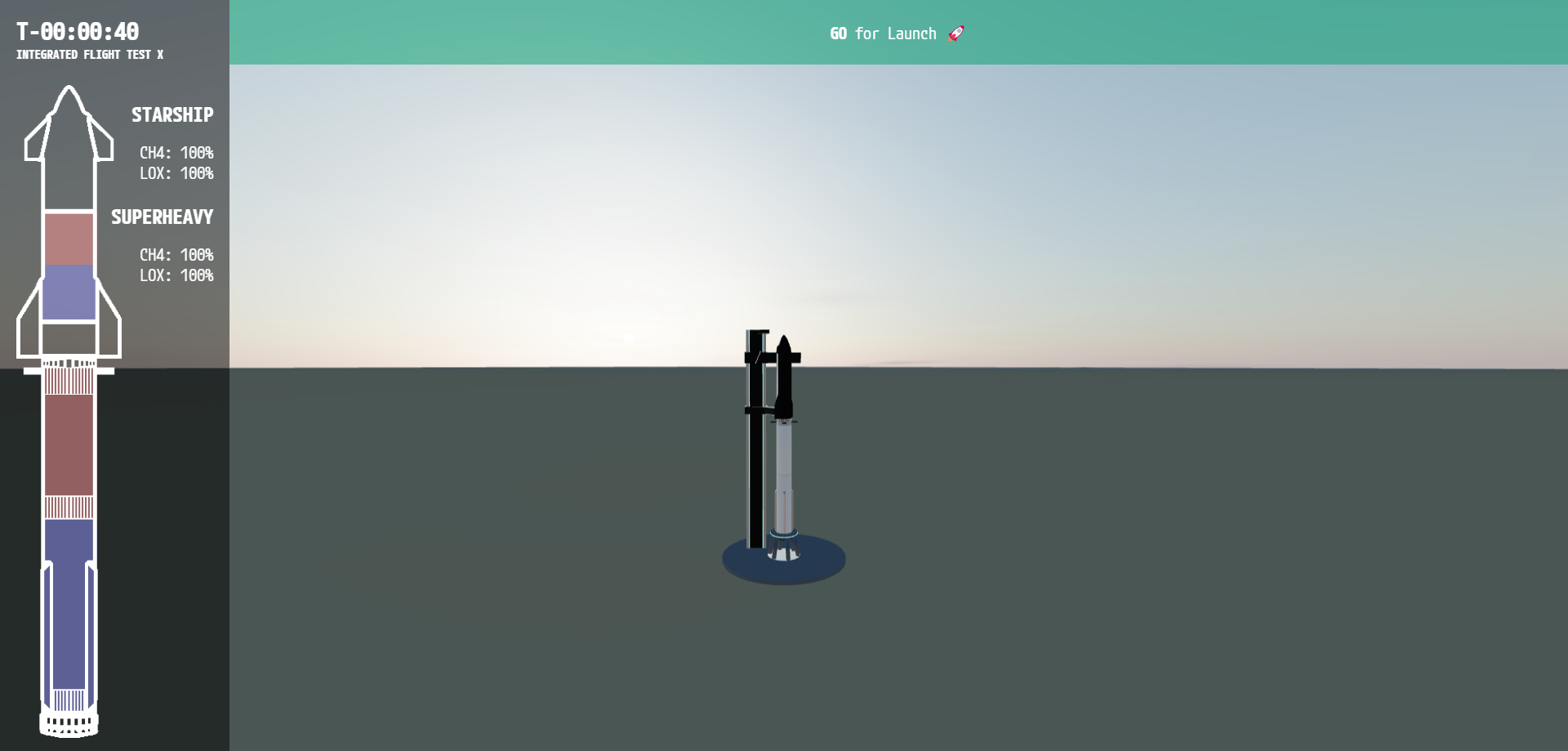
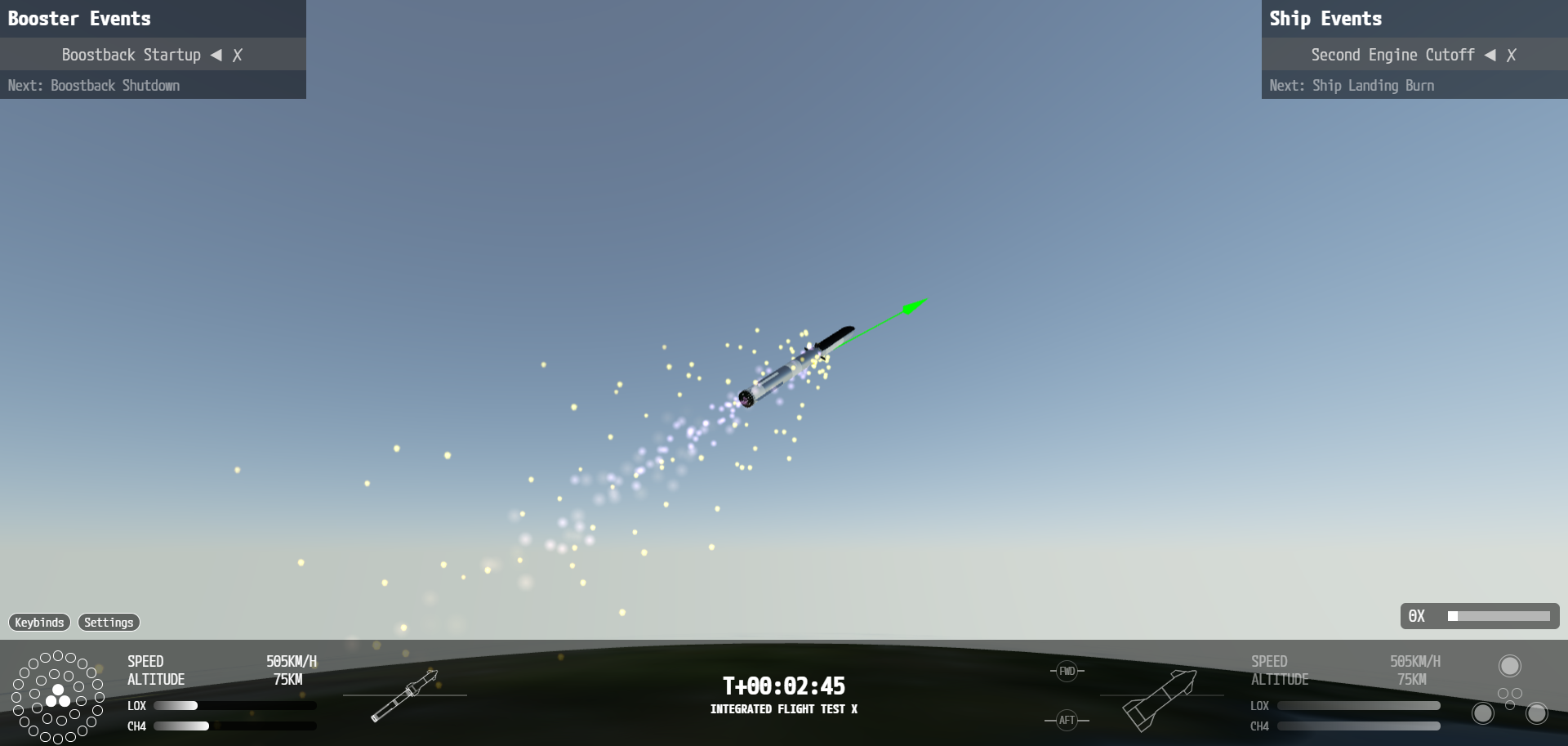
- IFT-X is a 3D web game for rocket enthusiasts that simulates SpaceX's Starship customization and testing process.
- Developed interactive 3D features using SvelteKit and Three.js, hosted on Cloudflare Pages.
- Designed and implemented a seamless UI, created a custom physics engine simulating realistic rocket flight dynamics, and integrated the Nebula particle system for advanced 3D effects.
 Booster Catch arrow_outward GitHub arrow_outward
 - Booster Catch is a 3D web game that simulates SpaceX's Starship SuperHeavy booster Mechazilla tower catch landings.
- Developed and integrated a custom and accurate physics engine for simulating the various forces involved in booster landings, and custom 3D PID controllers for controlling both the launch tower arms and the booster position and attitude through rocket engine gimbaling and grid fin rotation.
 RunX arrow_outward GitHub arrow_outward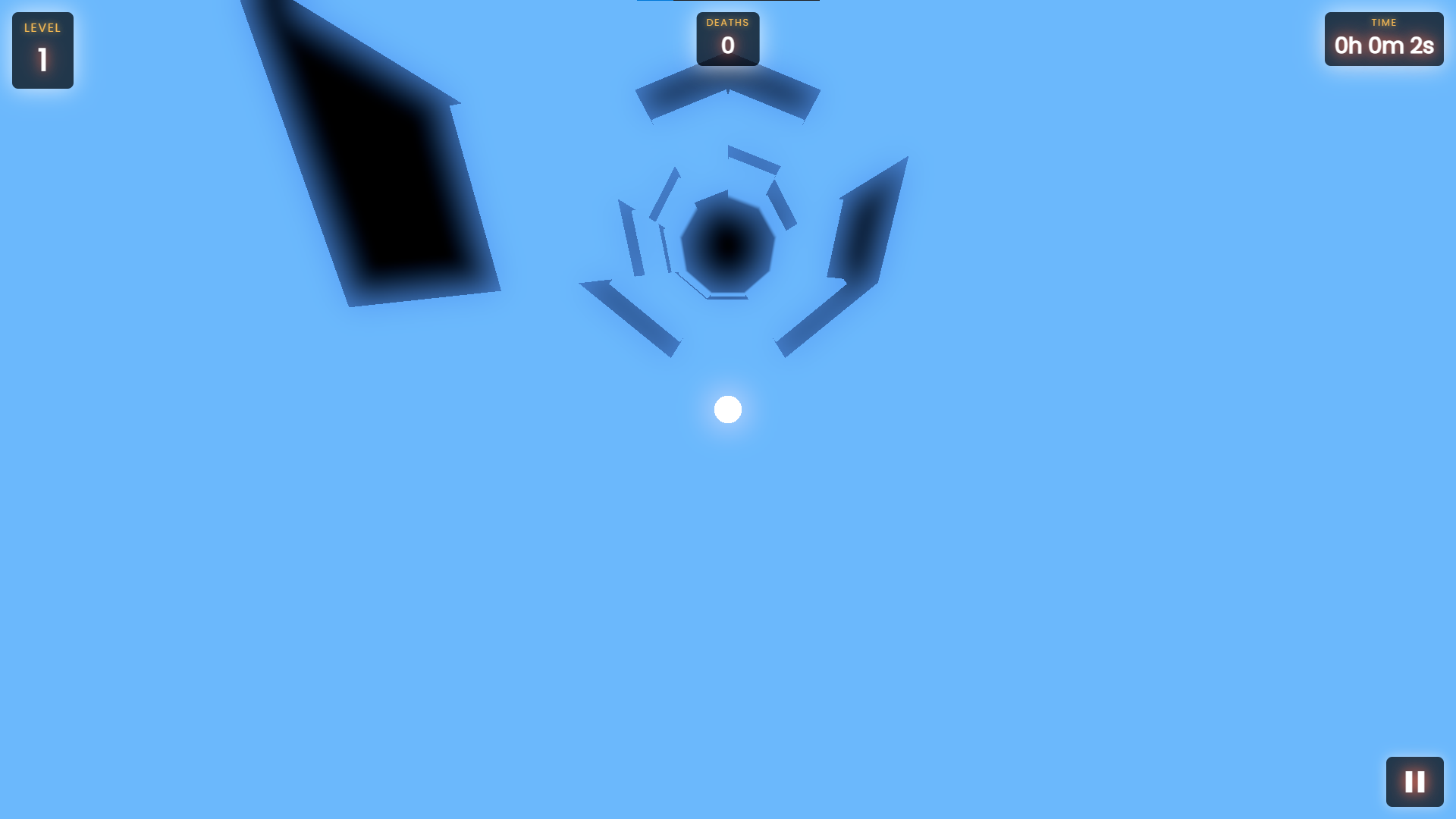
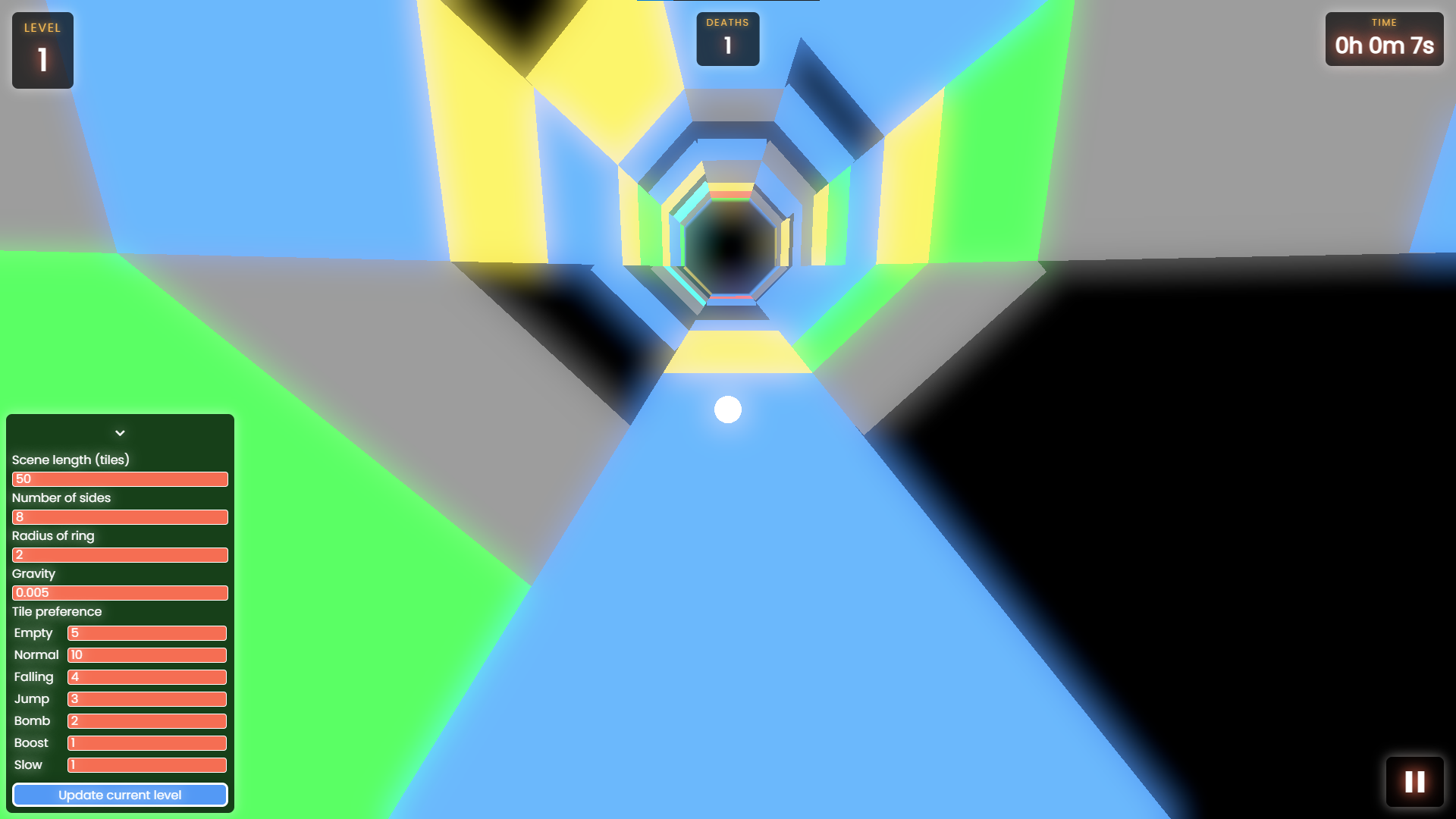
- RunX is a modern web game reimagining of Run 3, featuring enhanced gameplay and a popular sandbox mode that encourages creative freedom.
- Rebuilt using Three.js with improved visuals and performance, implemented dynamic object rendering, added unique tile types and game modes, and deployed on Cloudflare Pages.