AI & ML Research
3 items

SceneClarity: A Unified Framework for Scene Reliability Estimation and Classification in Autonomous Vehicle Perception
UTMIST Machine Learning Project ML Research Project August 2025 – April 2026
PyTorchTensorFlowScikit-learnPandasNumPyDockerREST APIsNext.jsReactGitHubVSCodeJupyter NotebookGoogle ColabJira
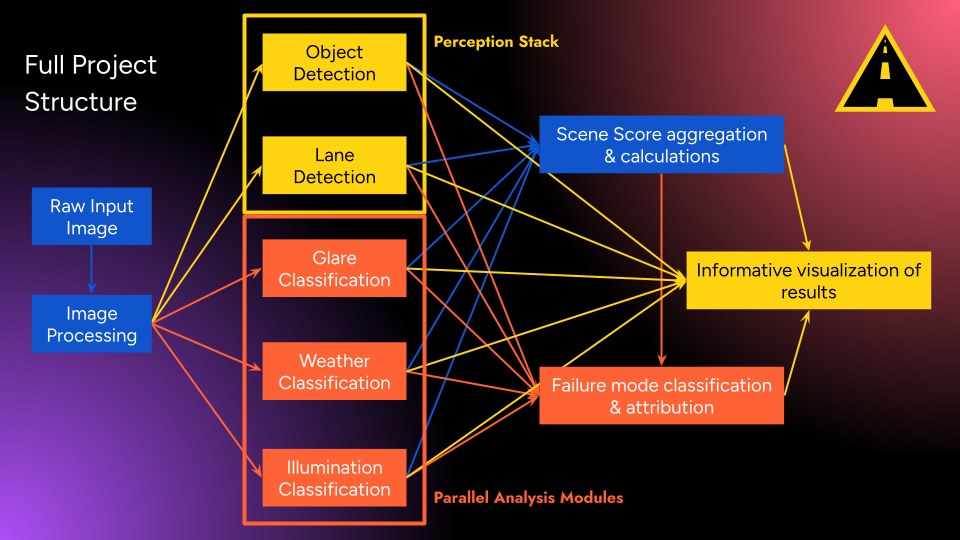
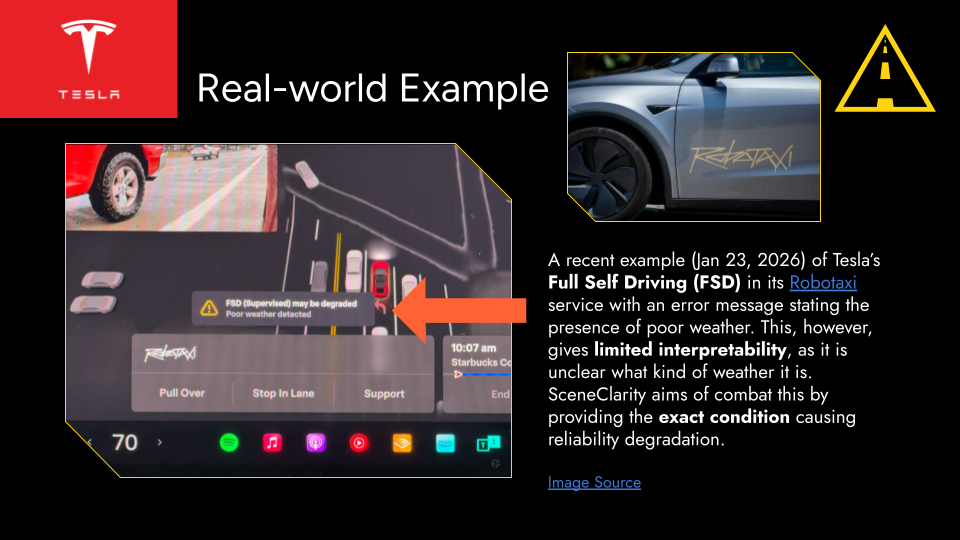
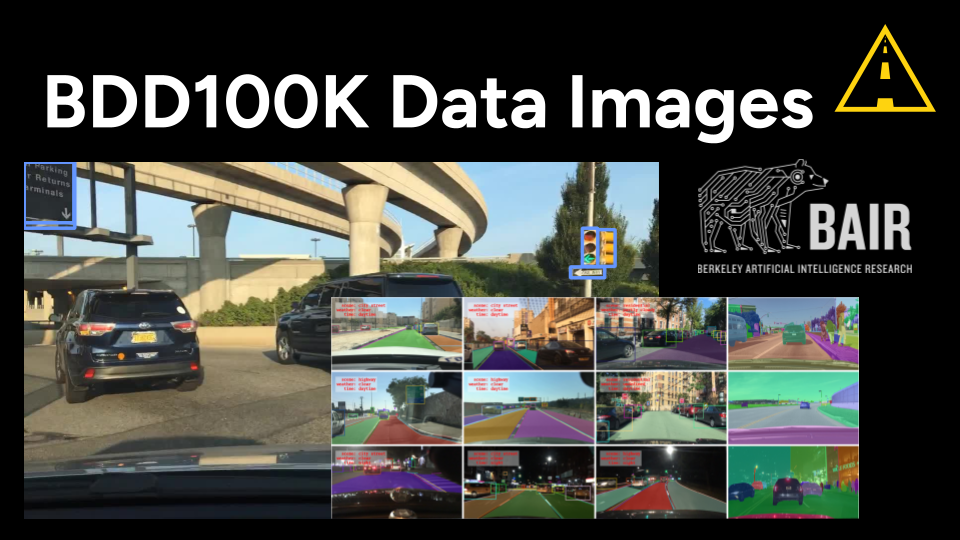
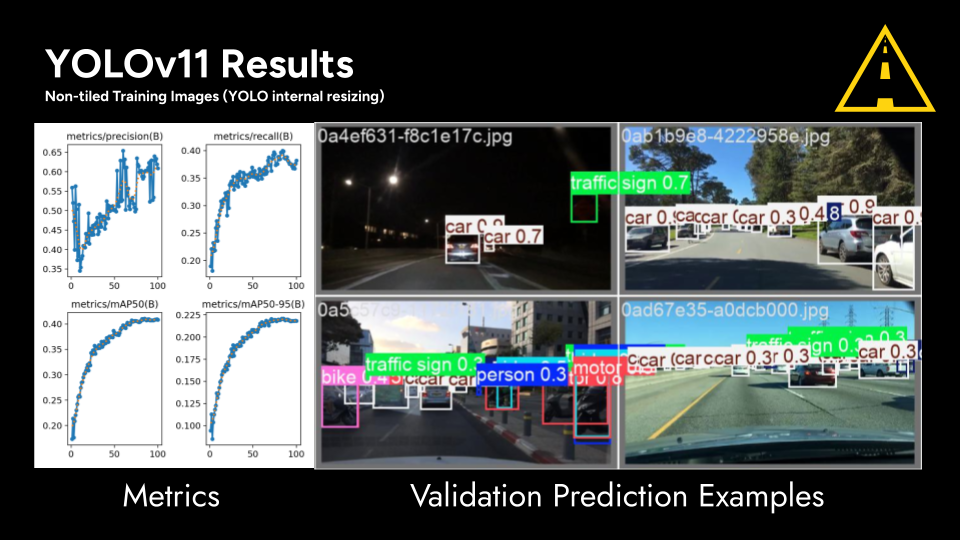
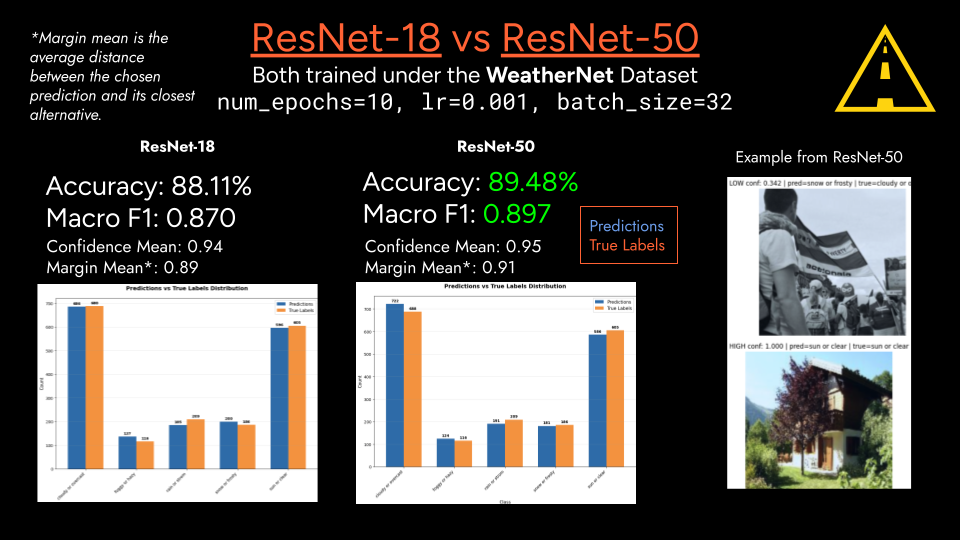
- Led the development of the SceneClarity machine learning project, a modular framework for estimating scene-level reliability in autonomous vehicle perception, addressing degradation under adverse conditions such as fog, rain, snow, and glare where failures often co-occur and are difficult to diagnose at the system level.
- The architecture separates perception, environmental inference, and aggregation modules through a fixed interface, allowing components to be replaced without redesigning the aggregation logic.
- Introduces a framework that aggregates perception outputs and environmental signals into a global reliability score with attribution to likely degradation factors, representing reliability as a decomposition over semantically interpretable scene-level components, unlike per-prediction uncertainty methods.
- Implemented as a real-time system producing structured outputs and visualizations to support failure analysis, safety monitoring, and debugging.
Vision Transformer (ViT-B/16) Architecture Implementation arrow_outward
 GitHub
 PythonPyTorchTorchvisionTorchinfoNumPyMatplotlibPILKagglehubJupyter NotebookGoogle ColabGitGitHub
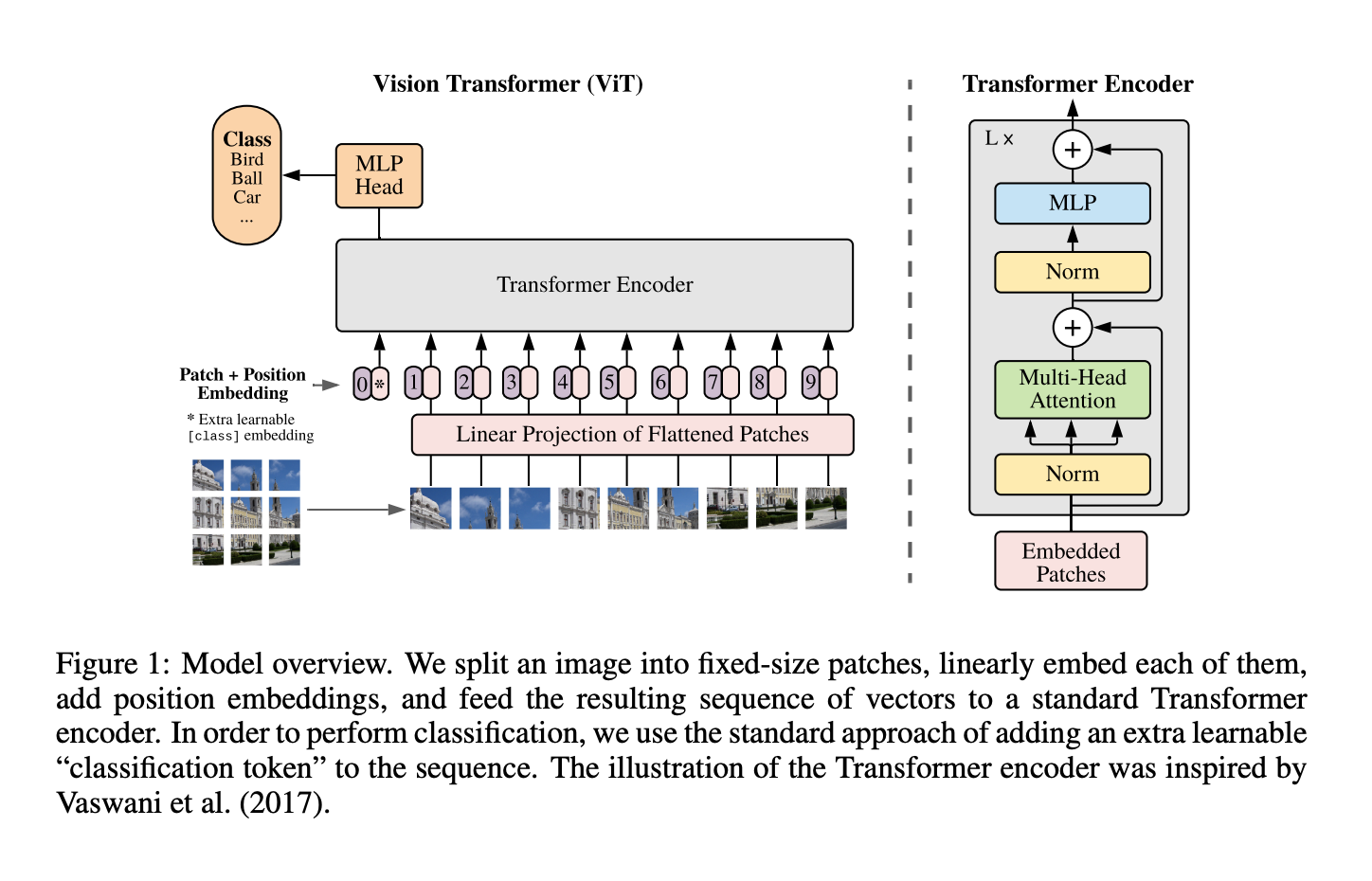
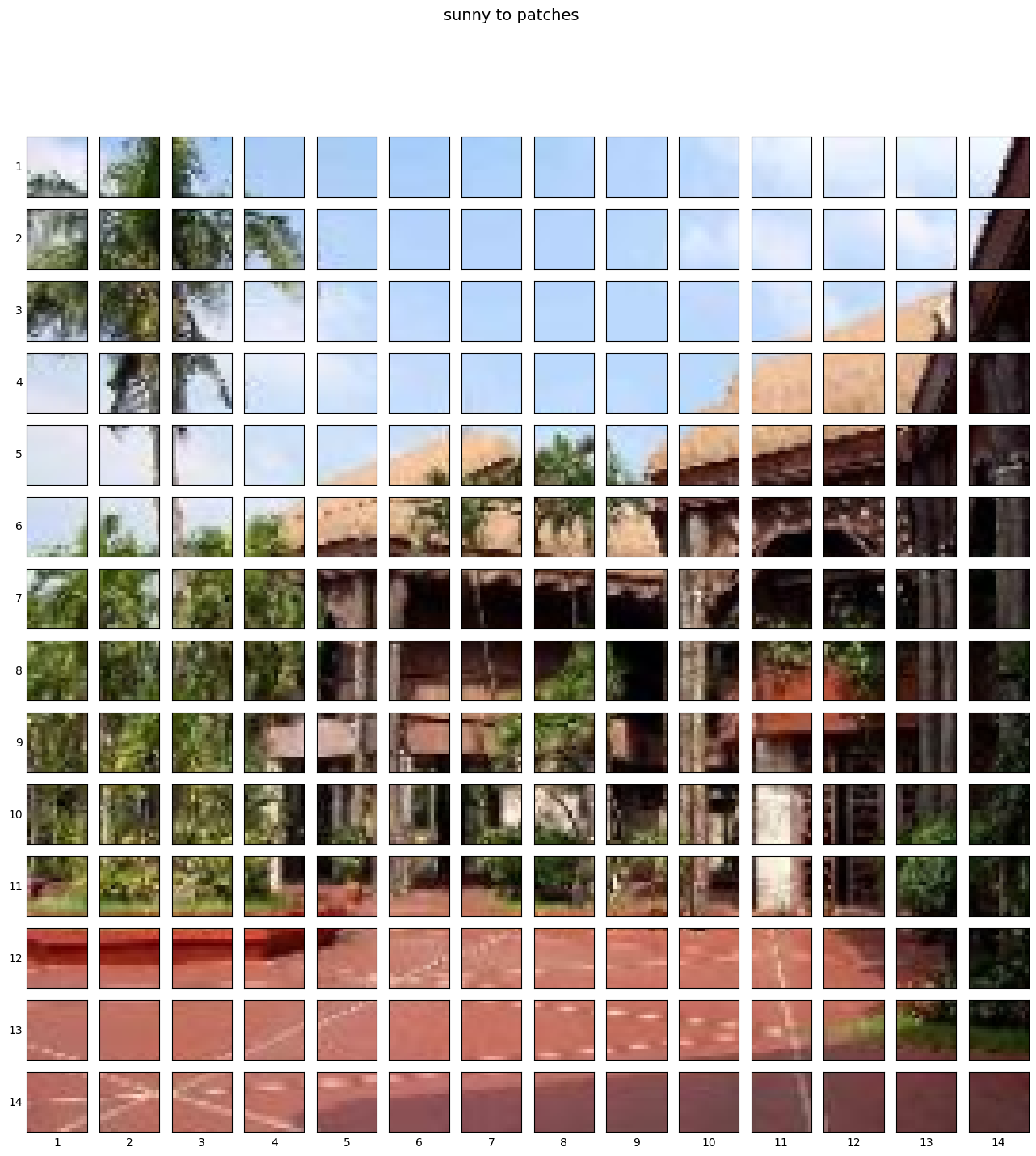
- Implemented the Vision Transformer (ViT-B/16) architecture from scratch in PyTorch, following the paper "An Image is Worth 16x16 Words: Transformers for Image Recognition at Scale." Manually built all core components, including convolutional patch embeddings, class and positional embeddings, Multi-Head Self-Attention (MSA) and MLP blocks with Layer Normalization (LN) and residual connections, as well as the final classification head.
- Used the equations and architectural definitions from the original paper to reason about data flow and tensor transformations throughout the model, explicitly tracking tensor shapes step-by-step from input images to output classification in order to ensure correctness and deepen understanding of the model structure.
- Validated the implementation end-to-end by training the model from scratch on a 5-class weather image classification dataset sourced from Kaggle. Documented training simplifications relative to the paper and compared the custom implementation with PyTorch's built-in ViT.

Autonomous Vehicle Path Planning, Deep Learning & Ethics
International Baccalaureate Programme IB Extended Essay November 2023 – February 2025
PythonTensorFlowPyTorch
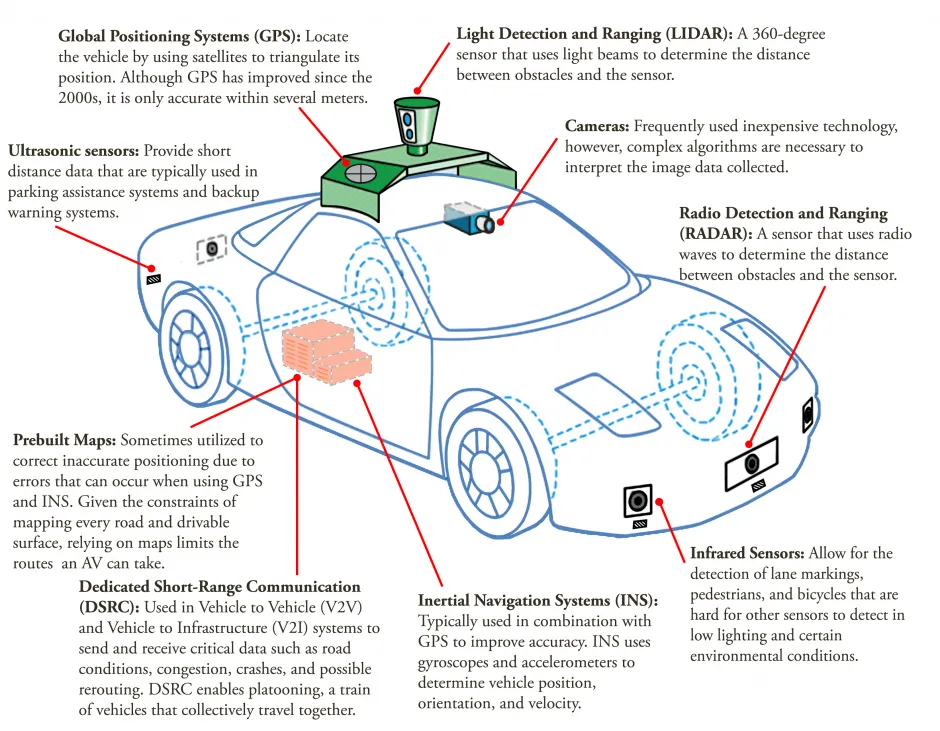
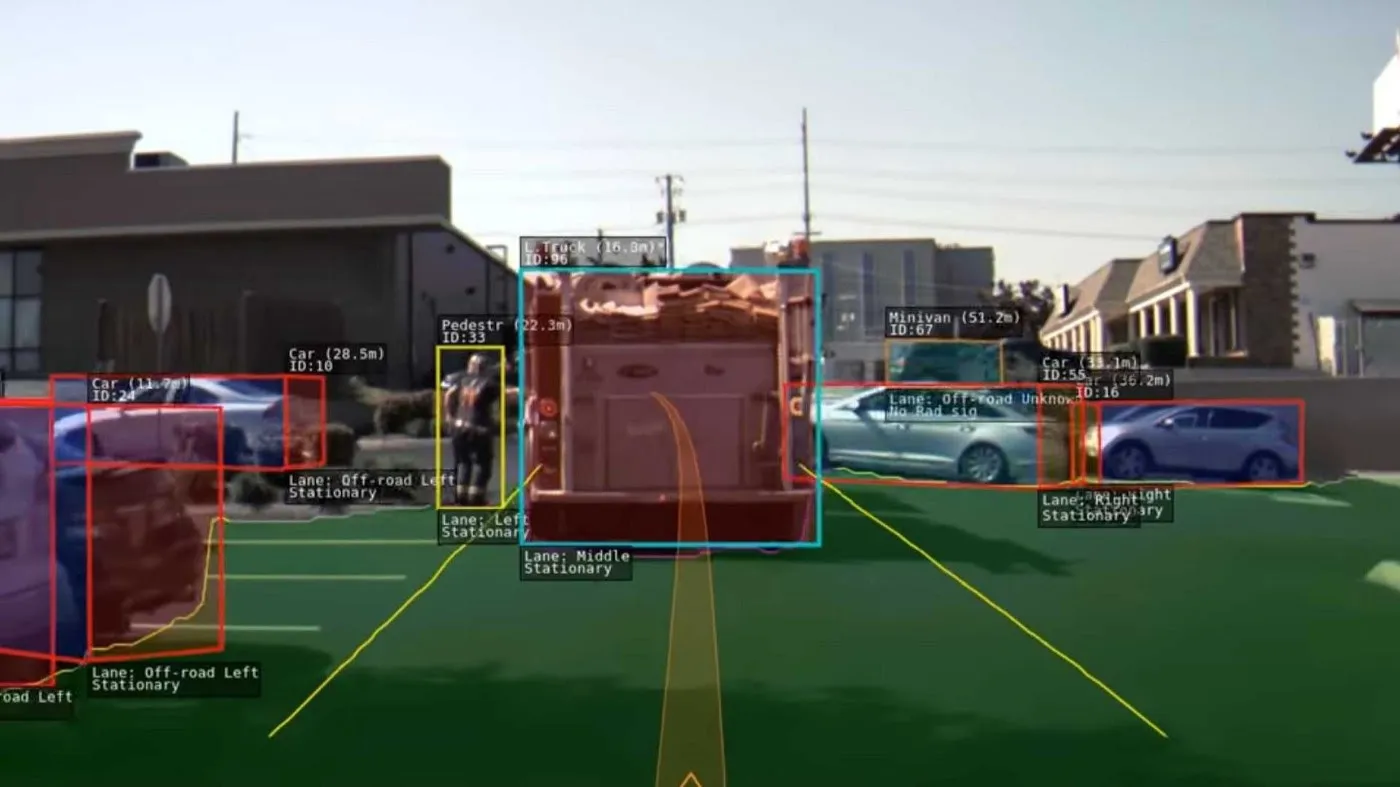
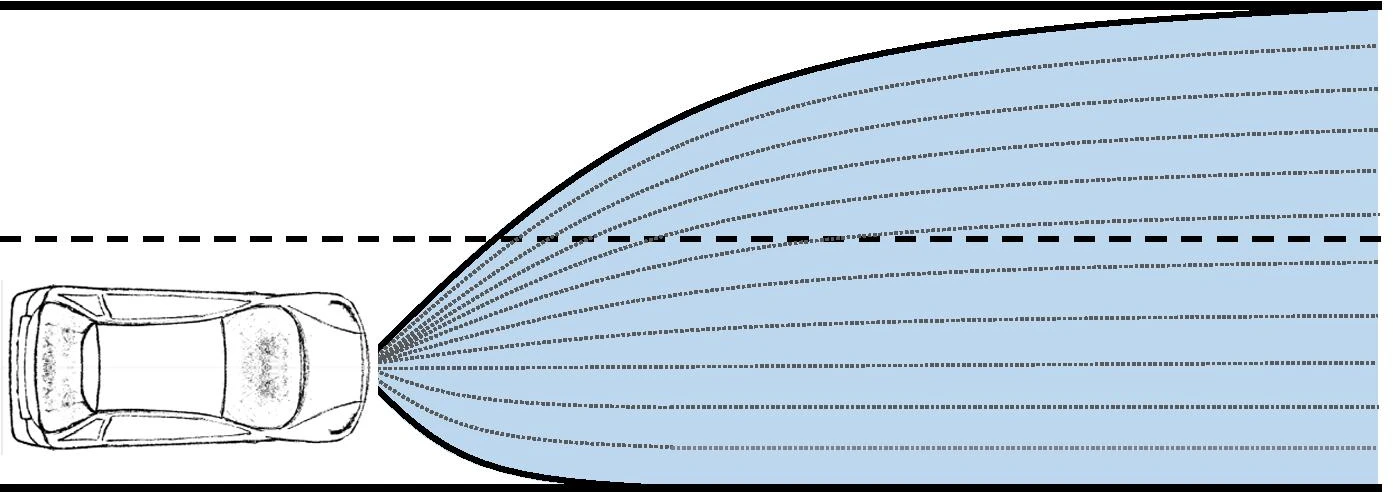
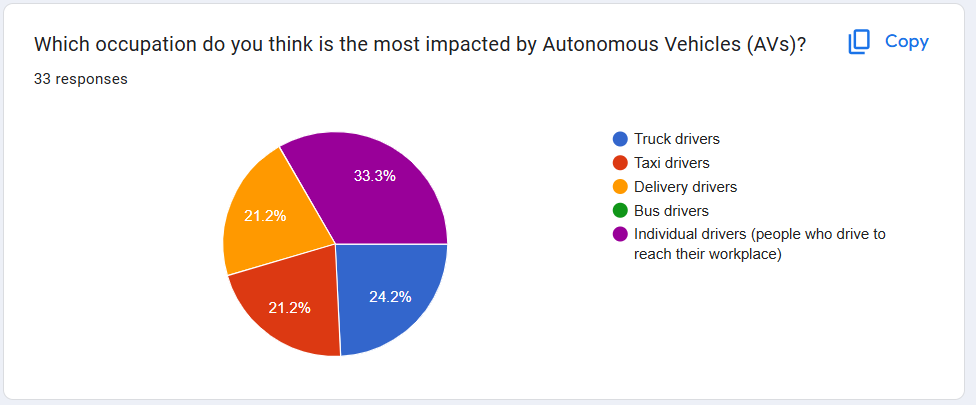
- Produced a 4000-word research paper evaluating the societal, ethical, and regulatory impacts of autonomous vehicles (AVs) through empirical research and academic literature. Analyzed deep learning applications in AV perception and path-planning systems, assessing both technical capabilities and ethical limitations.
- Designed and conducted a primary survey on public perceptions of AV safety and adoption, generating quantitative insights through data analysis. Synthesized primary and secondary sources to develop evidence-based predictions on future AV regulation and adoption trends.
Science Research
6 items
 Pendulum Research Project arrow_outward
 U of T PHY180 Classical Mechanics Course Course Project September 2025 – December 2025 school PHY180H1 · Classical Mechanics arrow_outward
PythonNumPyPandasMatplotlibSciPyJupyter NotebookTrackerCADOnShape3D Printing
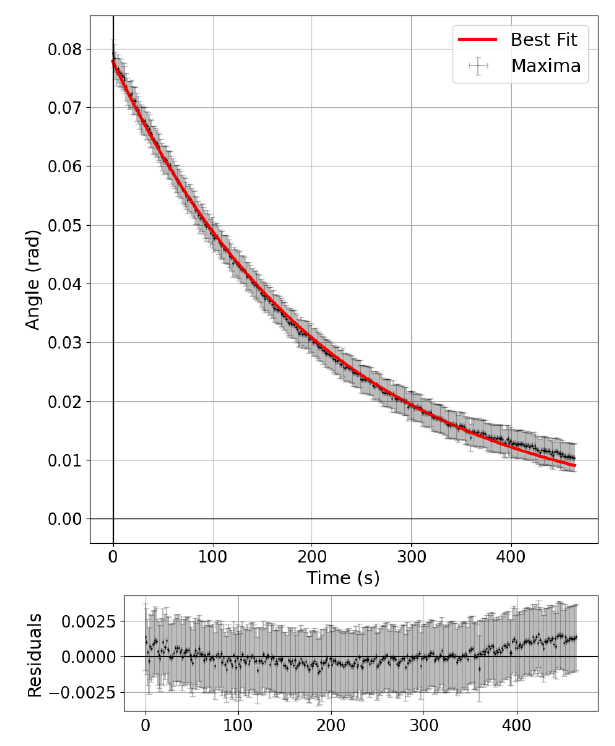
- Conducted controlled measurements to research key pendulum relationships: Period vs Angle, Period vs Length, and Q-factor vs Length. Designed and fabricated a custom experimental apparatus to systematically investigate pendulum characteristics.
- Developed a Python-based analysis pipeline in Jupyter Notebooks to extract motion data from Tracker and quantitatively compare results with theoretical predictions. Identified and characterized deviations from standard models at large angles and with non-negligible rotational inertia, proposing a refined pendulum model to account for nonlinear and damping effects.
Bridge Design Project arrow_outward U of T CIV102 Structures and Materials Course Course Project November 2025 – November 2025 school CIV102H1 · Structures and Materials – An Introduction to Engineering Design arrow_outward
PythonNumPyMatplotlibJupyter NotebookGoogle Colab
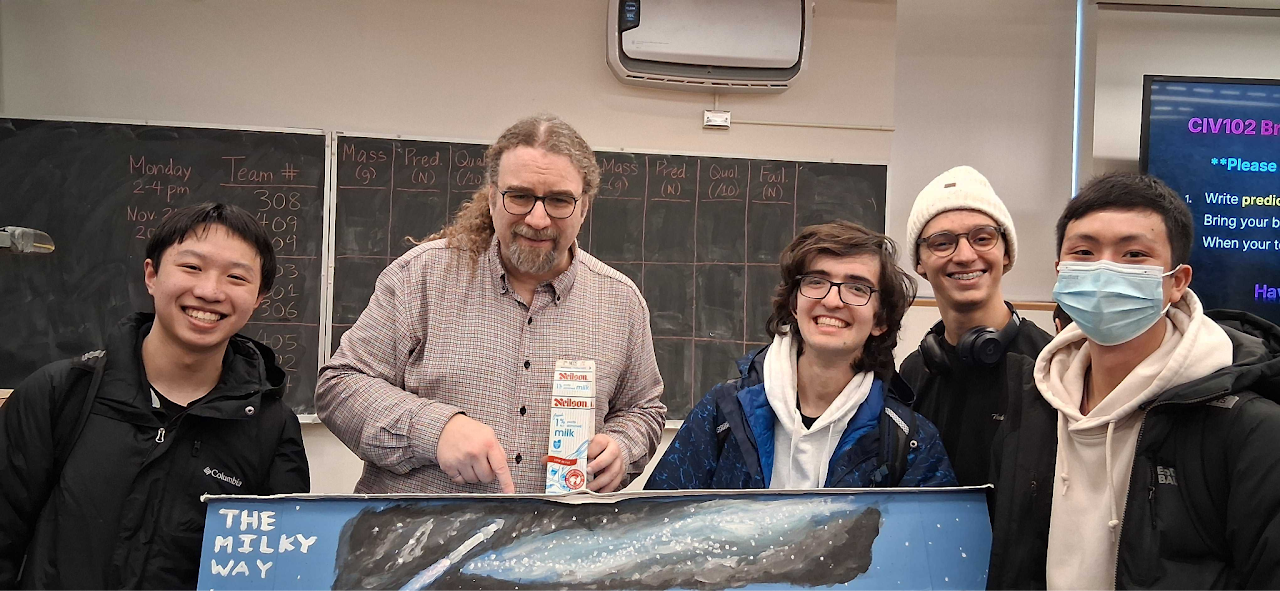
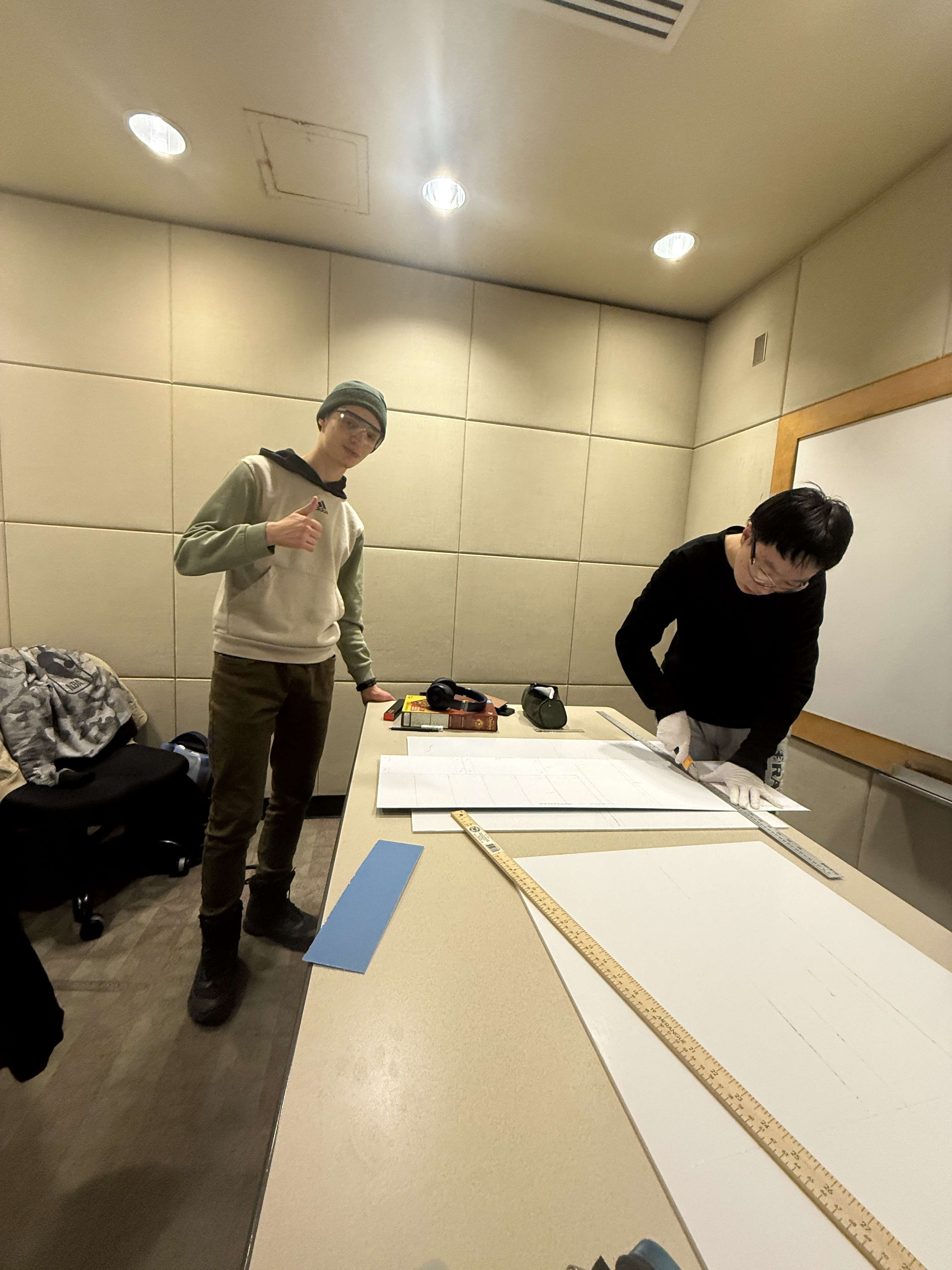
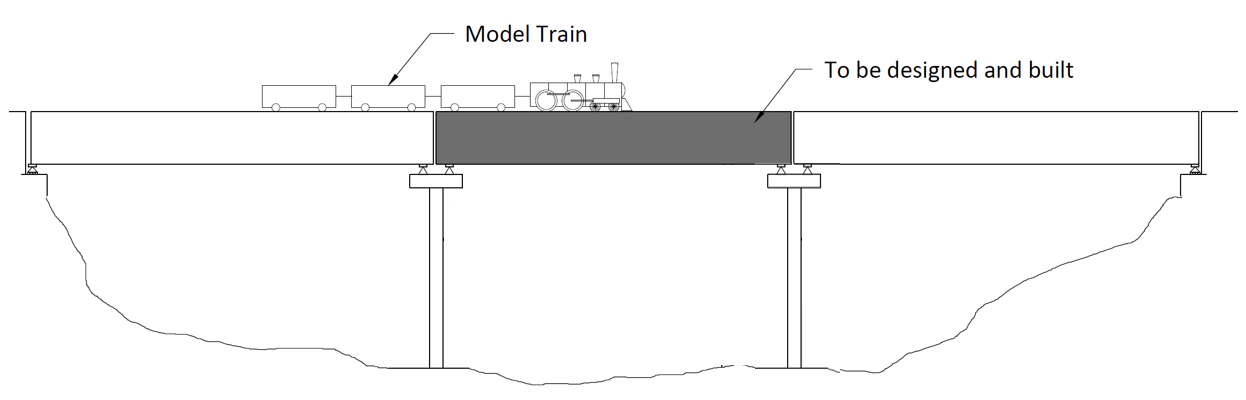
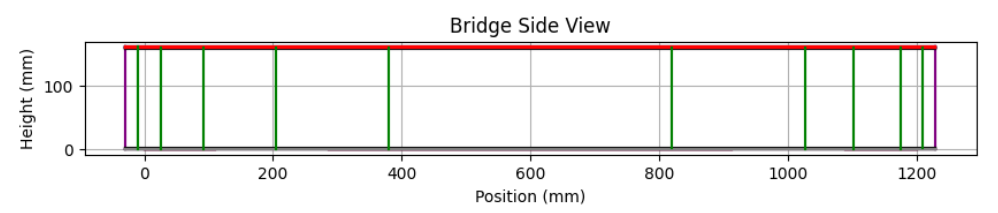
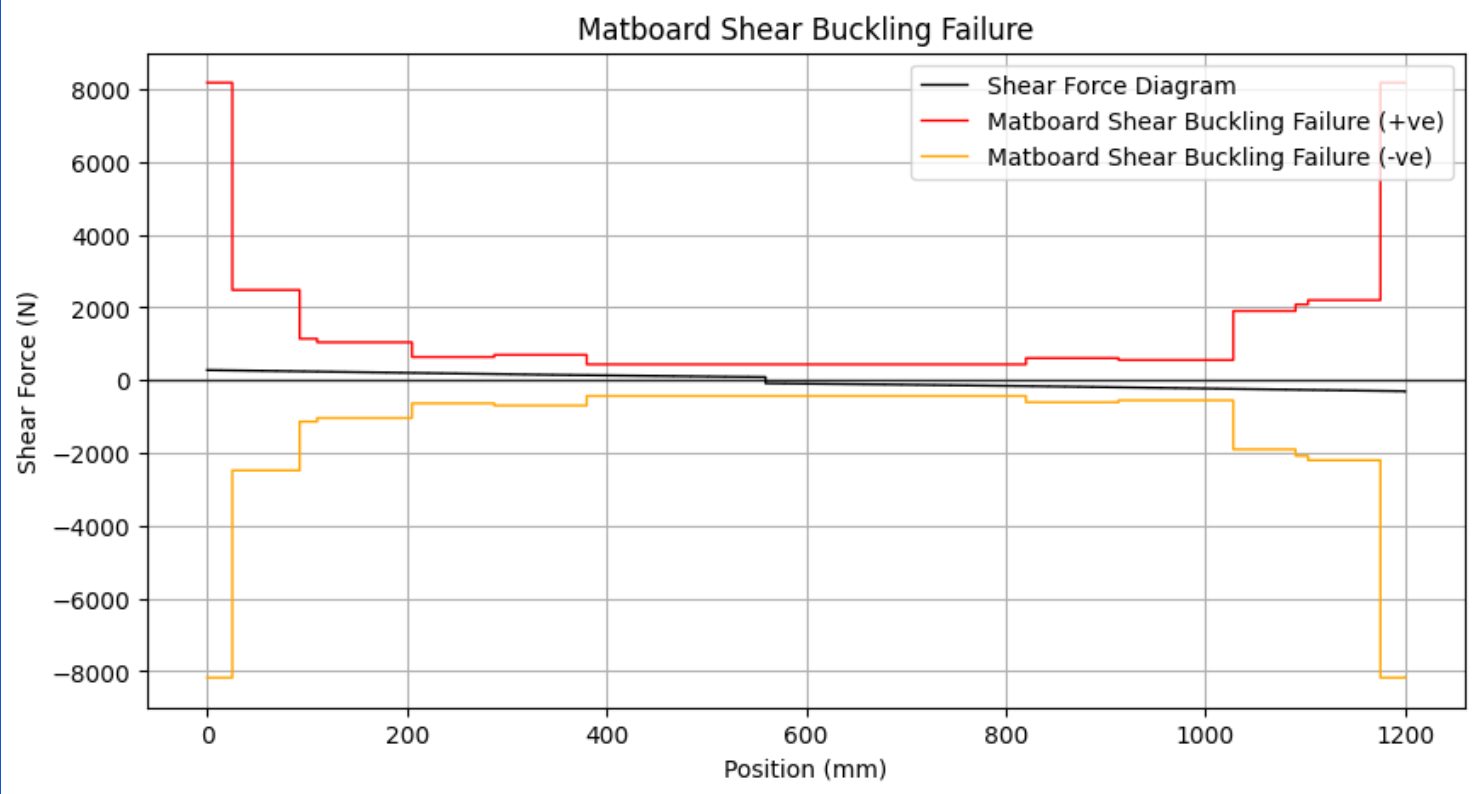
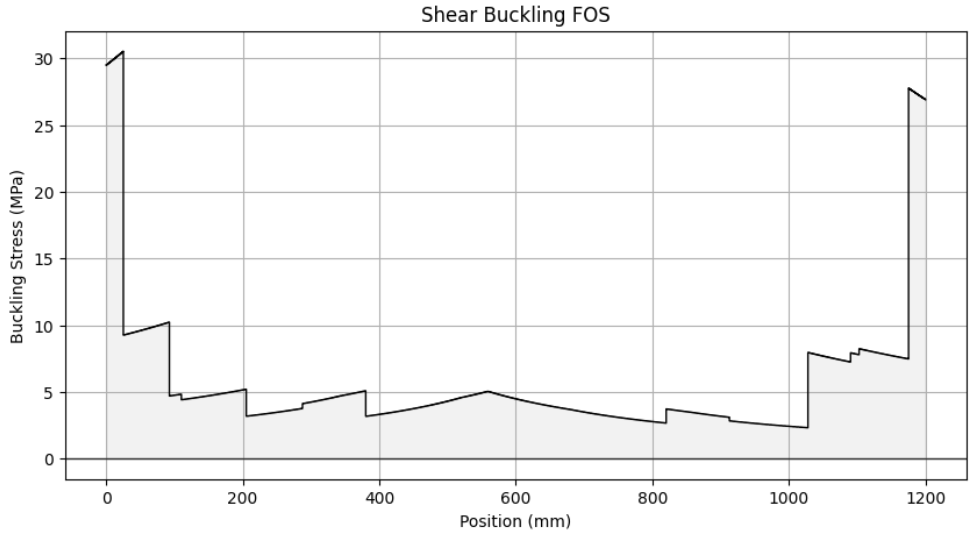
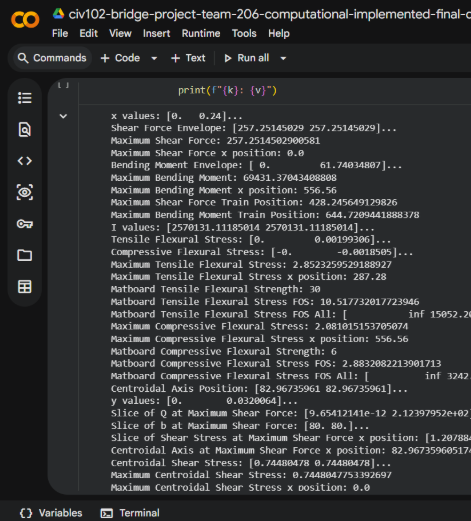
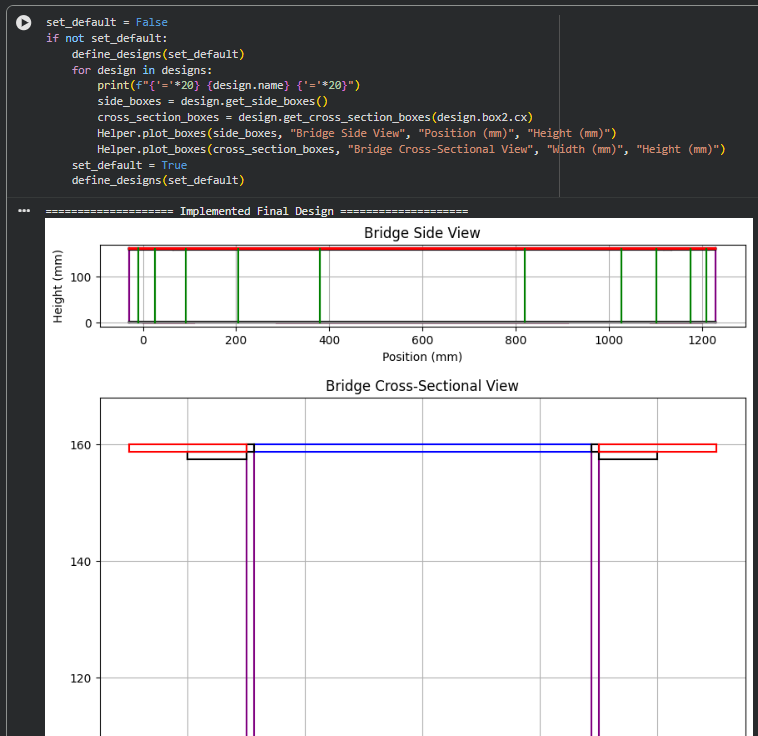
- Conducted research to identify optimal matboard box beam bridge designs using a custom Python structural analysis and simulation tool developed in Google Colab.
- Simulated loads and computed Factors of Safety (FOS) across design candidates to evaluate and compare structural performance. Validated theoretical predictions by constructing a physical matboard bridge, achieving a maximum load of 640N, exceeding the 400N baseline by 60%.
 Canadian Young Physicists' Tournament arrow_outward
 Team Schwarzschildren Physics Competition November 2022 – March 2024 emoji_events 2023 Canadian Young Physicists' Tournament (Team Schwarzschildren) - First place with Gold Medal arrow_outwardemoji_events 2024 Canadian Young Physicists' Tournament (Team Schwarzschildren_) - Bronze Medal arrow_outward
PythonMatlabMatplotlibCADAutodesk Fusion 360
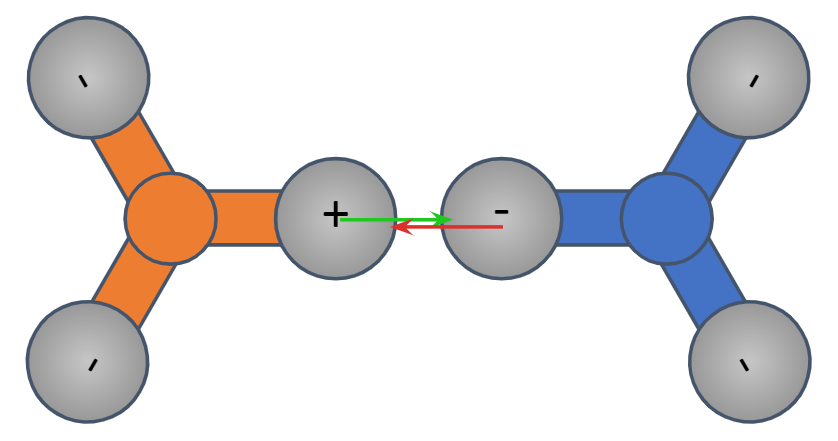
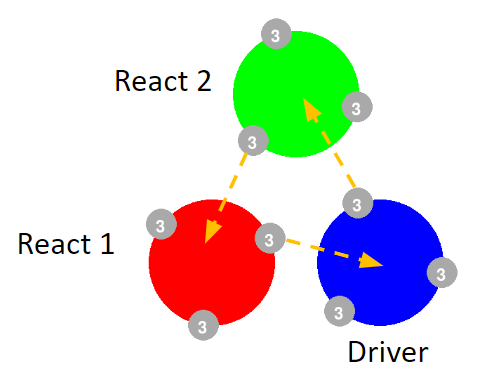
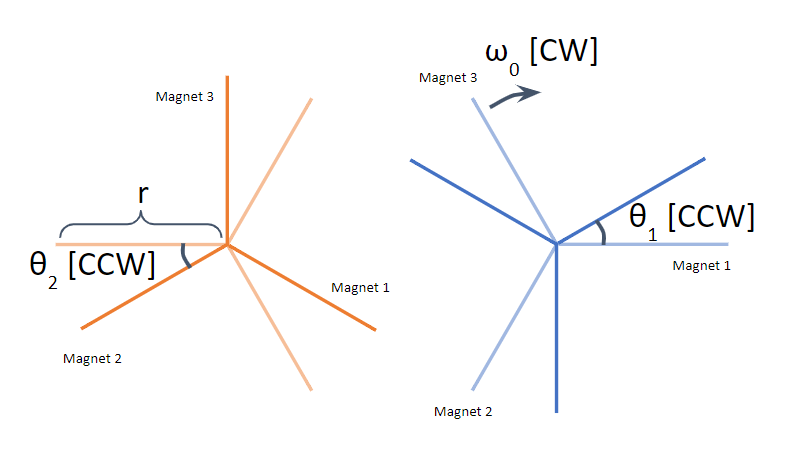
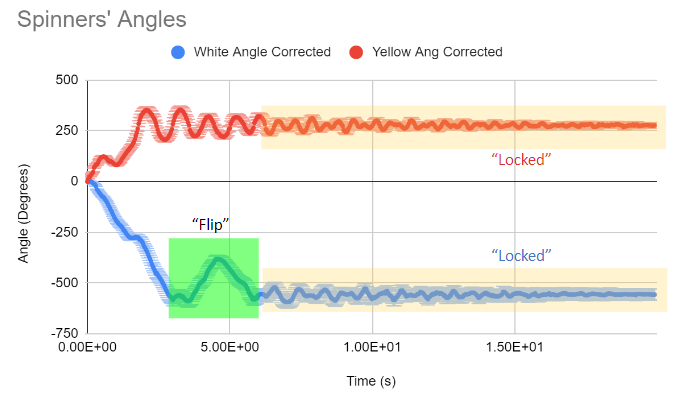
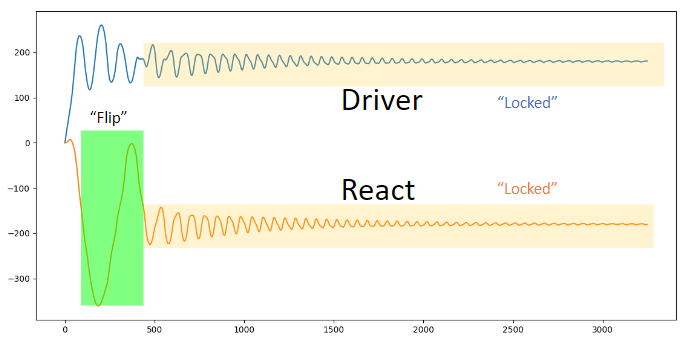
- As a senior member of team Schwarzschildren, conducted in-depth theoretical and experimental research on open-ended physics problems, winning a gold medal in 2023 and a bronze medal in 2024. Researched various physics topics including waves, acoustics, electromagnetism, collision theory, beam theory, fluid dynamics, and optics.
- Developed simulations, designed experimental setups, and collected experimental measurements; conducted data cleaning and statistical analysis, interpreting results to validate physical models using MATLAB and Python.
- Constructed research reports, presented, and defended findings in formal physics debates, demonstrating strong scientific reasoning and communication.
Modeling the Thrust Curve of a Solid Fuel Rocket Engine
International Baccalaureate Programme IB HL Math AA October 2024 – February 2025
PythonNumPyPandas
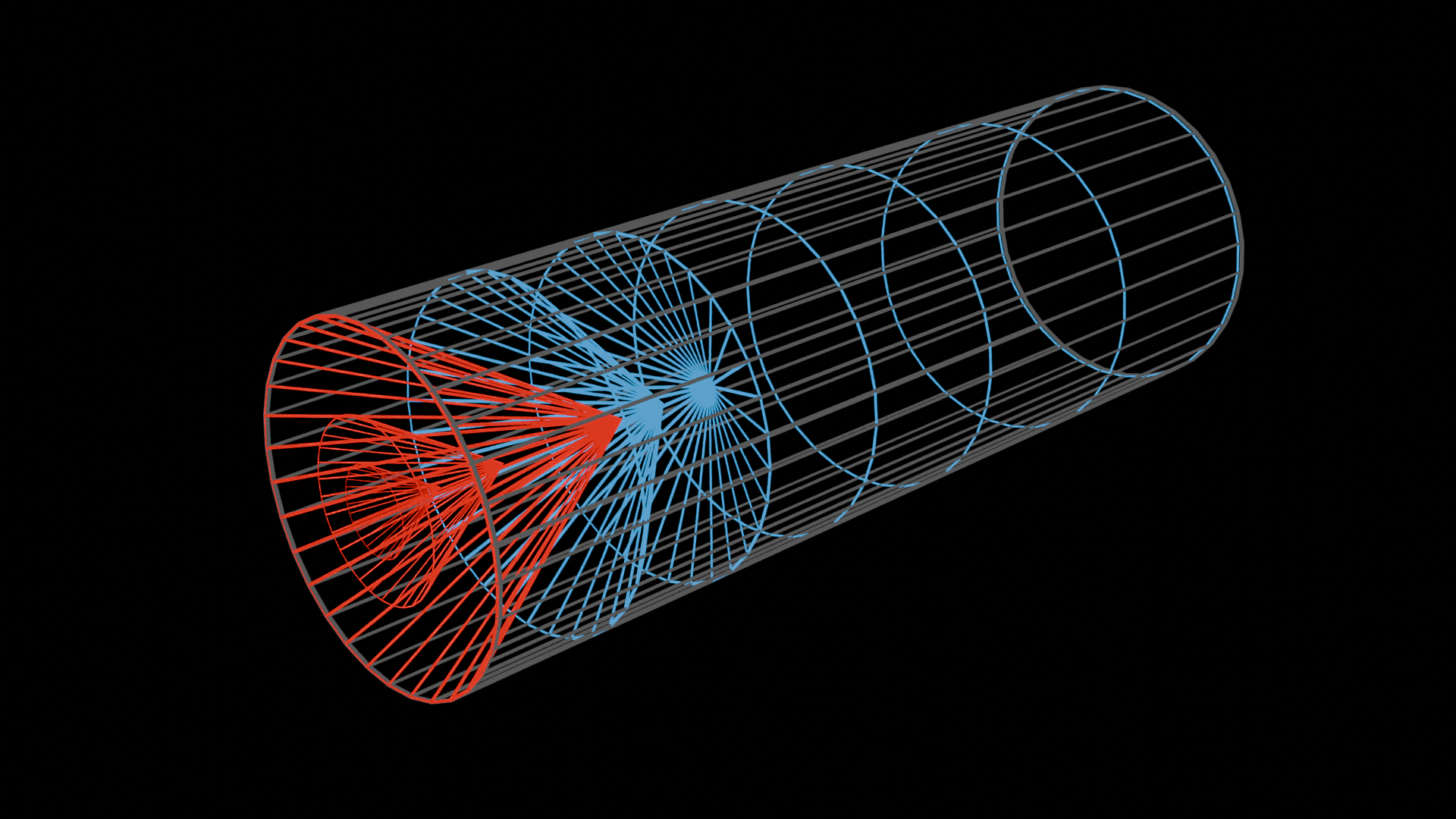
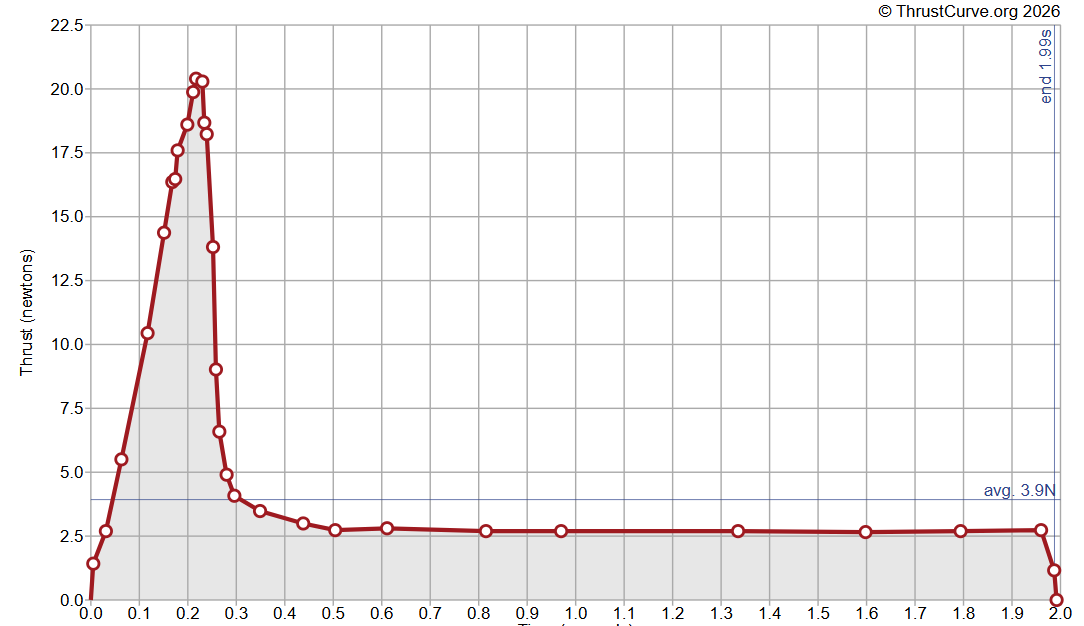
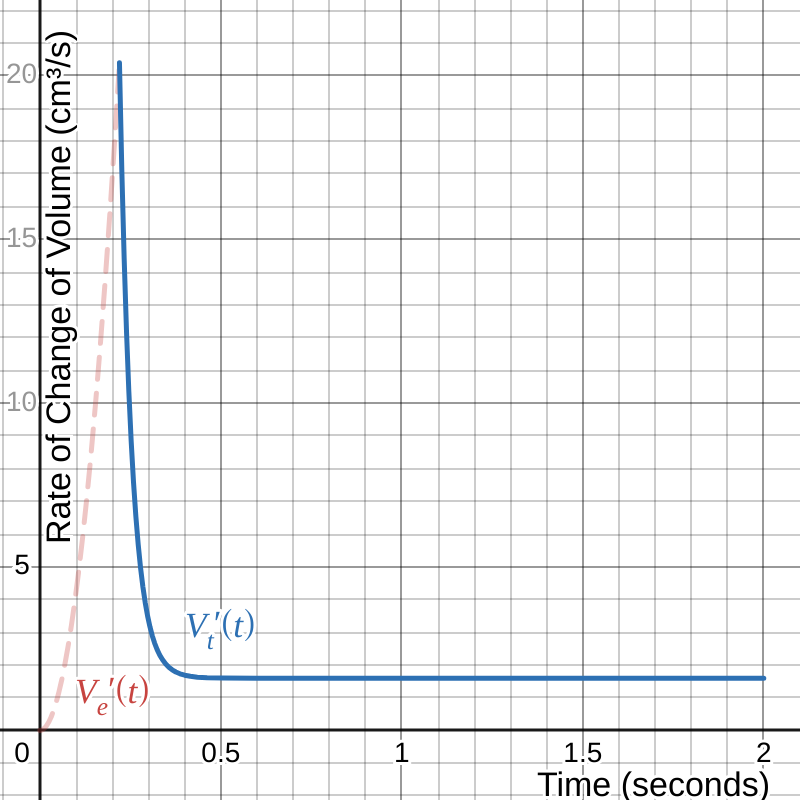
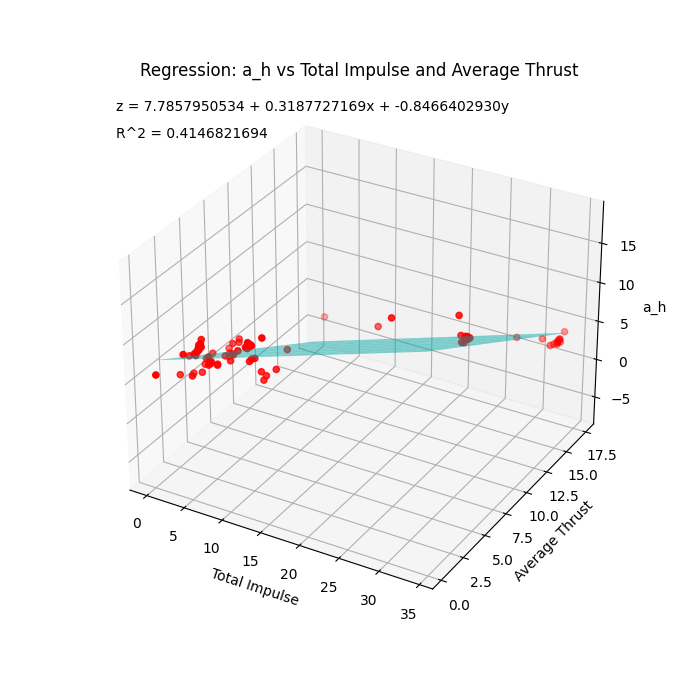
- Researched and developed a mathematical thrust-curve model for black-powder rocket engines that reflected the propagation of 3D flame-front geometry in a two phase burn. Developed a Python program that extracted rocket motor datasheet features, optimized model constants, and batch-processed CSV outputs. Achieved low median prediction errors for average thrust, maximum thrust, and tailing thrust, while identifying limitations in total impulse and burn-time predictions.
Effect of Cantilever Length on Vibration Frequency
International Baccalaureate Programme IB HL Physics October 2024 – February 2025
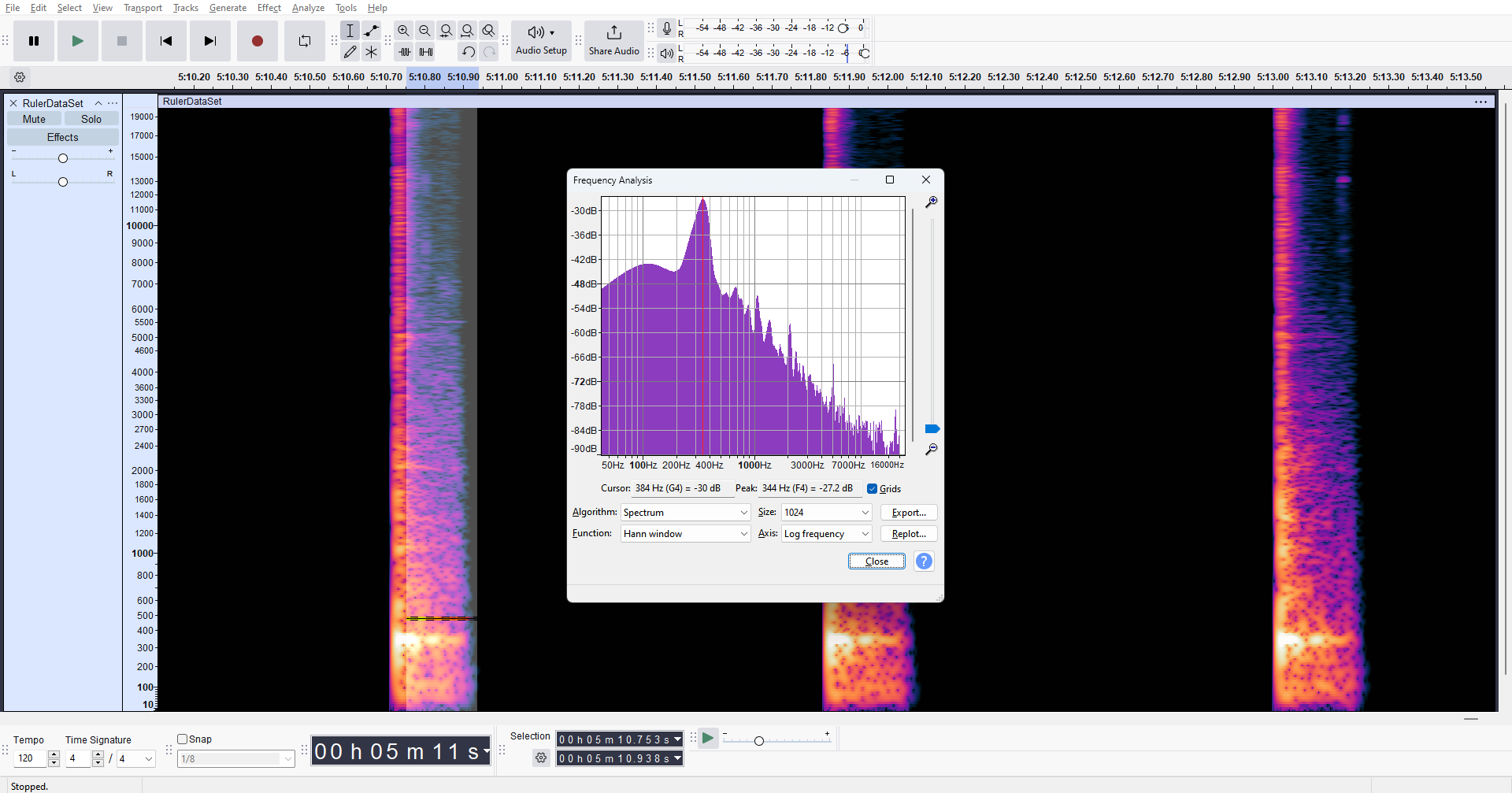
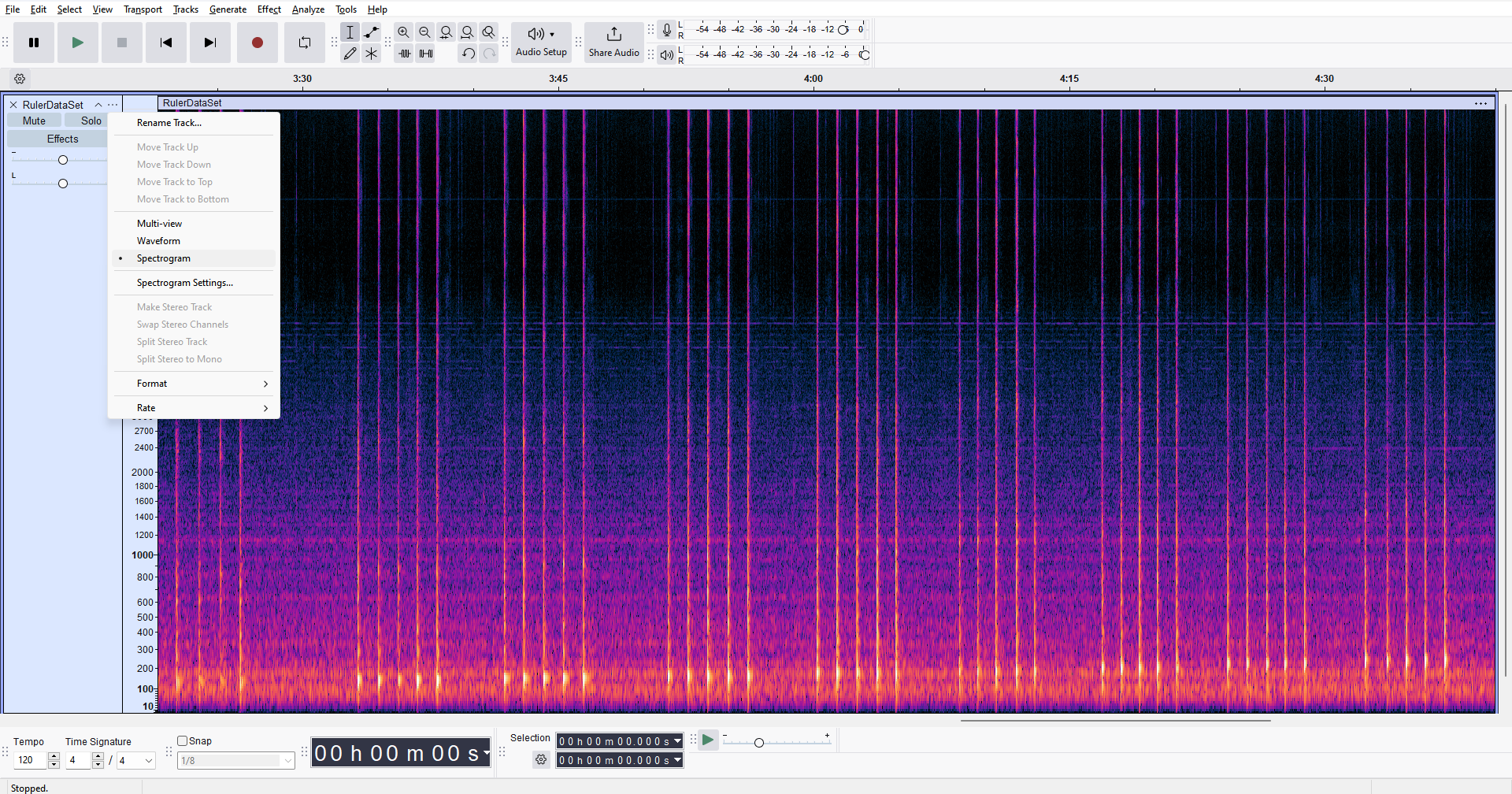
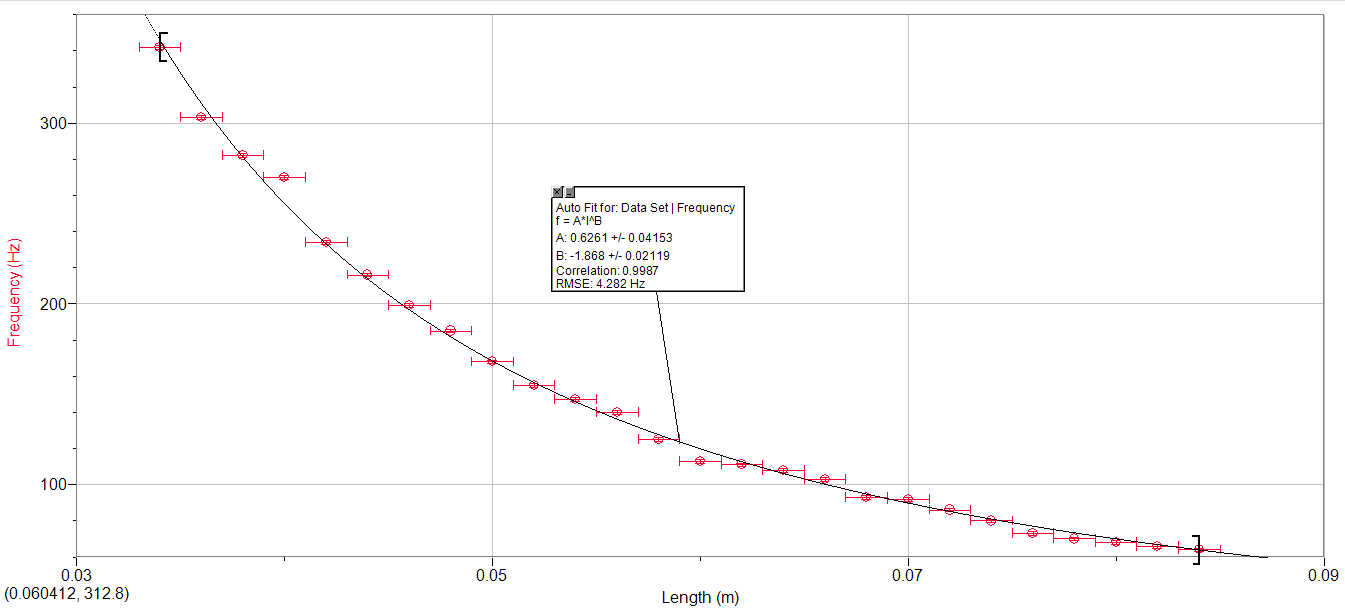
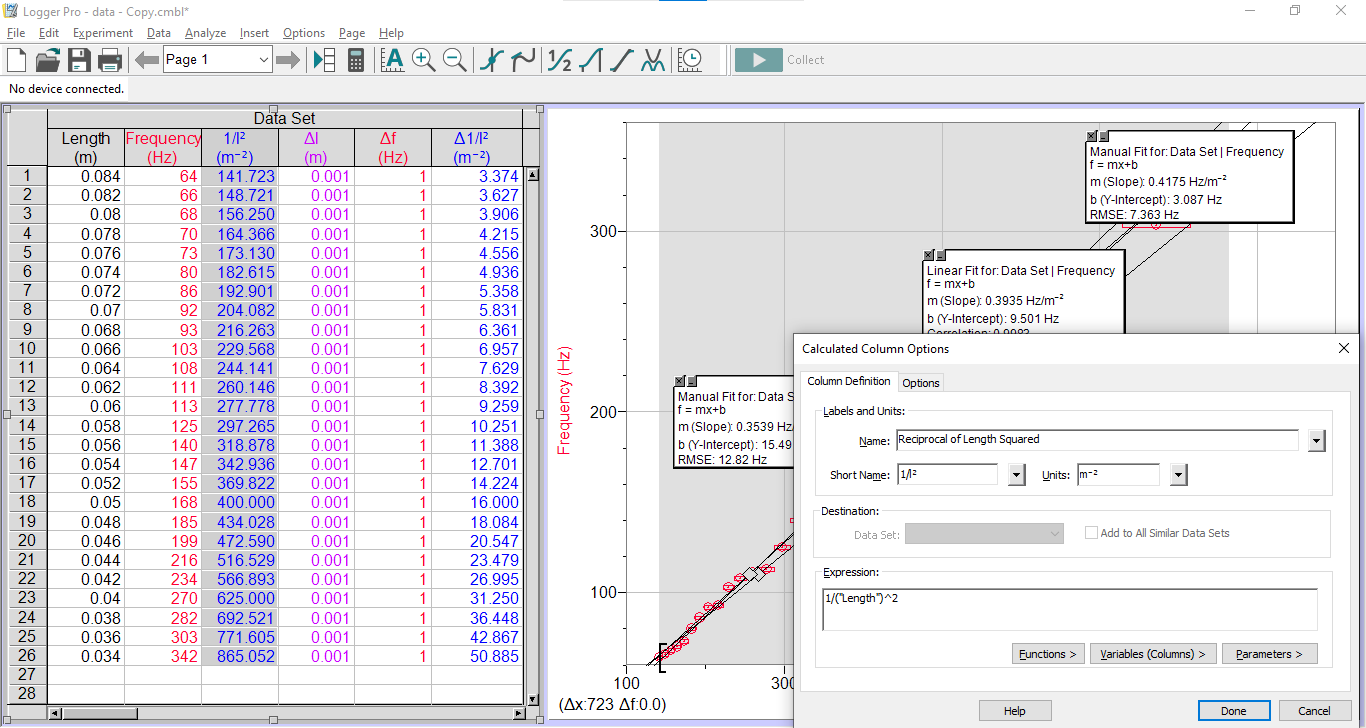
- Conducted experimental research on cantilever dynamics, testing the hypothesis that increasing length decreases stiffness and lowers natural frequency (f ∝ 1/L²).
- Analyzed sound waveforms in Audacity by applying noise gating, spectrogram analysis, and Fourier transforms, then performed curve-fitting in LoggerPro to validate the predicted inverse-square relationship.
Alcohol Combustion Enthalpy and Soot Production
International Baccalaureate Programme IB HL Chemistry October 2024 – February 2025
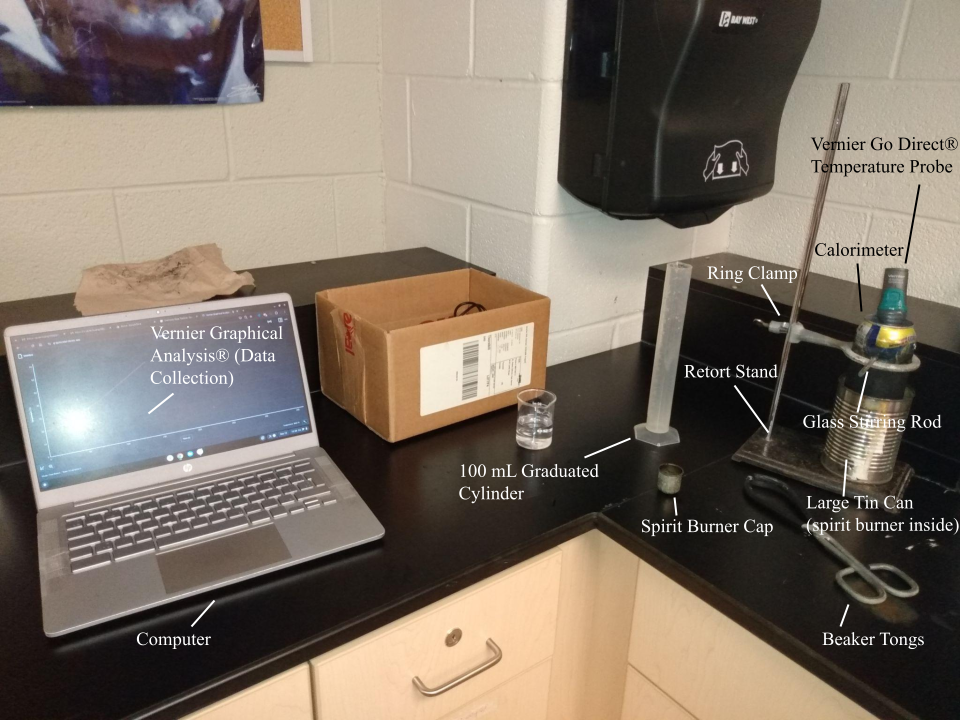
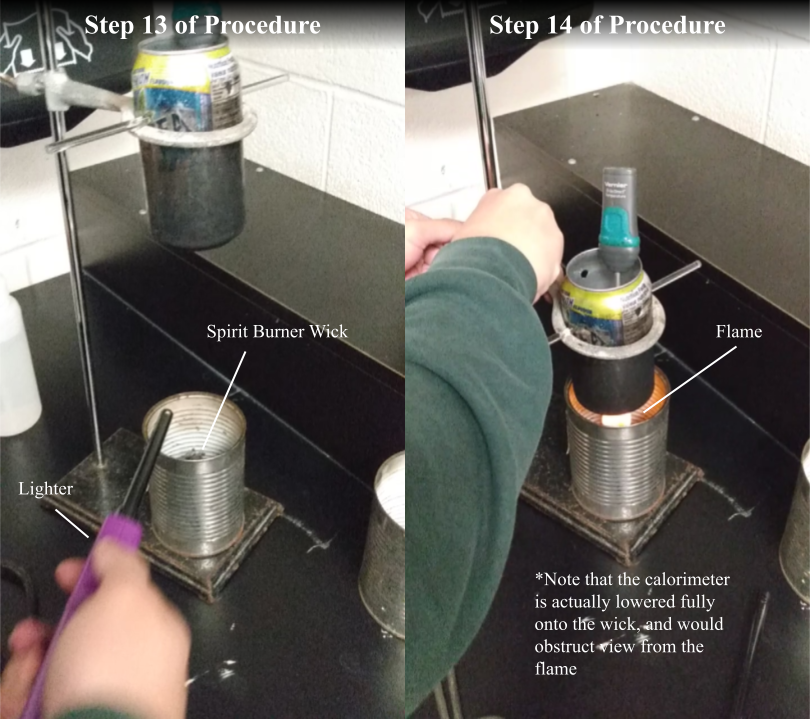
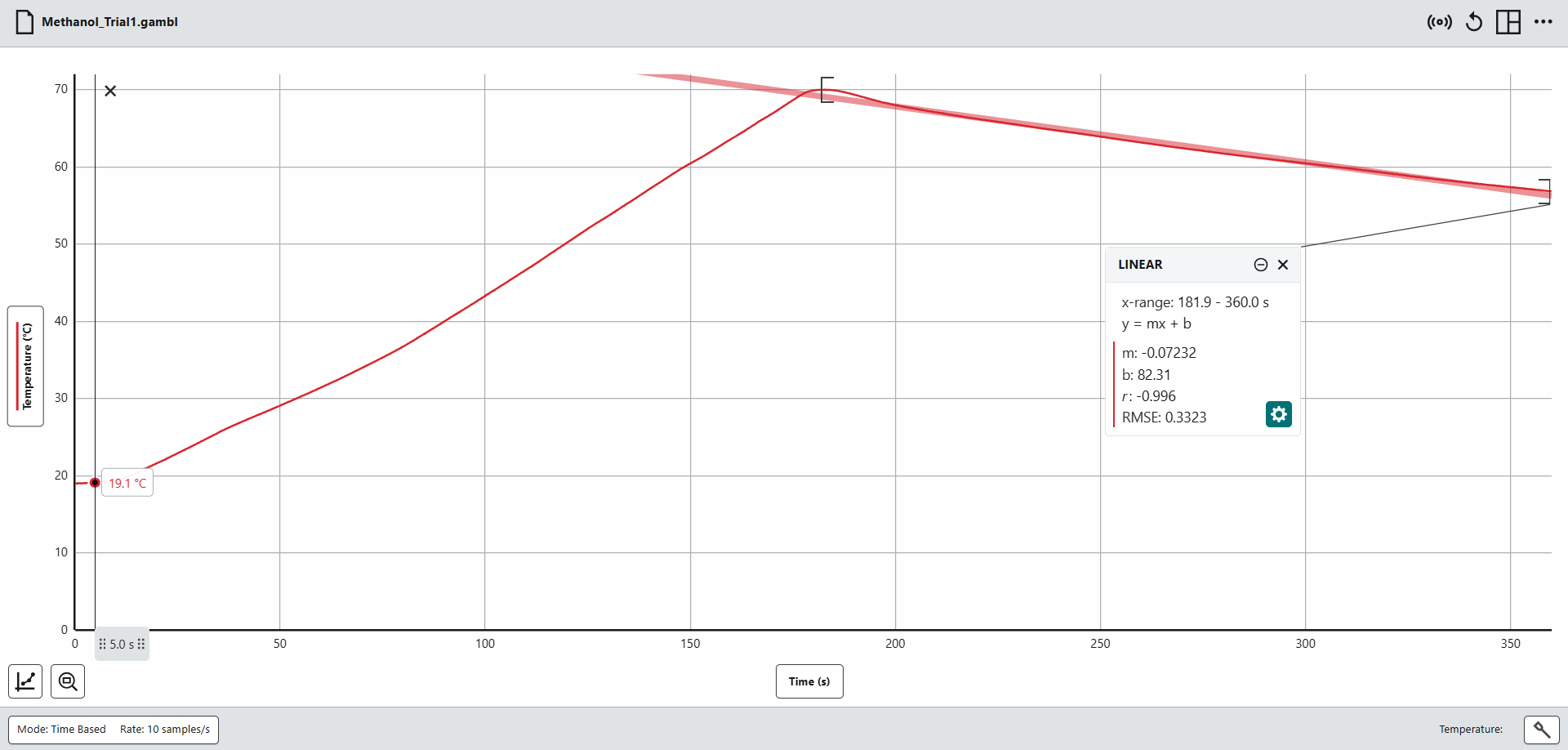
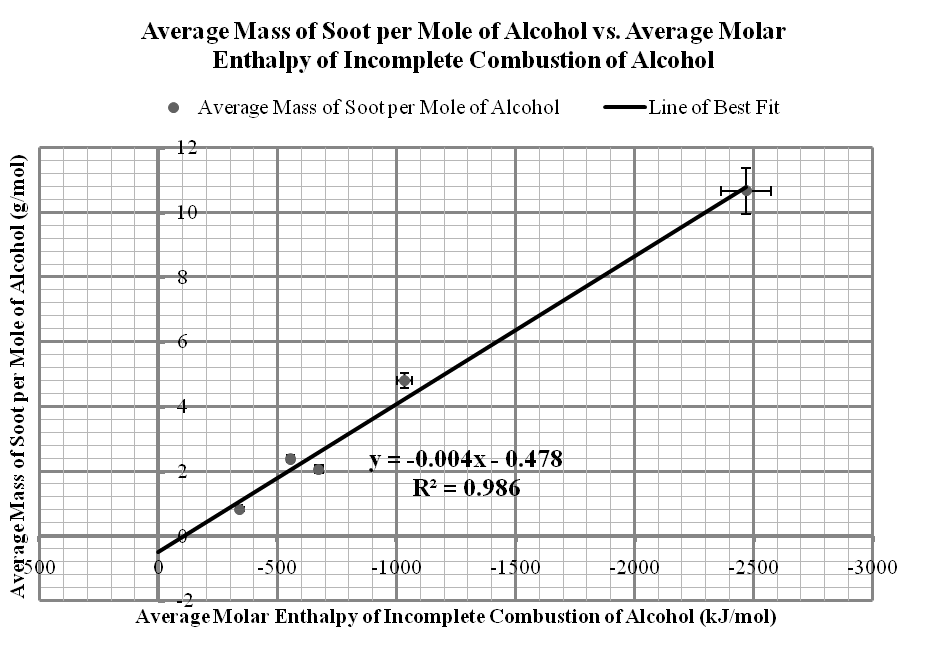
- Investigated the relationship between alcohol chain length (methanol to octanol) and soot production, testing the hypothesis that alcohols with higher molar enthalpies of incomplete combustion produce more soot.
- Designed a dual-purpose calorimetry and soot-collection experimental setup to measure heat release and capture soot under controlled airflow. Processed data with Vernier Graphical Analysis and Microsoft Excel, observing a strong linear correlation between soot mass per mole and molar enthalpy (R² = 0.986).